

At Force 4 Chandlery, we stock a carefully chosen range of marine electronics for sailing yachts, motorboats, RIBs and small craft. From navigation and communication to entertainment and safety. With a comprehensive range from trusted brands like Garmin, Raymarine, Lowrance, Simrad, B&G, Furuno, Icom, Standard Horizon, and others.






Popular products in Marine Electronics

Catalogue Code: 230180
£69.95
Save
£31.53 RRP
£101.48
Available In-store to call & collect
Available to buy online

Catalogue Code: 220466
£249.95
Save
£44.04 RRP
£293.99
Available In-store to call & collect
Available to buy online

Catalogue Code: 230562
£15.95
Save
£0.62 RRP
£16.57
Available In-store to call & collect
Available to buy online

Catalogue Code: 230532
£3.95
Available In-store to call & collect
Available to buy online

Catalogue Code: M-EW-Y200-MS
£149.95
Save
£0.04 RRP
£149.99
Available In-store to call & collect
Available to buy online

Catalogue Code: NAV+UKR
£149.95
Save
£0.04 RRP
£149.99
Available In-store to call & collect
Available to buy online

Catalogue Code: 240078
£119.95
Save
£20.04 RRP
£139.99
Available In-store to call & collect
Available to buy online

Catalogue Code: 350211
£299.95
Save
£300.04 RRP
£599.99
Available In-store to call & collect
Available to buy online
Catalogue Code: 200646
£59.00
Available In-store to call & collect
Available to buy online

Catalogue Code: 220658
£2,199.95
Save
£430.04 RRP
£2,629.99
Available In-store to call & collect
Available to buy online

Catalogue Code: 200567
£319.95
Save
£70.04 RRP
£389.99
Available In-store to call & collect
Available to buy online
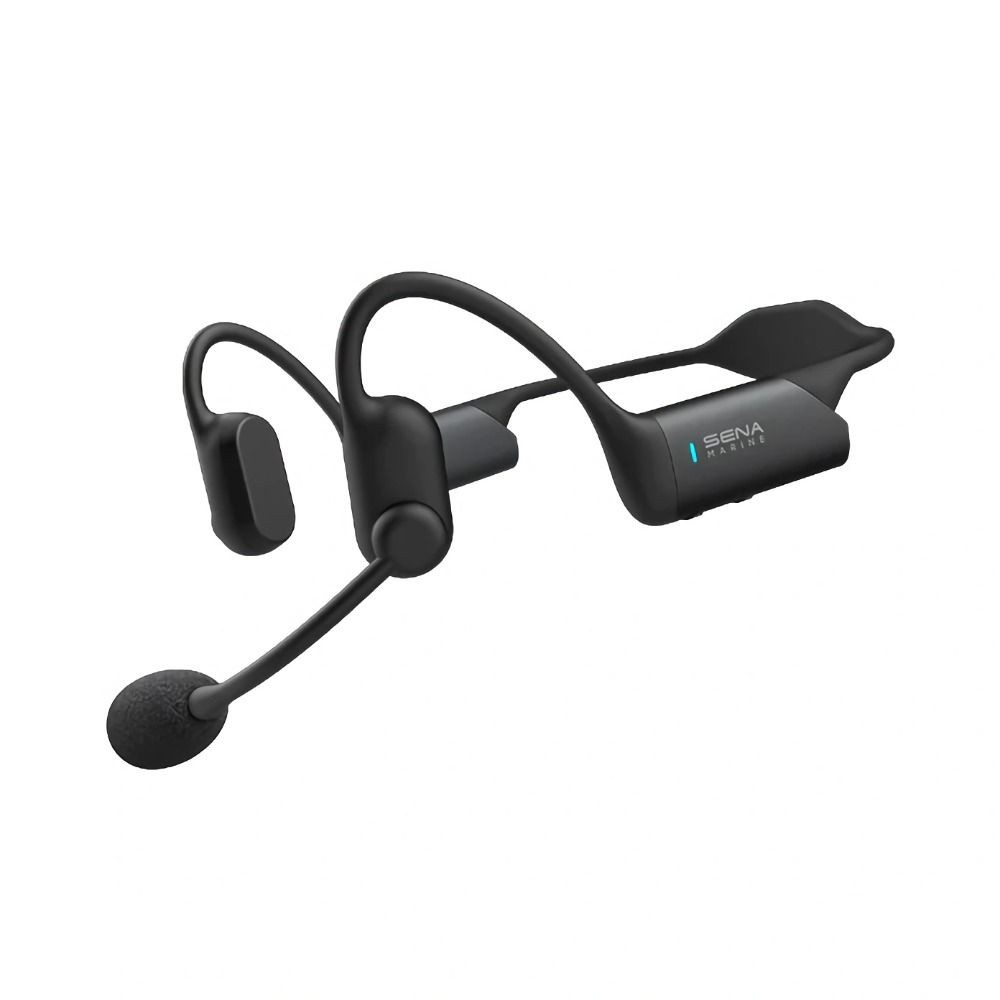
Catalogue Code: 200675
£249.95
Available In-store to call & collect
Available to buy online

Catalogue Code: 210675
£374.95
Save
£62.04 RRP
£436.99
Available In-store to call & collect
Available to buy online

Catalogue Code: 210662
£529.95
Save
£165.05 RRP
£695.00
Available In-store to call & collect
Available to buy online

Catalogue Code: 200528
£179.95
Save
£34.00 RRP
£213.95
Available In-store to call & collect
Available to buy online
Marine Electronics FAQ
What marine electronics do Force 4 stock, and how do they fit together onboard?
Force 4’s Marine Electronics department covers every major system you rely on afloat. Navigation is supported by Chartplotters, Fish Finders and Multifunction Displays from leading brands like B&G, Garmin, Lowrance and Raymarine.
These can be enhanced with electronic charts from C-Map and Navionics to give you the best detail for navigation.
Communication is handled through Fixed and Handheld VHF radios, AIS transponders and receivers, antennas, splitters, and external speakers.
For performance data, our Instrument Systems deliver depth, speed, wind, and heading information. Options range from standalone units to full packs you can add to your navigation network.
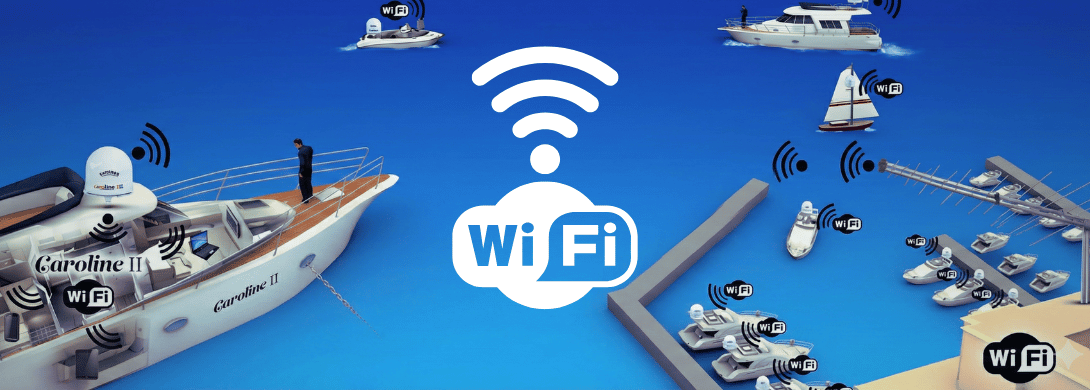
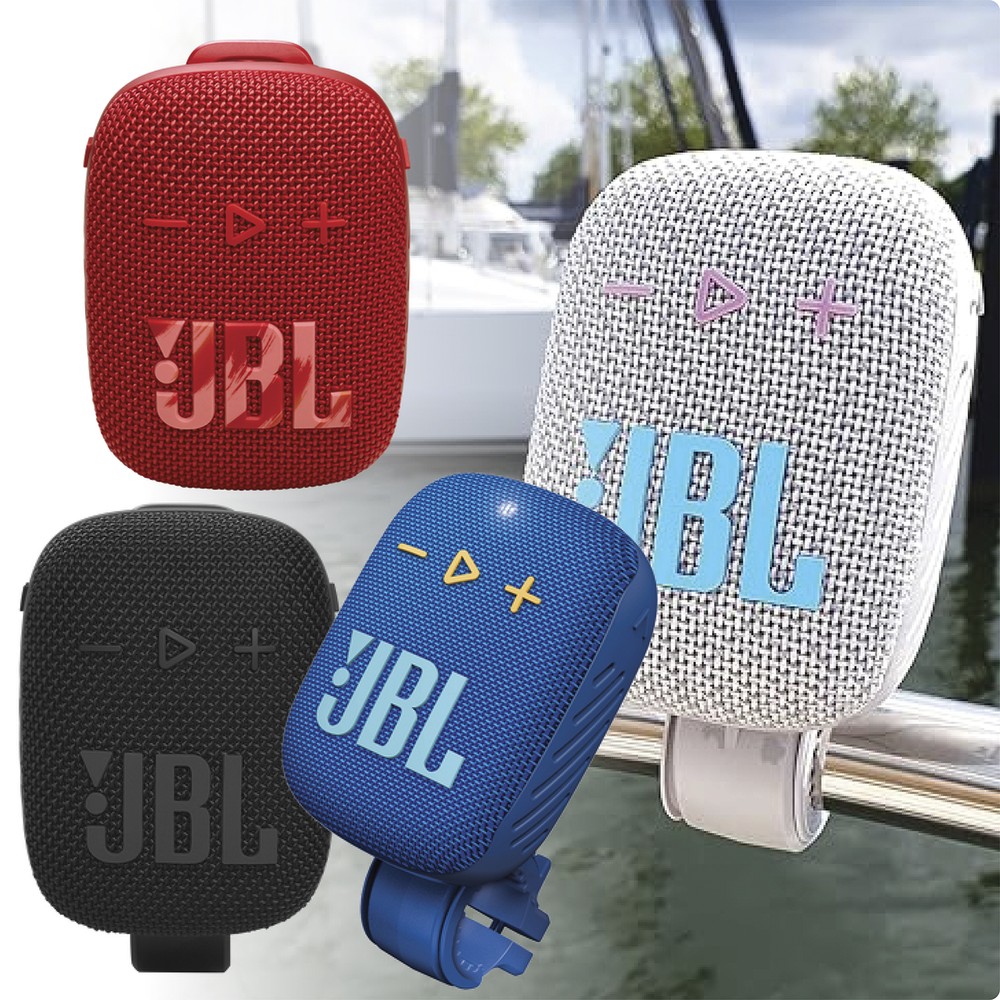
Comfort and entertainment onboard are covered by Marine Audio Systems, including speakers, subwoofers, amplifiers, and head units. Connectivity is boosted with onboard WiFi solutions, while autopilots and tillerpilots help maintain course on longer passages.
What’s the difference between a chartplotter and a fishfinder?
A chartplotter is primarily a navigation tool. It uses GPS positioning and electronic charts to show your location, plan routes, mark waypoints and identify hazards. For cruising, coastal sailing and passage planning, a chartplotter gives you a clear, real-time view of where you are and where you’re going. They can often be expanded to integrate radar, AIS, autopilot and onboard instruments.
A fishfinder focuses on what’s happening beneath the boat. Using sonar and a connected transducer, it displays depth, seabed structure, contours and fish targets. Dedicated fishfinders are especially popular with anglers and fishermen. They often offer more advanced sonar features, clearer target separation and higher refresh rates when scanning the seabed.
Many modern displays are chartplotter & sounder combination units, bringing both navigation and sonar into a single screen. Even for boaters who don’t fish, a combo unit can be a smart choice. Having depth data and seabed detail are invaluable for anchoring, exploring shallow waters and building confidence in unfamiliar areas. These units are also ideal where helm space is limited or where a cleaner, integrated setup is preferred.
What is AIS and do I really need it on my boat?
AIS (Automatic Identification System) allows you to "see and be seen" by broadcasting your position and receiving the data of nearby vessels on your Chartplotter. While AIS Receivers let you see others, an AIS Transponder both receives data and broadcasts your own vessel data and heading. AIS highly recommended for anyone crossing shipping lanes or sailing at night, as it ensures larger ships are aware of your presence.
What's the difference between handheld and fixed VHF radios?
A fixed VHF is your main line of communication at sea: it’s permanently wired in. They use an external antenna for maximum height, and transmits at up to 25W, giving you far greater range and clarity. Most fixed sets also include DSC for one‑button distress alerts, plus options like second‑station mics for larger boats. For cruising, coastal passages, and offshore work, a fixed VHF is the reliable, everyday workhorse you want at the helm.
A handheld VHF is all about portability. With its own battery and a typical 5–6W output, it’s ideal for short‑range comms, tenders, kayaks, paddleboards or race crews. They are also vital backup and essential addition to your emergency grab bag. Many modern handhelds now include GPS and DSC, making them far more capable than older models.
Most skippers choose both. The fixed unit gives you power, range, and safety features; the handheld covers you if you lose ship’s power, need comms away from the helm, or want a second radio for crew.
It’s a simple combination that offers the best coverage across everyday boating, emergencies, and small‑craft use.
How do I choose the right Electronic Charts for my plotter?
Choosing electronic charts starts with compatibility. Chartplotters are designed to work with specific chart brands and formats, and not all charts will work on all displays.
Most Garmin chartplotters use Garmin Navionics+ or Garmin Navionics Vision+ charts; older models might use Garmin Bluechart charts. Many Lowrance, B&G and Simrad units support C-MAP and Navionics charts. Raymarine chartplotters are optimised for LightHouse Charts, though some models also support Navionics. Always check your plotter model before purchasing, as compatibility can vary between generations.
Card format matters too. The majority of modern charts are supplied on microSD, but some older units require full-size SD cards or even proprietary formats. A chart that’s correct in brand and coverage won’t work if the physical card doesn’t match your slot.
Coverage is the final piece. Choose a chart that includes your cruising grounds with the level of detail you need—harbour plans, tidal data, depth shading, and relief imagery vary between providers. Some charts offer upgrade tiers (e.g., Navionics Platinum+ or C-Map Reveal) with extra layers for anglers, divers, or detailed coastal exploration.
If you’re unsure, the simplest approach is to confirm your plotter make and model and contact us. We'll help point you in the right direction.
Can I network different brands of electronics together?
Most modern marine electronics use the NMEA 2000 standard, which allows different brands to "talk" to each other over a single backbone cable.
However, proprietary features (like Radar overlay or specific sonar sharing) often work best when staying within the same ecosystem (e.g., all Garmin or all Raymarine).
We stock a full range of Cables and Accessories to help you build your onboard network.