

From inflatable dinghies and launching trollies to trailer winches, pumps, paddle boards and tow sports equipment. Our Inflatable Boats, Trailer Accessories & Water Sports department brings everything together in one place. Whether you’re heading out for serious cruising or family fun, you’ll find reliable equipment built to perform.





Popular products in Inflatable Boats, Trailer Accessories & Water Sports

Catalogue Code: 630180-90
£36.95
Save
£10.00 RRP
£46.95
Available In-store to call & collect
Available to buy online

Catalogue Code: 630626
£14.95
Save
£2.00 RRP
£16.95
Available In-store to call & collect
Available to buy online

Catalogue Code: 630068
£59.95
Save
£29.50 RRP
£89.45
Available In-store to call & collect
Available to buy online
Catalogue Code: 610097
£564.95
Save
£41.05 RRP
£606.00
Available In-store to call & collect
Available to buy online

Catalogue Code: 630460
£10.75
Save
£0.18 RRP
£10.93
Available In-store to call & collect
Available to buy online

Catalogue Code: 630742
£119.95
Save
£40.00 RRP
£159.95
Available In-store to call & collect
Available to buy online

Catalogue Code: 630199
£36.95
Available In-store to call & collect
Available to buy online

Catalogue Code: 630433
£15.95
Available In-store to call & collect
Available to buy online
Catalogue Code: 650170
£34.95
Available In-store to call & collect
Available to buy online

Catalogue Code: M870357
£7.95
Save
£2.80 RRP
£10.75
Available In-store to call & collect
Available to buy online

Catalogue Code: 630005
£17.95
Save
£7.00 RRP
£24.95
Available In-store to call & collect
Available to buy online

Catalogue Code: M630075
£2.95
Available In-store to call & collect
Available to buy online

Catalogue Code: M630250
£7.95
Available In-store to call & collect
Available to buy online
Catalogue Code: 650163
£179.95
Available In-store to call & collect
Available to buy online

Catalogue Code: 650148
£124.95
Save
£15.04 RRP
£139.99
Available In-store to call & collect
Available to buy online

Catalogue Code: 990114
£9.95
Available In-store to call & collect
Available to buy online

Catalogue Code: 610096
£579.95
Available In-store to call & collect
Available to buy online
Inflatable Boats, Trailer Accessories & Water Sports FAQ
What can I find in the Inflatable Boats, Trailer Accessories & Water Sports department?
This department brings together everything you need for launching, towing, maintaining and enjoying your inflatable boat or water sports equipment.
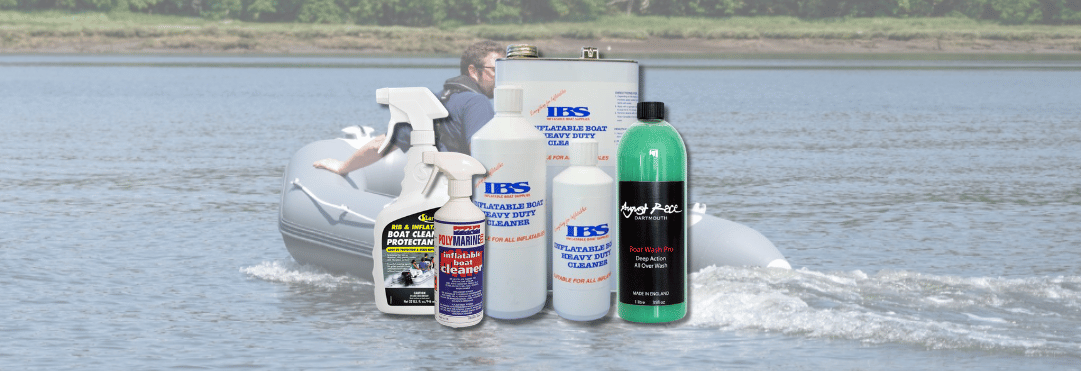
Our Inflatable Boats & Tenders range includes everything from lightweight Slatted Floor Dinghies—ideal for quick ship-to-shore hops—to Air Deck Floor models that offer increased stability and plane easily. To keep your craft in top shape, we supply specialized Inflatable Boat Cleaners and Repair Kits.
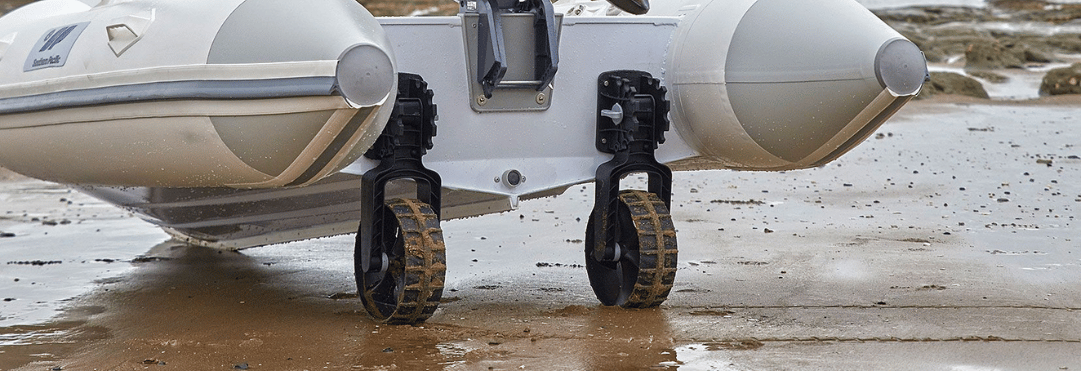
We also carry essential accessories such as Oars & Rowlocks, Air Pumps & Inflators and Repair Kits. For easier launching and recovery, explore Dinghy Wheels & Davits.
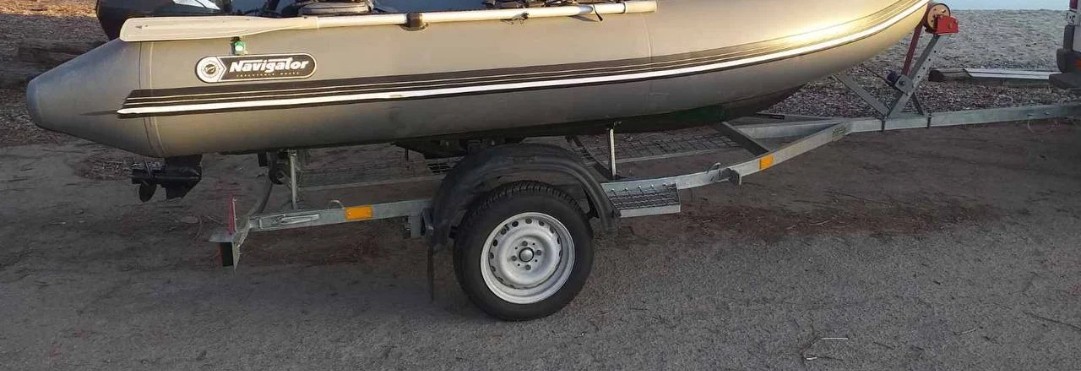
For towing and transport, our Trailers & Accessories range covers everything needed for safe launching and recovery.
Keep control during launch with Trailer Winches & Straps, and stay road-legal with reliable Trailer Boards & Electrics. Secure your load using heavy-duty Tie Down Straps, and maintain smooth towing with quality Trailer Bearing Kits and Towballs & Towing Accessories.
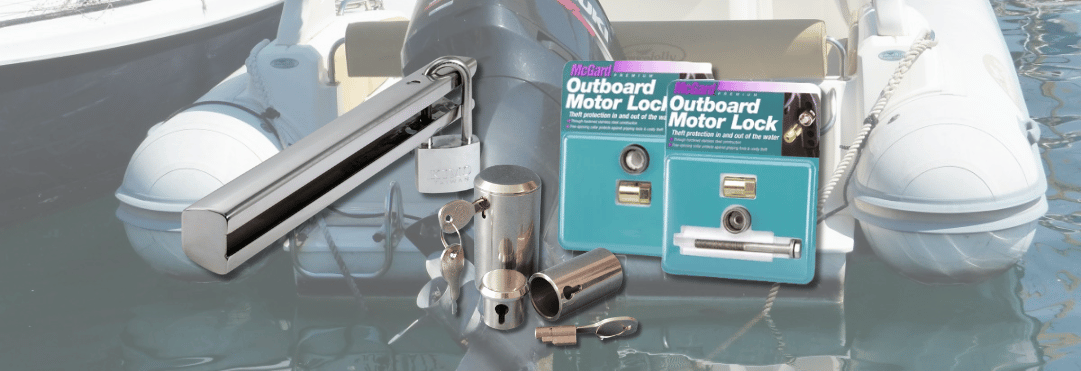
For added protection when your trailer is stored or unattended, we also stock robust security options including Locks & Wheel Clamps.
If you’re heading out for fun on the water, our Watersports collection has you covered.
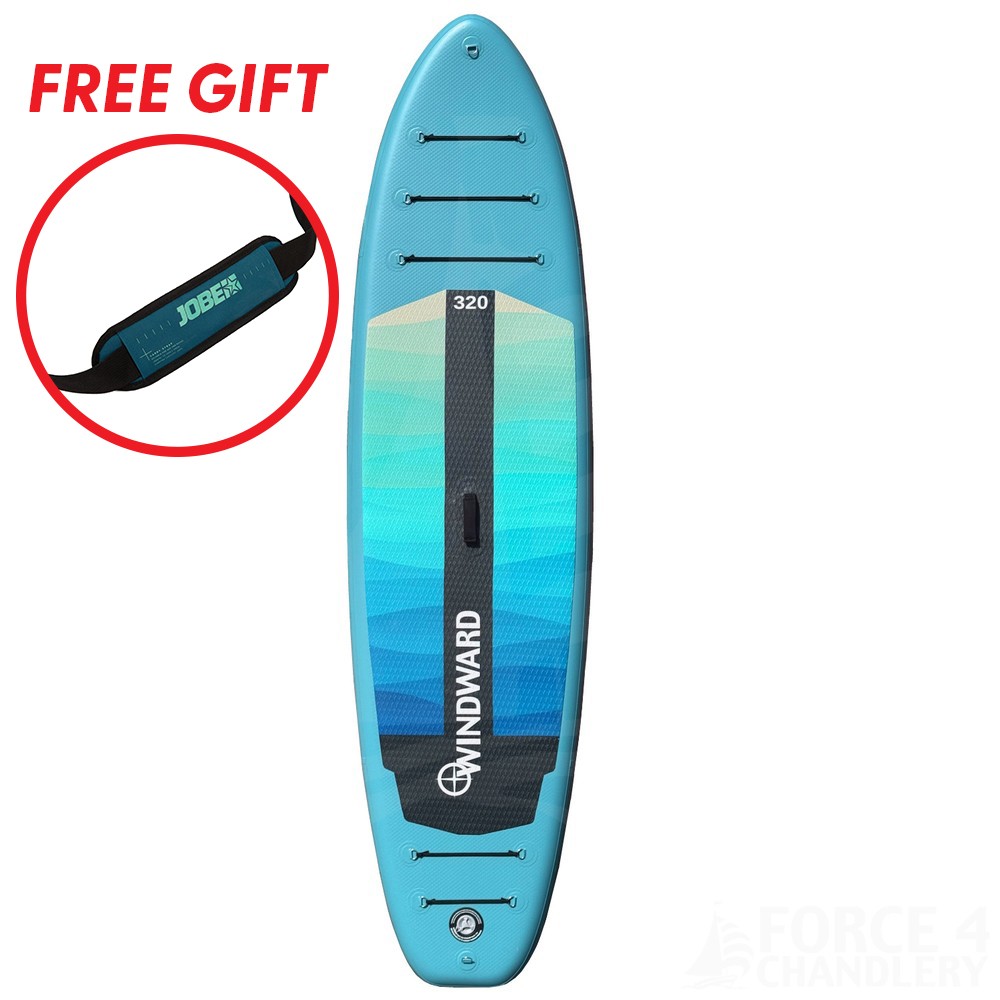
Choose from Inflatable Kayaks and Stand-up Paddle Boards for easy days afloat. Ramp up the excitement with Ski Tubes and Toys or Wakeboards and Water Skis. And with Buoyancy Aids plus a full suite of Kayak & SUP Accessories, you can head out fully prepared.
What’s the difference between slatted floor and air deck inflatable dinghies?
Inflatable dinghies now come in several floor and hull designs, each suited to different types of boating.
Slatted Floor Inflatable Dinghies use removable rigid slats to provide structure underfoot. They’re lightweight, compact when packed away and ideal as occasional-use tenders for short trips ashore. Simple, practical and easy to store.
Air Deck Inflatable Dinghies feature a high-pressure inflatable floor that becomes rigid when pumped up. This creates a flatter, more stable platform with improved load carrying and better performance under outboard power. They’re a popular upgrade for cruising yachts and more regular use.
V-Hull Inflatable Boats (VIBs) take the air deck concept further by incorporating an inflatable V-shaped keel and floor. This forms a pronounced V-hull, improving tracking, handling and comfort in chop. VIB-style dinghies plane more efficiently and offer a noticeably smoother ride compared to flat-bottom designs.
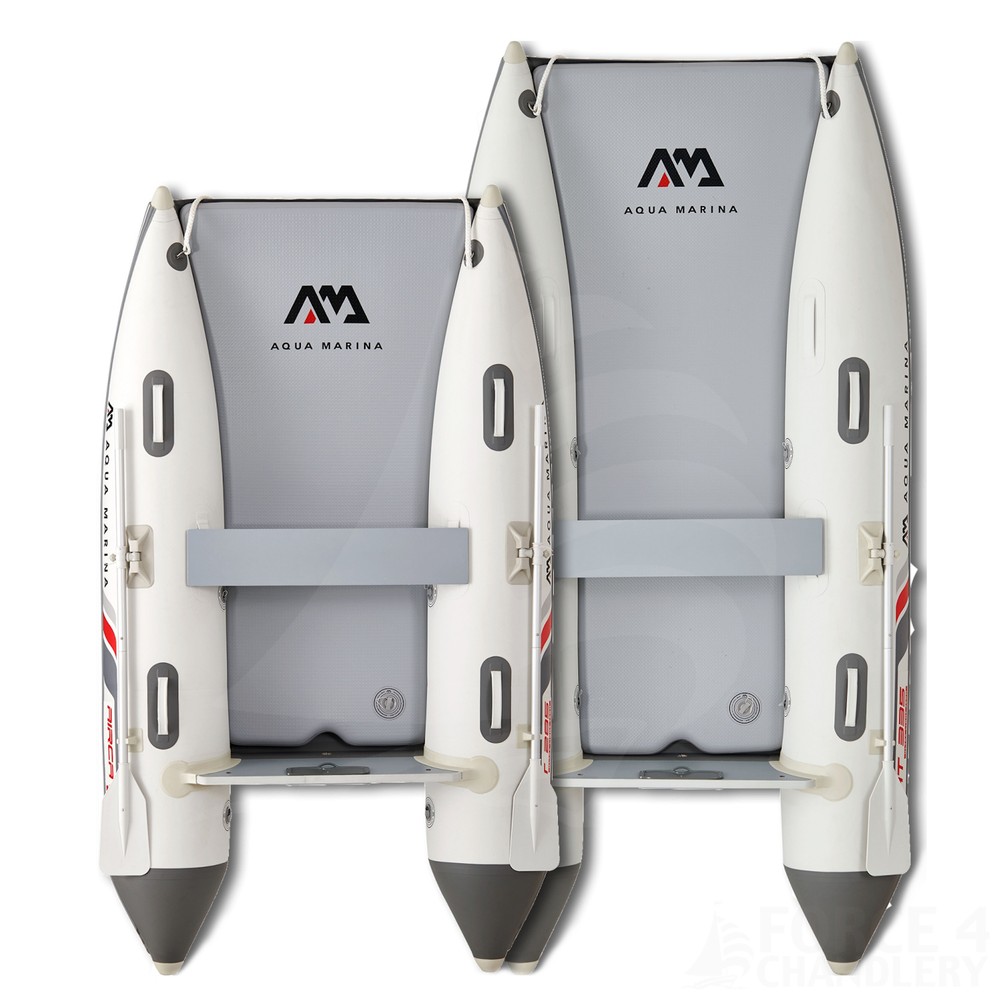
Inflatable Catamaran Dinghies (AIRCAT style) use twin inflatable hulls instead of a traditional single hull. This catamaran layout increases stability, reduces drag and improves efficiency under power. They plane quickly, handle weight well and offer excellent performance while remaining lightweight and easy to pack down.
In simple terms:
- Choose Slatted Floor for lightweight, occasional use.
- Choose Air Deck for improved rigidity and everyday practicality.
- Choose VIB for better handling and rougher water performance.
- Choose AIRCAT for maximum stability and efficient planing.
How do I maintain and protect my inflatable boat?
Looking after your inflatable properly will dramatically extend its lifespan — especially in UK conditions where UV, salt and damp storage all take their toll.
Start with the basics. After every trip, rinse thoroughly with fresh water, paying attention to seams, under rubbing strakes and around the transom. Salt crystals left to dry will gradually abrade fabric and fittings.
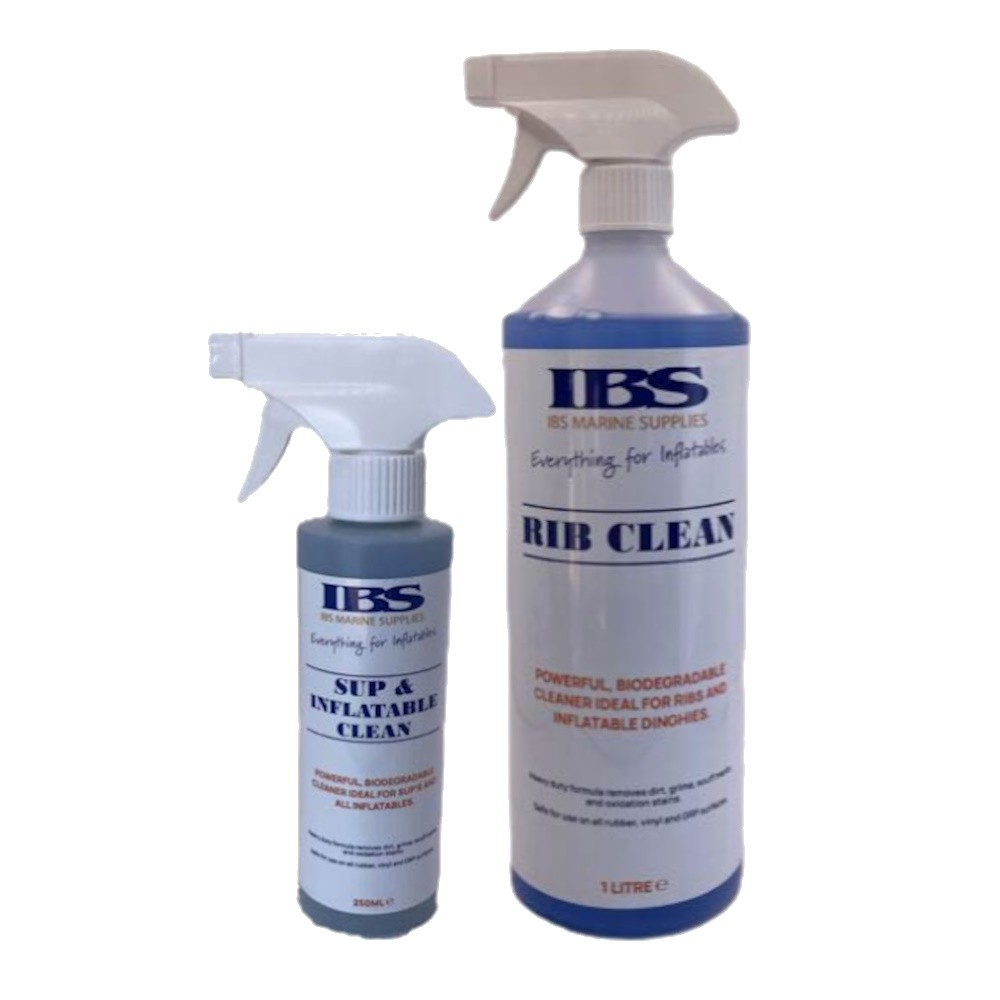
A periodic wash with specialist Inflatable Boat Cleaners helps remove grime and UV chalking. Specialist treatments can restore appearance and help protect PVC or Hypalon-type fabrics. Applying a UV protectant a few times each season makes a noticeable difference if your dinghy lives on deck or on davits.
Check air pressure regularly. Tubes naturally lose pressure with temperature changes, and running under-inflated can strain seams and affect performance. A slow leak or sticky valve is usually easy to sort with the right Repair Kit or Replacement Valve, and catching it early saves bigger jobs later.
Correct inflation makes a real difference too — under-inflated tubes flex more, which puts extra strain on seams and reduces performance. Most owners keep a Hand Pump, Foot Pump or Electric Inflator onboard so they can top up before heading out.
When it comes to storage, dry the boat thoroughly before packing it away. If you’re leaving it inflated, a Boat Cover or Tarpaulin protects it from UV exposure and bird mess. For winter lay-ups, store it loosely rolled in a cool, shaded space rather than tightly compressed; it’s kinder on the fabric and helps prevent creasing.
With routine care and the right maintenance products, a quality inflatable tender should give many seasons of reliable service.
How do I choose the right buoyancy aid for my activity?
Choosing the right buoyancy aid comes down to the range of movement you need. While all our buoyancy aids provide the necessary 50N of floatation for conscious swimmers, the "cut" of them varies:
For Paddling (SUP & Kayak): Look for jackets with large armholes and a slim-line chest. This prevents the foam from rubbing against your inner arms as you paddle. A shorter body or "high-cut" waist is also ideal, as it stops the jacket from being pushed up by your spray deck or the seat of your kayak.
For High-Speed Water Sports (Skiing & Towing): Stability is key. Look for a vest with multiple 3 or 4-buckle closures that can be cinched tight. This ensures the vest stays in place if you hit the water at speed. These types of buoyancy aids are often called Impact Vests.
For General Dinghy Sailing: A side-zip or front-entry vest with a large front pocket is often preferred for easy access to safety gear and tools while on the move.
Regardless of the activity, the most important factor is the fit. It should be snug enough that you can’t pull it up over your ears, but comfortable enough to breathe deeply.
How do I choose the best inflatable dinghy or tender for my yacht?
Choosing the right tender comes down to how you use your boat and how much space you have to store and handle it. Most yacht owners look at models between 2.3m and 3.5m, as they strike a good balance between carrying capacity, stability and ease of stowage.
A key decision is the floor type.
Slatted floors are lightweight, quick to assemble and easy to roll away — ideal if you want something simple and portable.
Air deck floors offer a stiffer, more comfortable ride and pack down surprisingly small, making them a popular choice for cruising yachts.
Weight is another big factor, especially if you’re lifting the tender onto davits or the foredeck. Many sailors look for options under 25kg — models like the Windward O2Lite are designed specifically for easy handling without compromising durability.
You’ll also want to check passenger capacity, maximum load and outboard compatibility to ensure it meets your needs. Have an understanding of some of the practical features of dinghies, such as davit lifting points, inflatable keels for better tracking, or reinforced rubbing strakes for longevity. These could all help you make your choice.