

Force 4 Chandlery stocks a huge range of chandlery equipment for boats of all types, sail or power, found below the decks. From Toilets & Plumbing to Crockery, Cookers and Cushions.









Popular Products in Chandlery Above Deck

Catalogue Code: 870071
£4.75
Available In-store to call & collect
Available to buy online

Catalogue Code: 870444
£3.35
Available In-store to call & collect
Available to buy online

Catalogue Code: 800568
£99.95
Available In-store to call & collect
Available to buy online

Catalogue Code: 700030
£16.75
Save
£11.00 RRP
£27.75
Available In-store to call & collect
Available to buy online

Catalogue Code: 800165
£19.95
Save
£5.00 RRP
£24.95
Available In-store to call & collect
Available to buy online

Catalogue Code: 540052
£21.95
Save
£7.00 RRP
£28.95
Available In-store to call & collect
Available to buy online

Catalogue Code: 890586
£18.75
Save
£4.41 RRP
£23.16
Available In-store to call & collect
Available to buy online

Catalogue Code: 890952
£54.95
Available In-store to call & collect
Available to buy online

Catalogue Code: 830470
£6.95
Available In-store to call & collect
Available to buy online

Catalogue Code: 830019
£61.95
Save
£12.15 RRP
£74.10
Available In-store to call & collect
Available to buy online
Catalogue Code: 820179
£529.95
Save
£219.05 RRP
£749.00
Available In-store to call & collect
Available to buy online

Catalogue Code: 830342
£13.95
Save
£3.32 RRP
£17.27
Available In-store to call & collect
Available to buy online

Catalogue Code: M870291
£14.95
Available In-store to call & collect
Available to buy online

Catalogue Code: 800720
£4.95
Available In-store to call & collect
Available to buy online

Catalogue Code: 800667
£12.95
Available In-store to call & collect
Available to buy online

Catalogue Code: 800583
£4.95
Save
£1.50 RRP
£6.45
Available In-store to call & collect
Available to buy online
Chandlery Below Deck FAQ
What products can I find in Chandlery Below Deck?
Chandlery below deck is the home for all equipment and systems you find beneath the deck of your sail or motorboat.
This means all Plumbing and Water Systems equipment including Bilge Pumps. You'll also find all your Toilets, Toilet Spares and Hose Fittings in chandlery below deck.
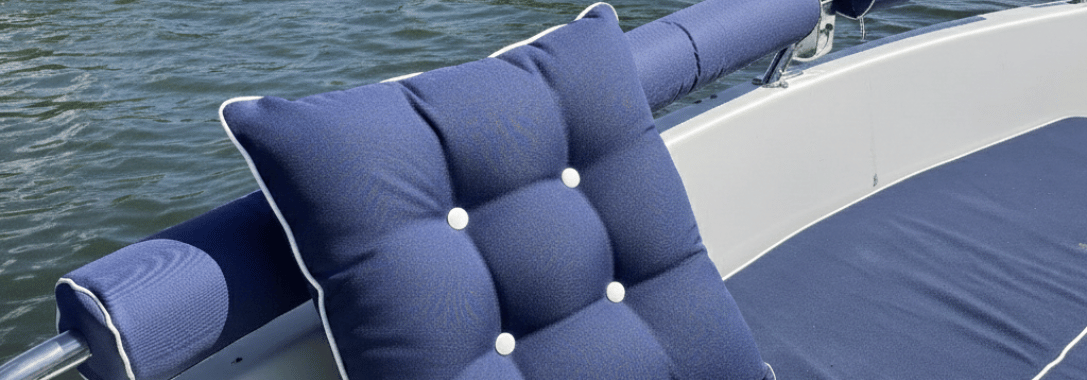
Make life on board more comfortable with Galley Equipment. Shop for new Cookers, unbreakable Crockery & Tableware, Glasses and more. You can really make the boat a home away from home with some great options in Bedding and Cushions.
Keep things secure below deck with a massive array of Cabin Fittings & Furniture, Coat Hooks and Door & Drawer Catches. There are also Teak Fittings and much more to complete the look and feel of your boat.
When the worst of the weather hits you can keep your boat dry, frost and condensation free with Heaters & Dehumidifers. Helping to keep it fresh in the off season months.
There is much more available as well, shop for all your below deck chandlery and equipment needs with the UK's largest chandler.
How do I choose the right toilet for my boat?
Choose the right toilet for your boat comes down to a couple of key points. Size is a big one, making sure you actually have space for the toilet that you're looking at. The second is type, their are two main types of toilet to consider.
- Manual — Simple, reliable, no power needed, and easy to service. Great for smaller boats or anyone who wants low hassle and minimal power draw.
- Electric — Push-button flushing for real convenience, usually with a macerator to break things down. They’re brilliant on bigger yachts, but you’ll need decent battery capacity and a bit more installation planning.
We stock a massive selection of toilets to suit most boats and spaces.
Shop all our marine toilets here
Watch our video: How do I keep bad smells out of my boat?
What’s the difference between composite and metal fittings below deck?
In recent years, composite systems have become increasingly common as a lightweight, maintenance-free alternative to traditional metal fittings.
Composite fittings are made from high-strength, glass-reinforced polymers that are completely corrosion-free. They do not suffer from electrolysis or dezincification, making them a popular choice for modern below-deck installations. They are particularly good below the waterline where long-term reliability is critical.
Metal fittings, most commonly marine bronze, have been used for decades and remain a trusted option when properly specified and maintained. Bronze fittings are strong and durable but should be regularly inspected for signs of corrosion, wear or seizing, especially in saltwater environments.
The best choice depends on your boat, existing system and personal preference. All below-deck fittings should always be marine-grade and suitable for continuous immersion.
Shop for TruDesign composite fittings here
How do I keep my boat’s gas system safe?
Marine gas systems need careful installation and regular checks to stay safe. Always use approved hoses, regulators and fittings, and replace anything that shows signs of wear.
Shop for gas regulators and hoses here
Make a habit of checking for leaks — Gas Leak Detector Fluid is great to test connections is often enough to spot issues early. Gas bottles should always be stored in a properly ventilated locker. This is so any escaping gas drains safely overboard rather than into the cabin.
Many sailors also fit gas alarms for extra reassurance, especially on older boats or during long lay‑ups.
If you’re ever unsure about the condition of your system, it’s worth having it inspected by a qualified marine gas engineer who can confirm everything is set up and operating correctly.
How do I choose the right bilge pump for my boat?
Choosing a bilge pump depends on your boat size, layout and how it is used. Many boats use a combination of pumps rather than relying on a single unit, with electric bilge pumps providing automatic protection and manual pumps offering a reliable backup in an emergency.
Electric bilge pumps are commonly used for everyday water management. They are often paired with automatic float switches to operate when the boat is unattended. Manual bilge pumps require physical operation but remain an important safety feature, particularly if electrical systems fail.
See all Bilge Pump Switches here
Other factors to consider include pump capacity, discharge hose routing, installation location and whether the pump is submersible or diaphragm-based. Larger boats or offshore vessels may benefit from multiple pumps or high-water alarms for added reassurance.