

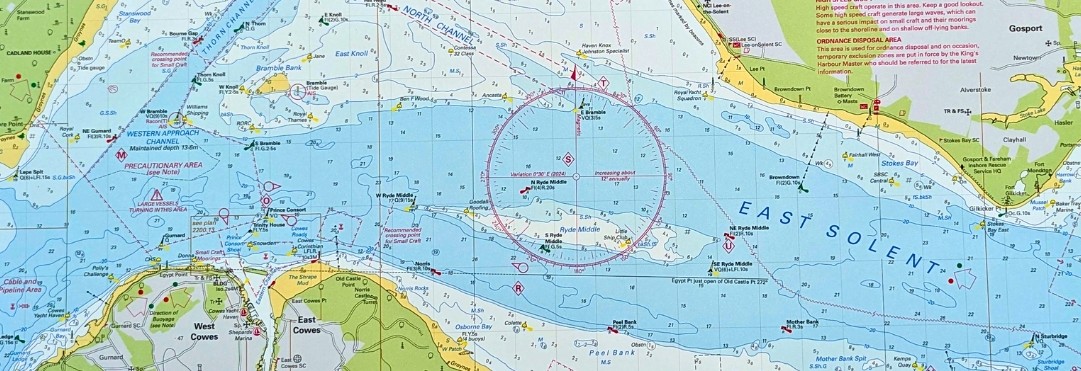
Our Navigation department brings together trusted tools and modern tech — from binoculars and compasses to paper charts, electronic charting, weather instruments and traditional sextants.




Popular products in Navigation

Catalogue Code: 310024
£99.95
Save
£50.05 RRP
£150.00
Available In-store to call & collect
Available to buy online

Catalogue Code: 340005
£37.95
Save
£3.26 RRP
£41.21
Available In-store to call & collect
Available to buy online
Catalogue Code: 350223
£12.95
Save
£5.04 RRP
£17.99
Available In-store to call & collect
Available to buy online

Catalogue Code: 350044
£93.95
Save
£6.00 RRP
£99.95
Available In-store to call & collect
Available to buy online

Catalogue Code: SI35037
£149.95
Available In-store to call & collect
Available to buy online

Catalogue Code: 220687
£69.99
Available In-store to call & collect
Available to buy online

Catalogue Code: 350211
£299.95
Save
£300.04 RRP
£599.99
Available In-store to call & collect
Available to buy online
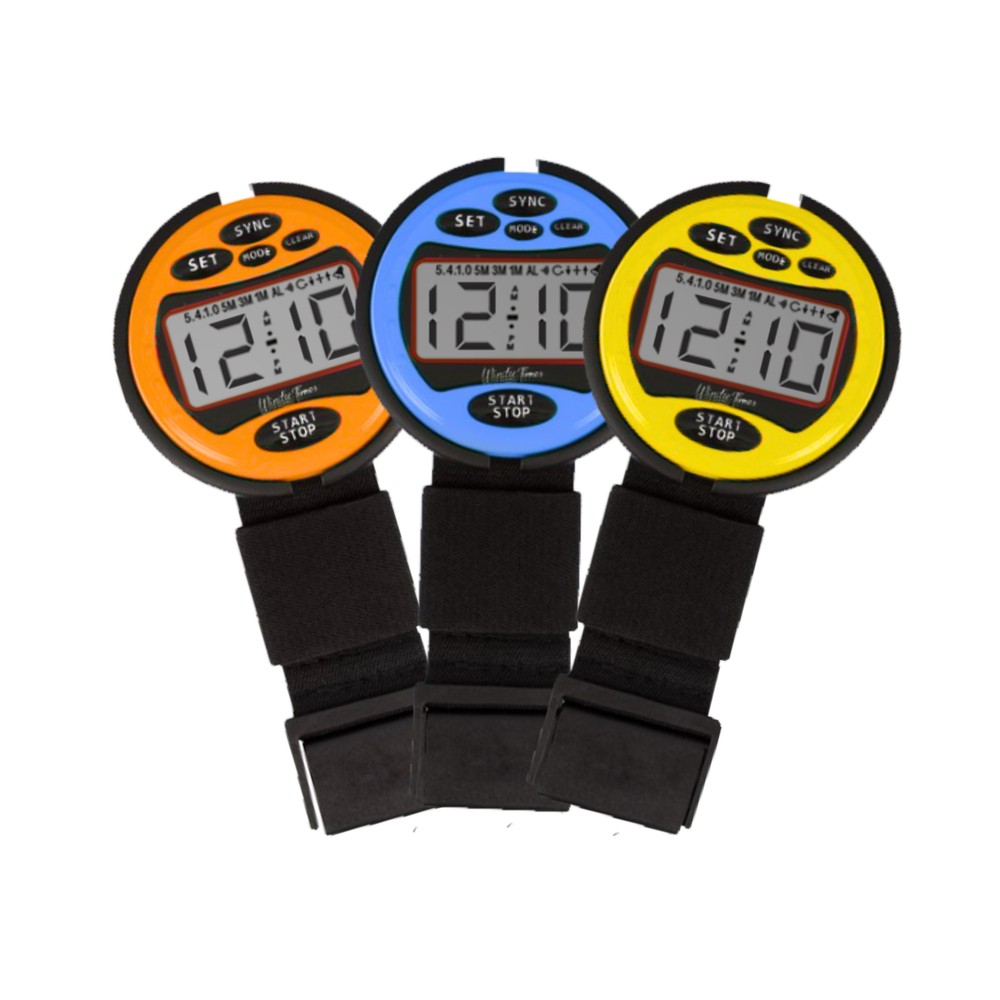
Catalogue Code: 350222
£64.95
Available In-store to call & collect
Available to buy online

Catalogue Code: 2400
£54.95
Save
£5.00 RRP
£59.95
Available In-store to call & collect
Available to buy online

Catalogue Code: C15
£25.95
Save
£3.00 RRP
£28.95
Available In-store to call & collect
Available to buy online

Catalogue Code: 340043
£5.55
Save
£0.40 RRP
£5.95
Available In-store to call & collect
Available to buy online

Catalogue Code: M-EW-Y226-MS
£199.95
Save
£4.24 RRP
£204.19
Available In-store to call & collect
Available to buy online
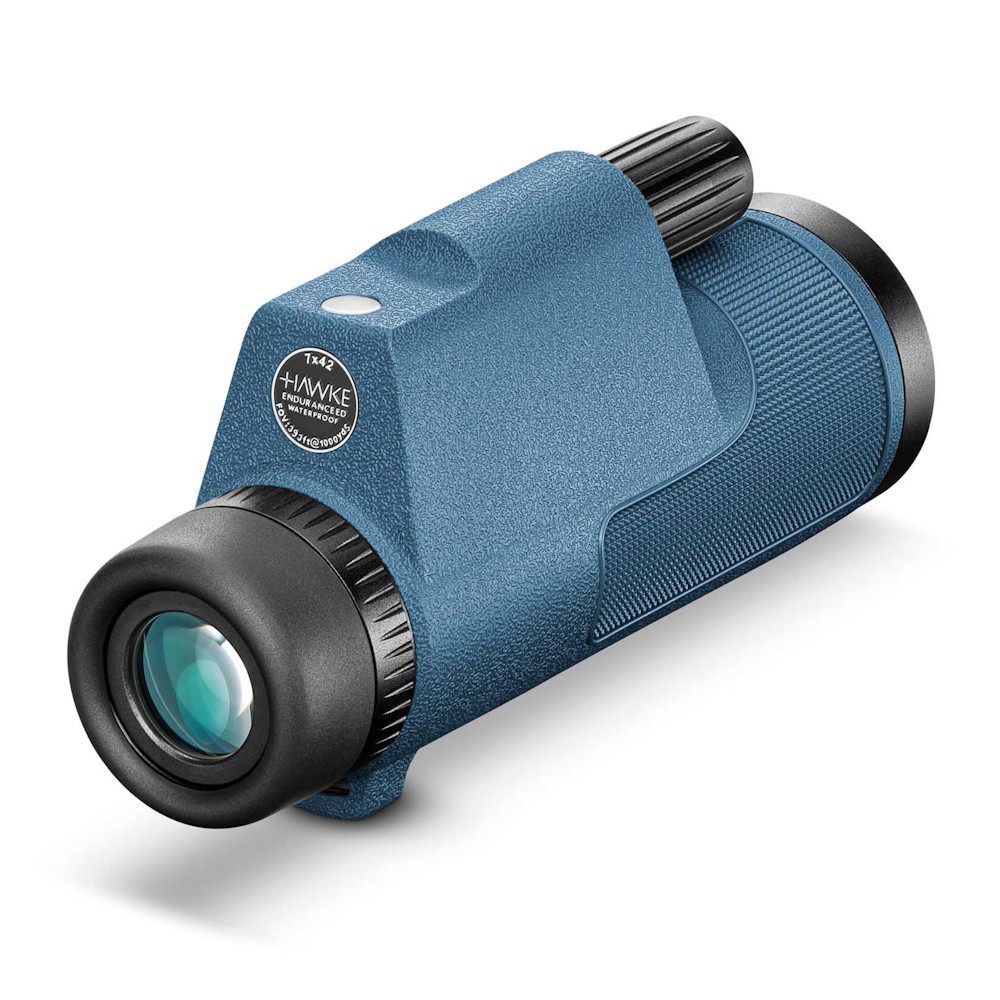
Catalogue Code: 310081
£179.95
Available In-store to call & collect
Available to buy online

Catalogue Code: 310086
£36.75
Available In-store to call & collect
Available to buy online

Catalogue Code: 340015
£8.95
Save
£0.65 RRP
£9.60
Available In-store to call & collect
Available to buy online

Catalogue Code: 340044
£7.95
Available In-store to call & collect
Available to buy online

Catalogue Code: 350207
£49.95
Save
£60.05 RRP
£110.00
Available In-store to call & collect
Available to buy online

Catalogue Code: NAV+UKR
£149.95
Save
£0.04 RRP
£149.99
Available In-store to call & collect
Available to buy online

Catalogue Code: 2200
£54.95
Save
£5.00 RRP
£59.95
Available In-store to call & collect
Available to buy online
Navigation FAQ
What products are included in the Force 4 Navigation department?
Our Navigation department covers everything you need to plan and plot your next trip out on the water. We bring together both traditional and modern tools to help you plan passages, monitor conditions and navigate with confidence.
For those who value traditional skills, our Chart Table Instruments and Paper Charts from Imray remain the gold standard for passage planning and backup. We also stock professional-grade Sextants for celestial navigators. Our collection of Electronic Charts includes the latest updates from Navionics, C-Map, and Garmin, ensuring your chartplotter is always accurate.
Beyond the chart table and chartplotter, we offer high-clarity Marine Binoculars for spotting marks, and precision Compasses to keep you on a steady heading.
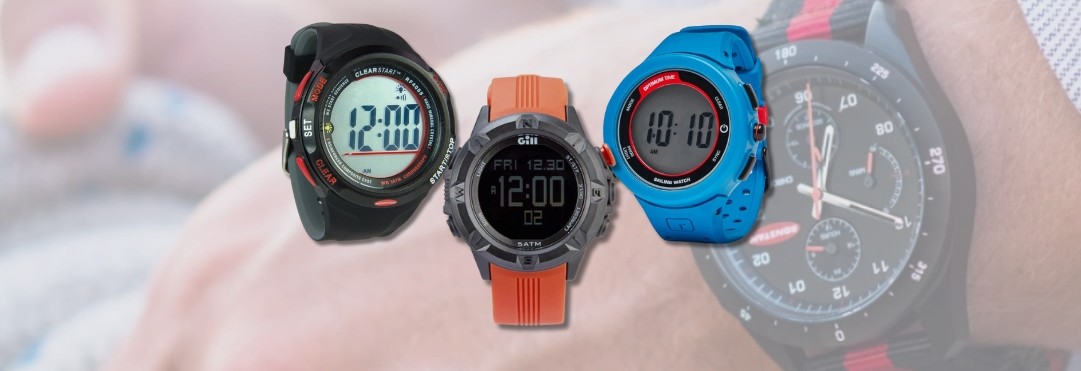
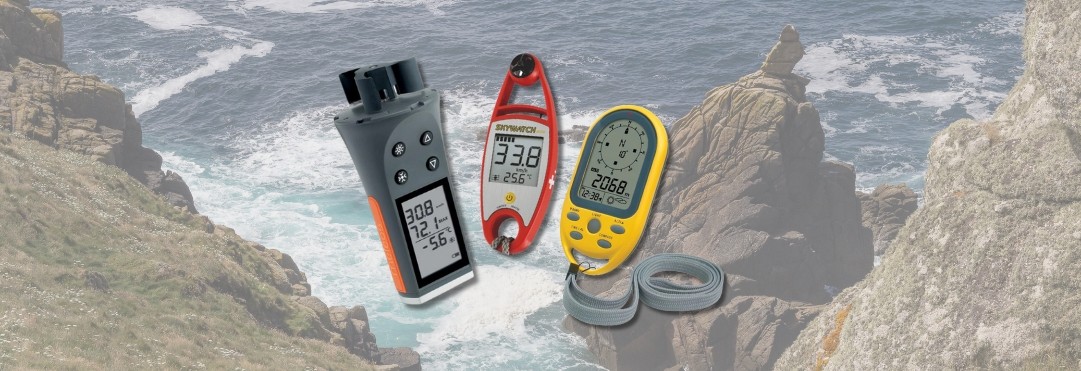
Shop for Weather Instruments and Clocks & Barometers to provide the atmospheric data required to stay ahead of the elements.
Do I still need paper charts if I use electronic navigation?
Yes, we always recommend carrying up-to-date Paper Charts as a vital backup.
Electronic navigation is highly reliable, but systems depend on power, signal and device integrity. If systems fail, having paper charts on board means you can always navigate safely back to port. Many sailing schools, examiners and insurers still recommend keeping updated paper charts on board for primary or secondary navigation.
It is often easier to plan a long passage on a paper chart, as it gives a wider view of the area.
What should I look for in marine binoculars?
Marine binoculars are built specifically for use on the water — where movement, glare and low light all affect visibility.
Most boating binoculars follow the proven 7x50 format. That means 7x magnification for a steady image onboard, paired with 50mm objective lenses for excellent low-light performance at dawn, dusk and in poor weather.
When choosing a pair, consider:
Essential features
- 7x50 magnification for stability and light gathering
- Waterproof and fog-proof construction (often nitrogen filled)
- Rubber armour for grip and impact protection
Then from there, you can move up through the specs to something that suits you and your needs.
Upgraded features
- Built-in compass for taking bearings
- Rangefinder reticle for estimating distance
- Higher-grade optics and coatings for sharper contrast and reduced glare
Higher magnification may sound appealing, but at sea stability matters more than zoom. A well-balanced 7x50 binocular will outperform more powerful optics in real marine conditions.
For coastal pilotage or identifying navigation marks, a pair of marine binoculars is one of the most practical and reliable tools you can carry onboard.
What navigation instruments should every boat carry?
At a minimum, most skippers carry:
A reliable compass — your primary heading reference, independent of power or signal. Explore our marine compasses range here
Up-to-date charts (paper or electronic) — essential for passage planning and safe pilotage. Shop for paper charts and electronic chart cards
Dividers and a Portland plotter — for measuring distances, plotting courses and working tidal calculations. Our Budget Navigation Pack includes both in one great-value bundle.
A logbook — to record positions, courses, weather and key events underway. Browse our range of nautical logbooks here
Binoculars — for identifying navigation marks, hazards and traffic at distance. Shop for boat binoculars here
A tidal atlas or tide tables — critical for planning around tidal streams and depth. Find your tidal stream atlas here
A barometer or weather instrument — to monitor pressure trends and anticipate changing conditions. Explore our range of weather instruments here or shop from our clocks & barometers range here
[Image showing a "Skipper's Essentials" kit: Compass, parallel rules, logbook, and binoculars laid out on a chart]
For offshore passages, many skippers add:
A handheld GPS as an independent backup to fixed electronics. View our handheld GPS units here
A sextant for traditional celestial navigation. Shop for sextants here
Redundant power sources to ensure electronic systems remain operational.
Good navigation is about preparation and redundancy. Even with modern chartplotters onboard, carrying dependable manual tools ensures you can continue navigating safely if electronics fail.
What type of compass is best for my boat?
It depends on your helm setup and vessel size.
- Binnacle compasses are common on wheel-steered yachts.
- Bulkhead compasses suit smaller cockpits or open boats.
- Hand-bearing compasses are ideal for taking bearings and as backup navigation tools.
Even with electronic systems onboard, a properly installed magnetic compass remains a primary and legally required navigation instrument on many vessels.
What are the essential chart table tools for beginners?
Every boater should have an understanding of how to use paper charts on board. Even in the modern age of digital navigation, paper charts are your reliable fail-safe.
Here is our recommended starter kit for traditional course plotting:
Course Plotters: These are the most popular choice for modern sailors. They allow you to quickly plot a course or find a bearing by aligning the plotter with the chart’s grid lines. It eliminates much of the "math" and reduces the risk of calculation errors.
Single-Handed Dividers: Used for measuring distances. The "single-handed" design features a brass bow at the top, allowing you to open and close them with one hand while keeping your other hand free to steady yourself on a moving boat.
Parallel Rules: A classic alternative to the course plotter. By "walking" the two rulers across the chart, you can transfer a line from your intended track to the nearest compass rose to find your heading.
Chinagraph Pencils & Soft 2B Pencils: Standard pencils can be hard to erase from waterproof charts. Chinagraph (wax) pencils are perfect for plastic-coated charts, while a soft 2B pencil is best for traditional paper, as it marks clearly without scoring the surface.
You can find all of these very useful pieces of equipment in our Chart Table Instruments category.
Force 4 Expert Tip: Always keep a high-quality eraser and a pencil sharpener tethered to your chart table. In a bouncy sea, the simplest tools are the ones most easily lost!