Personal AIS Units
What is an AIS Beacon?
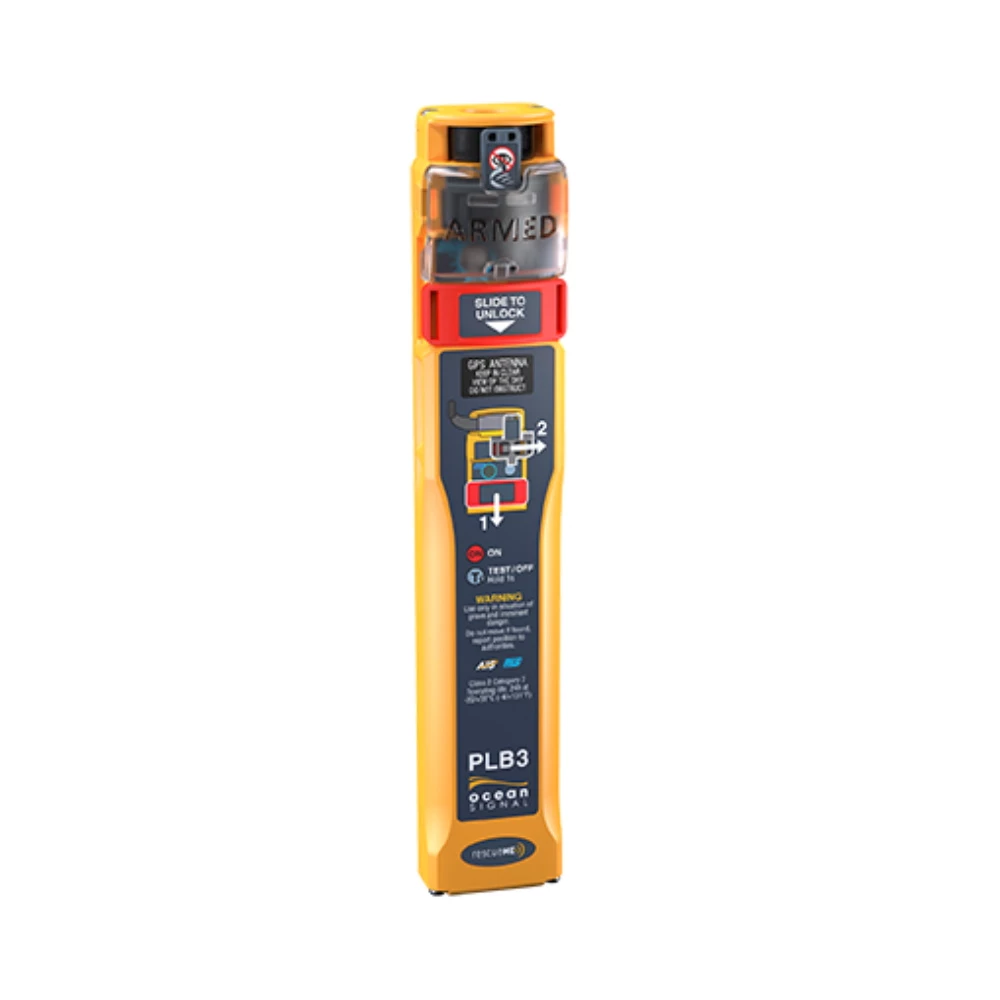
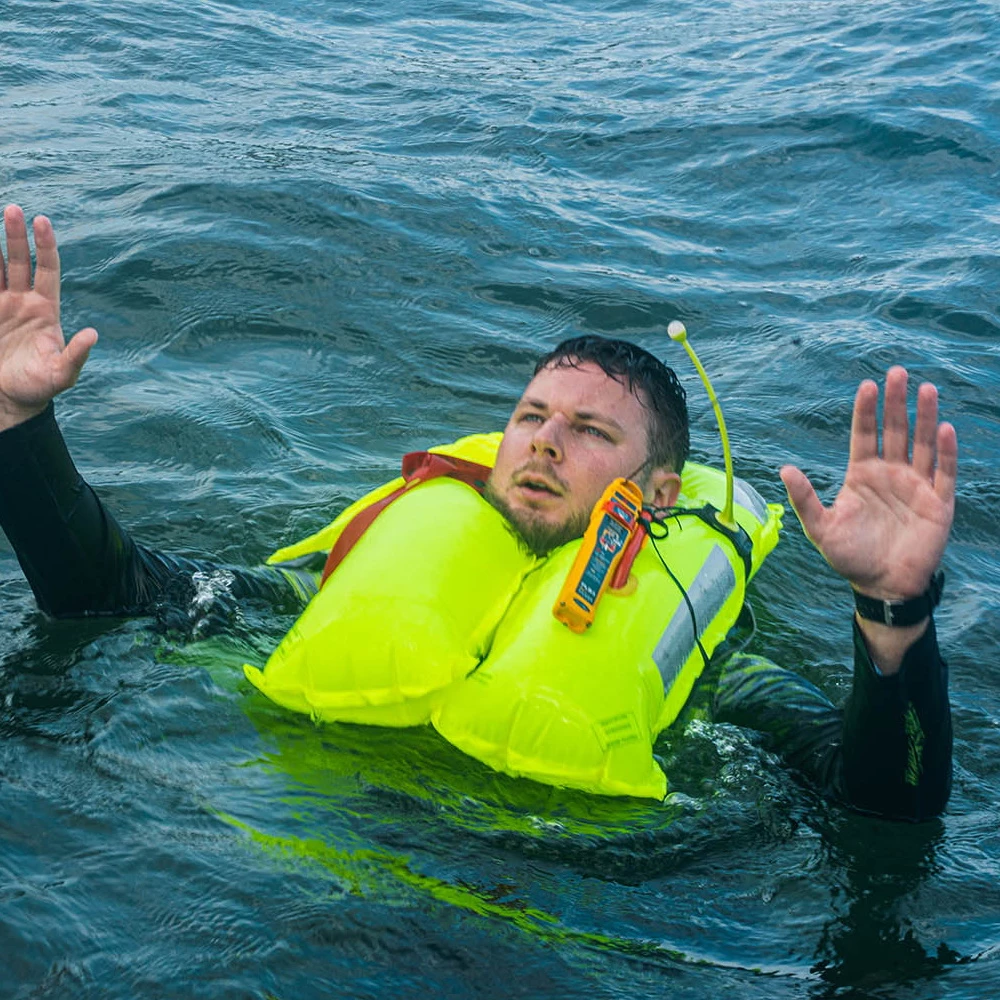
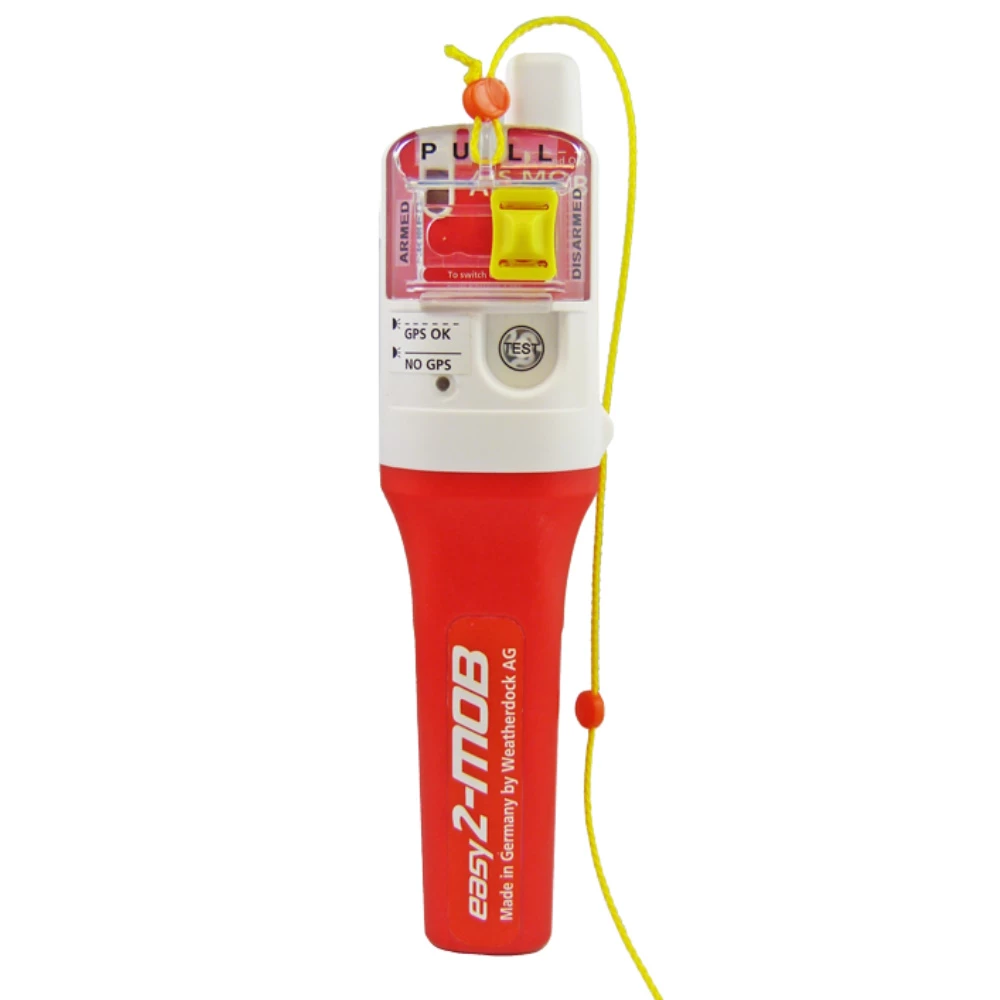
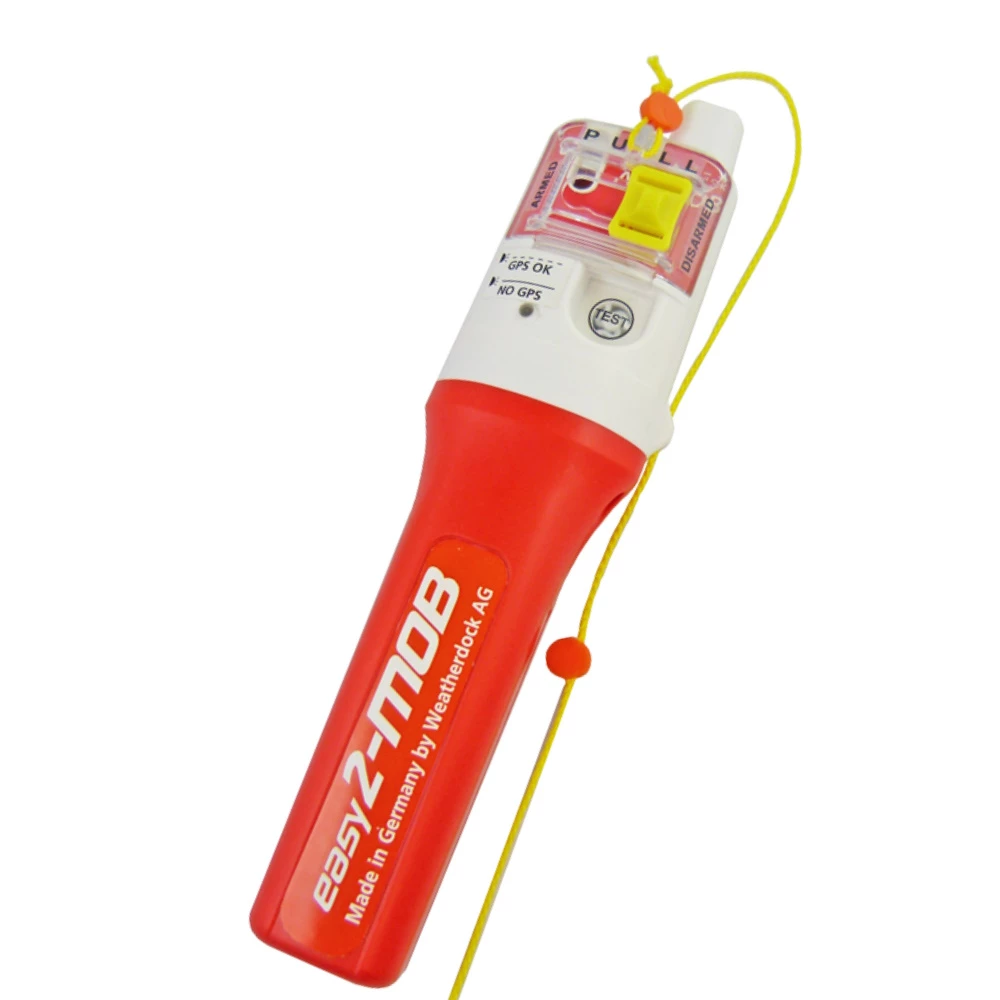
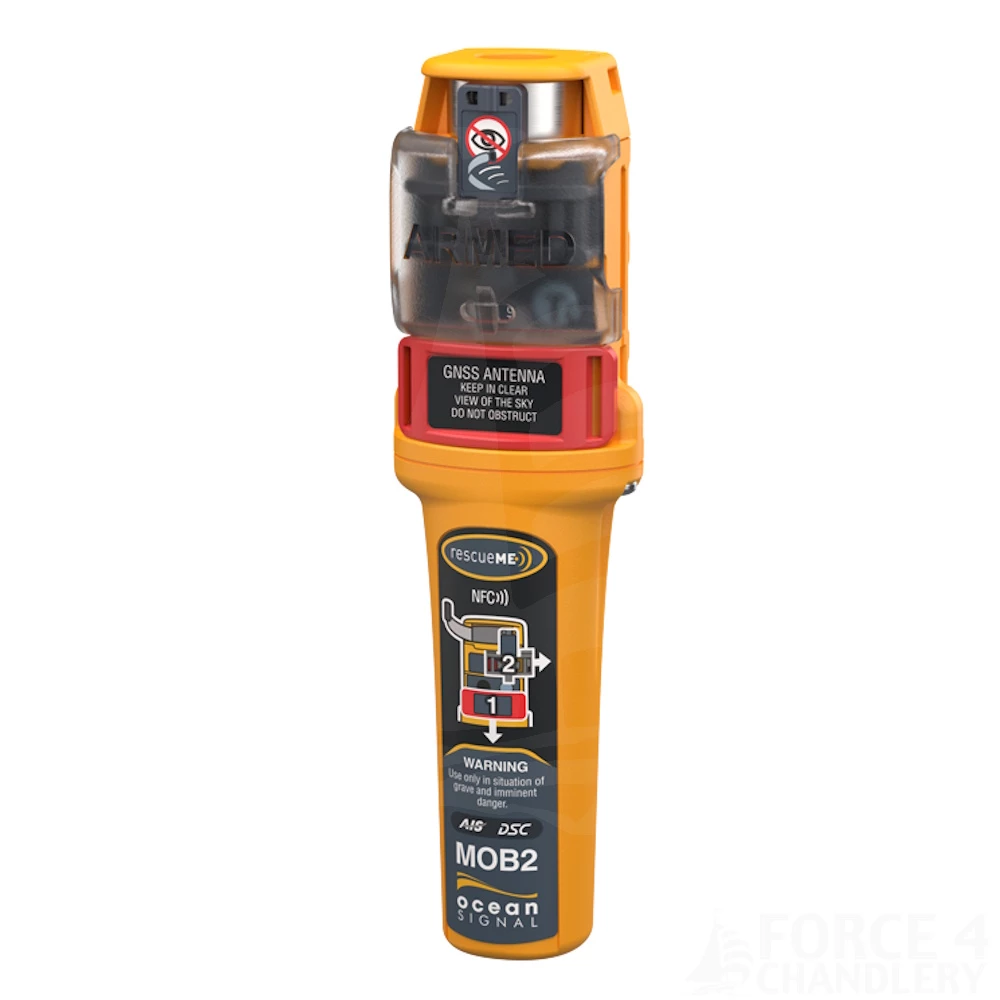
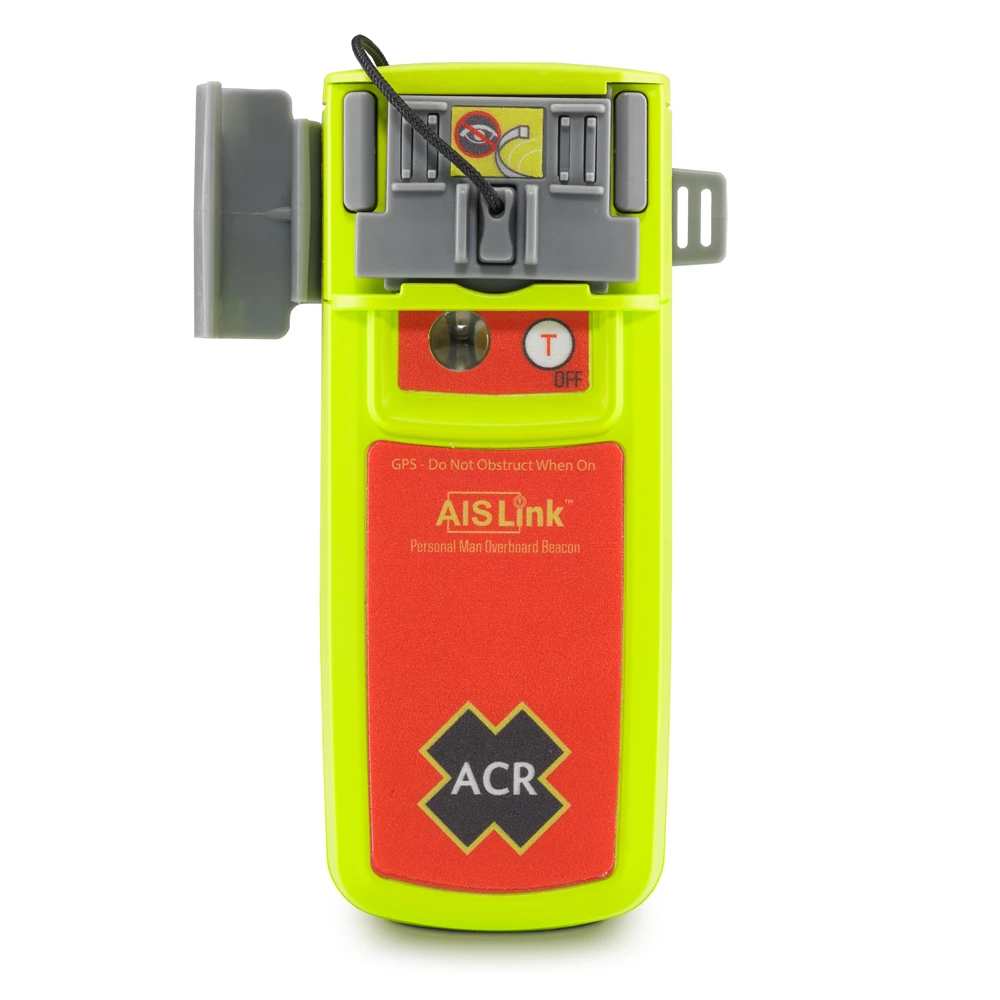
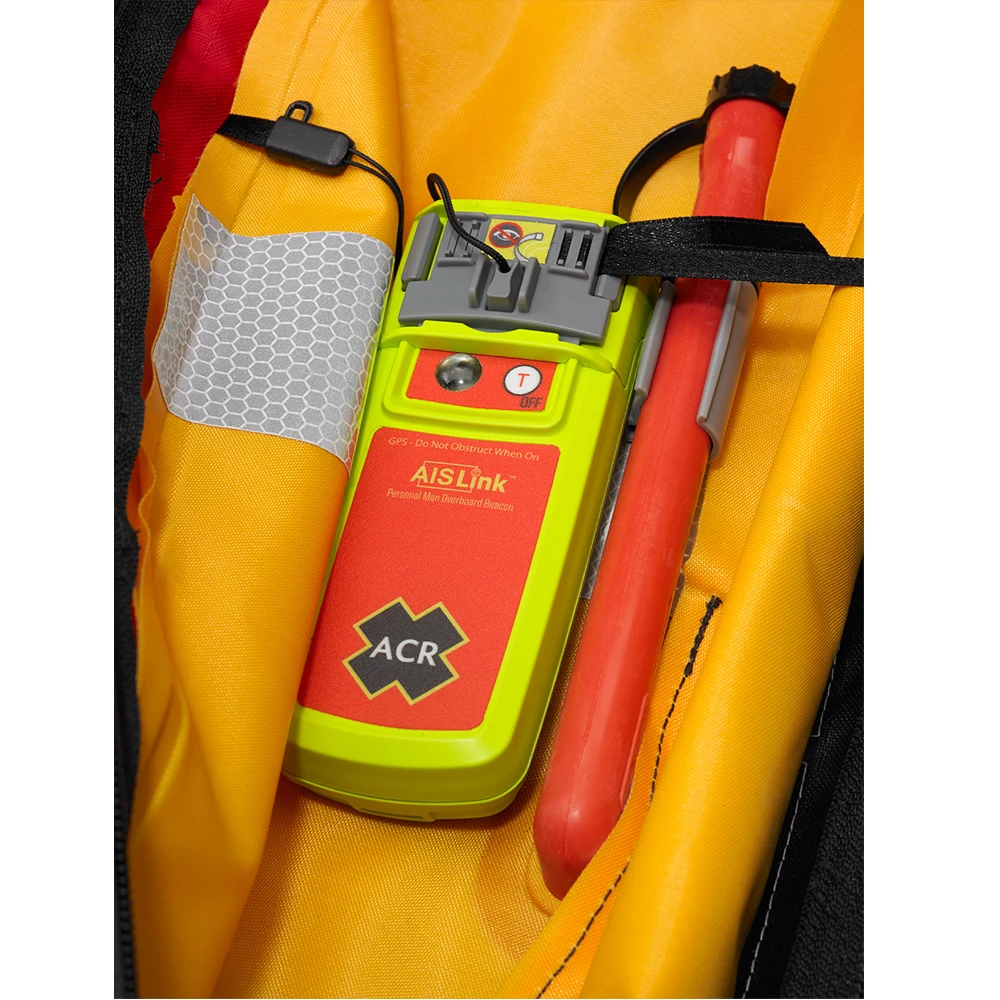
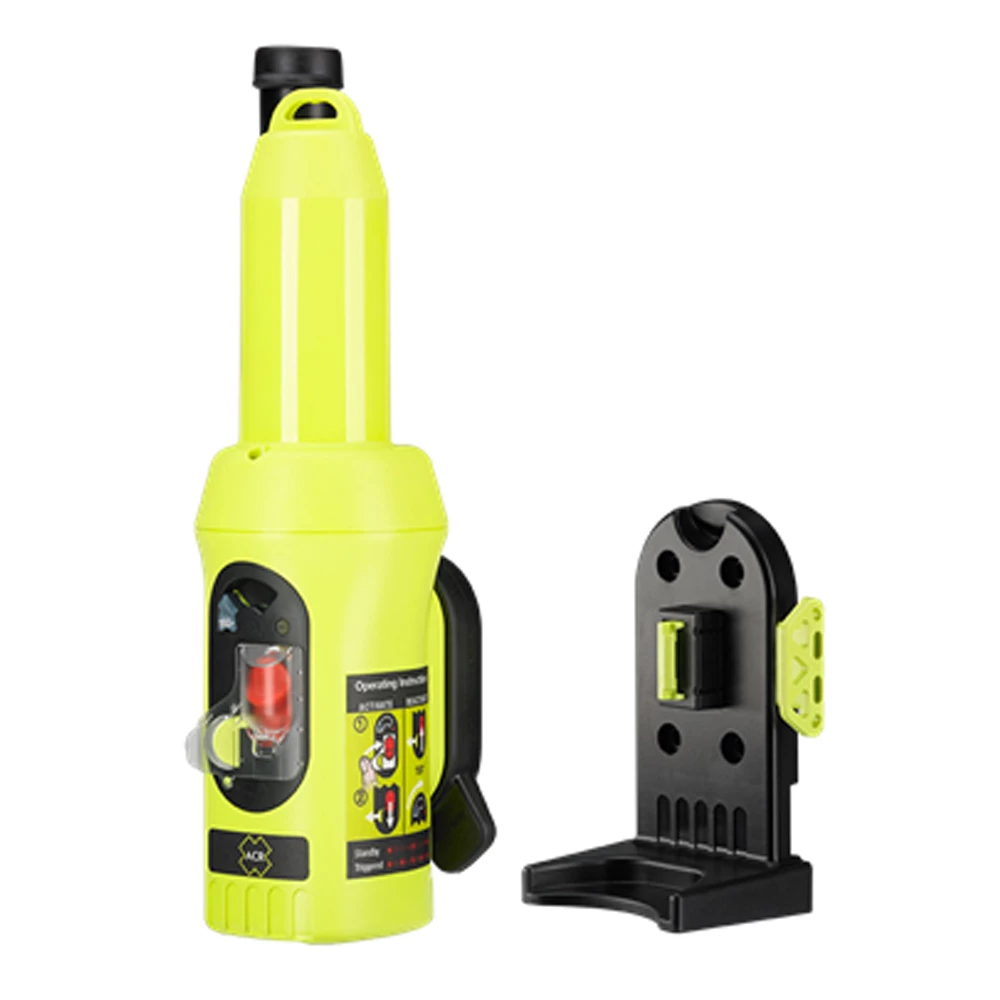
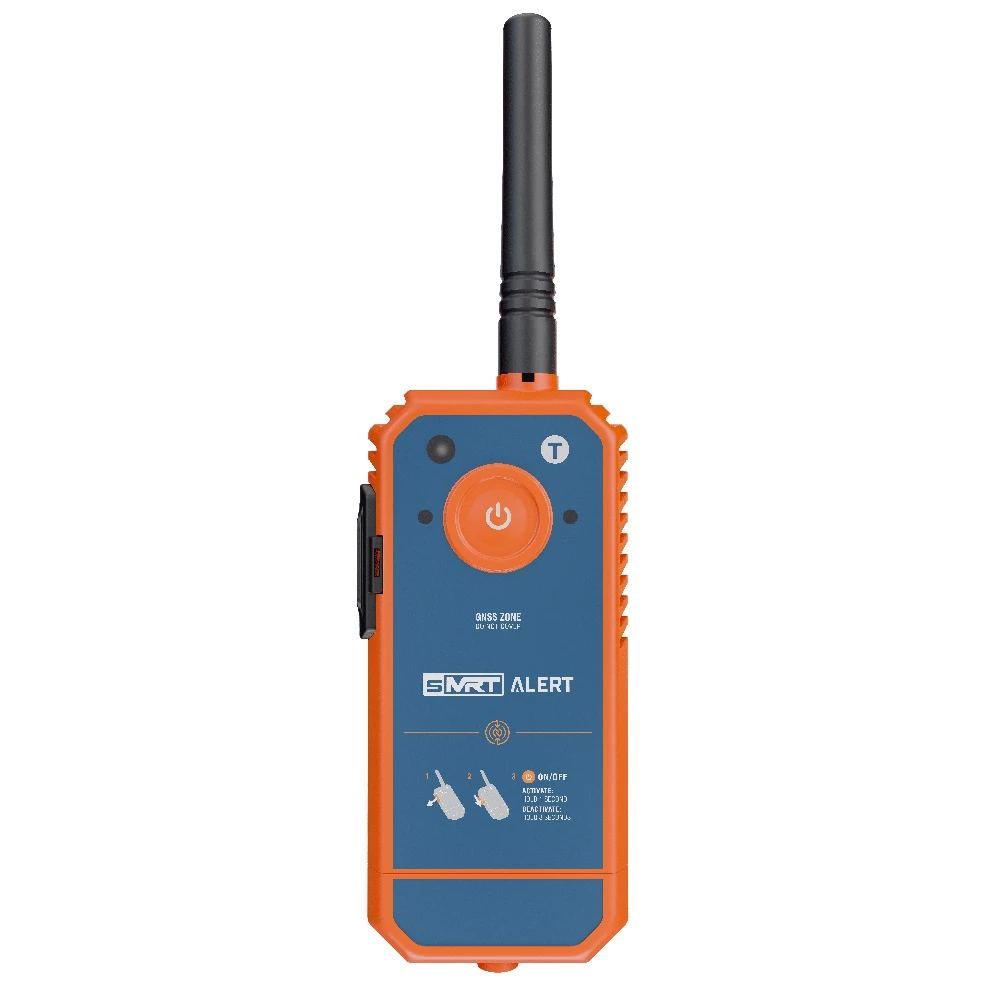
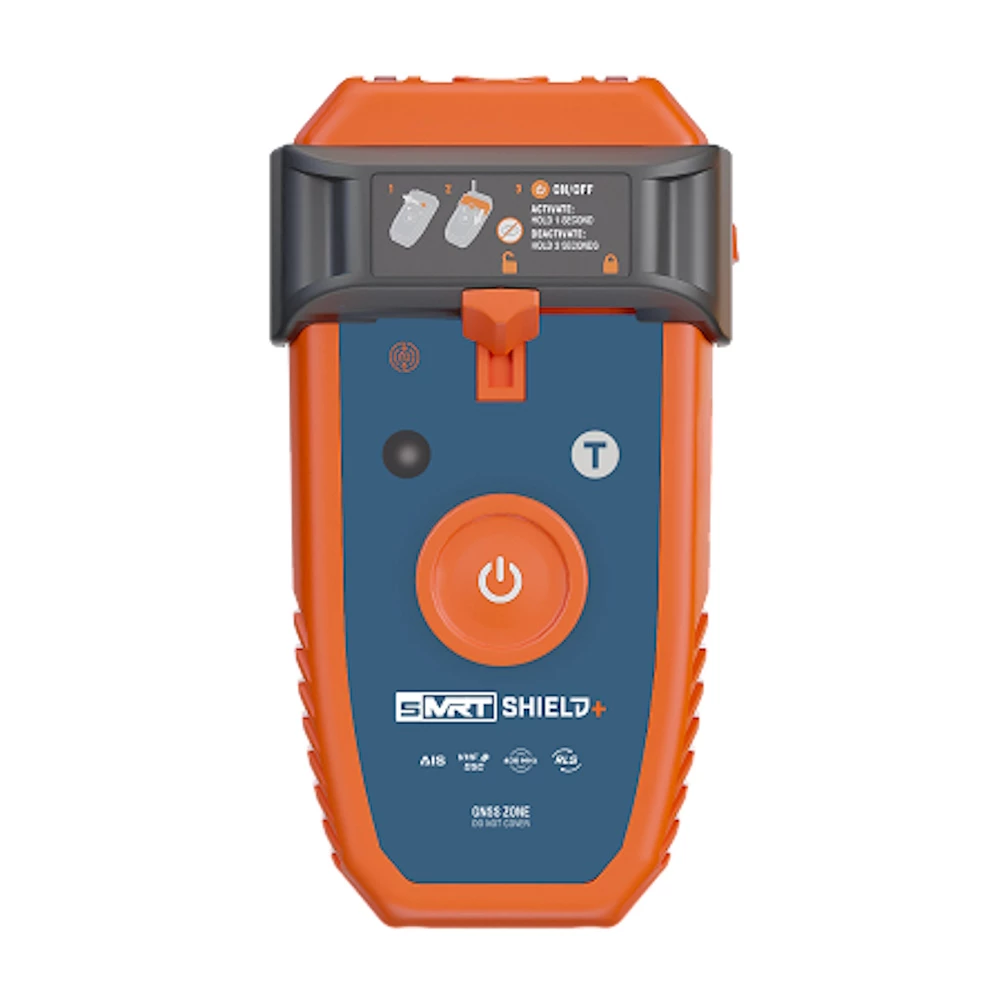
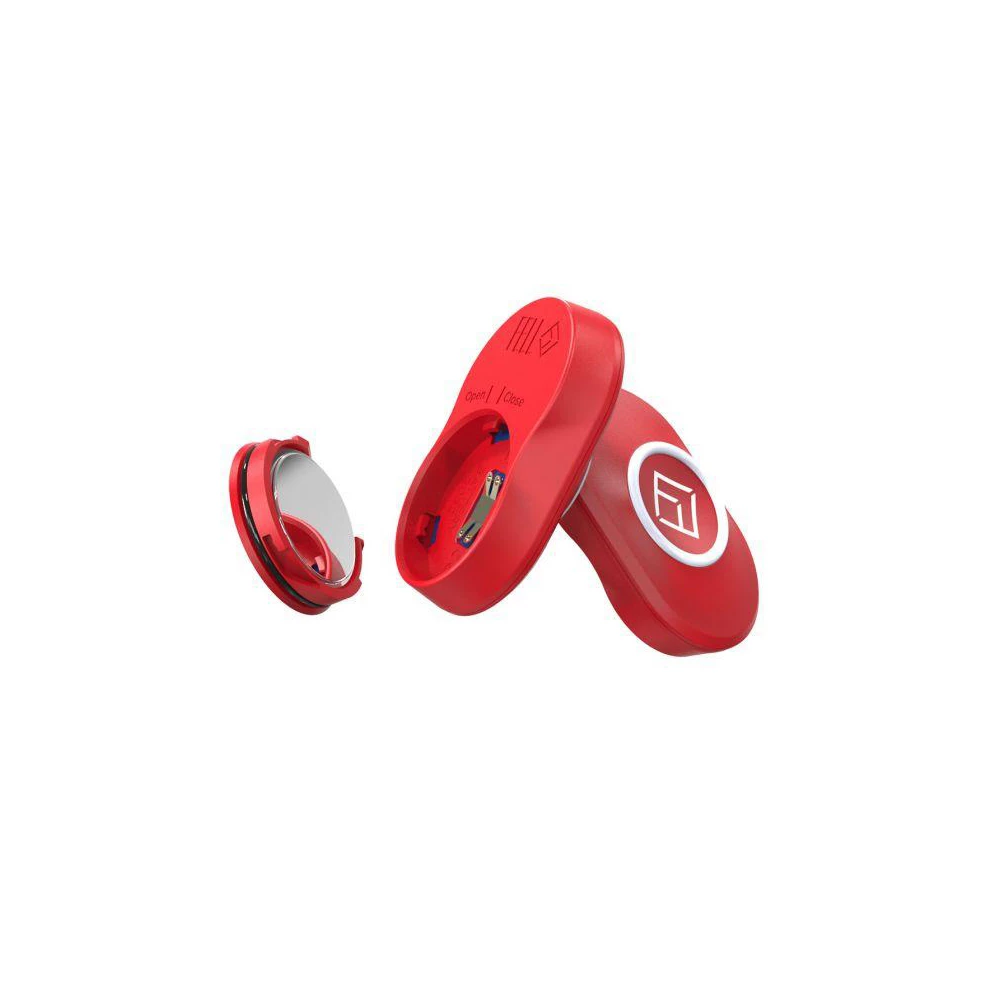
An AIS Beacon, or AIS MOB (Man Overboard) device, is a personal safety device. They broadcast an distress alert using the (AIS) Automatic Identification System when someone wearing it goes overboard.
Unlike an EPIRB or PLB, an AIS MOB device DOES NOT send a signal via satellite to search and rescue services. Instead, it transmits your position directly to nearby AIS-equipped vessels, usually within a range of up to 5 nautical miles.
How Does an AIS MOB Work?
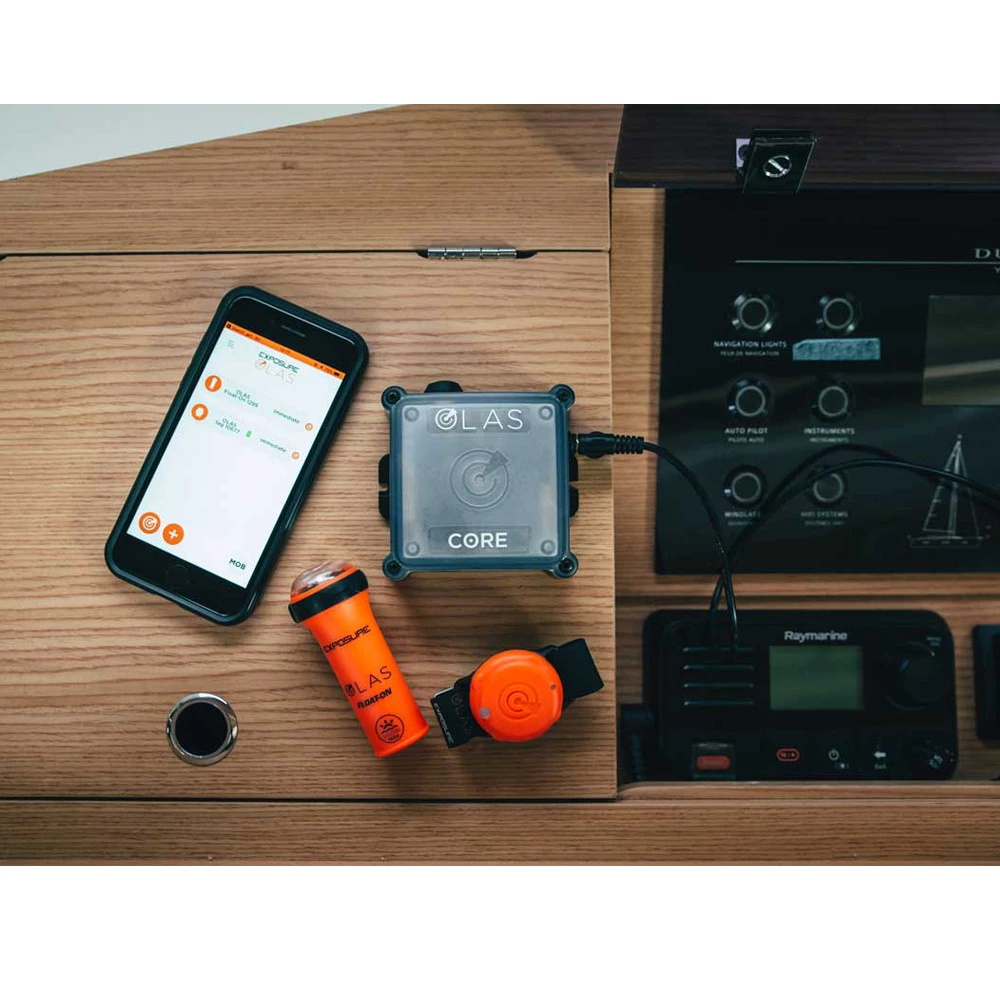
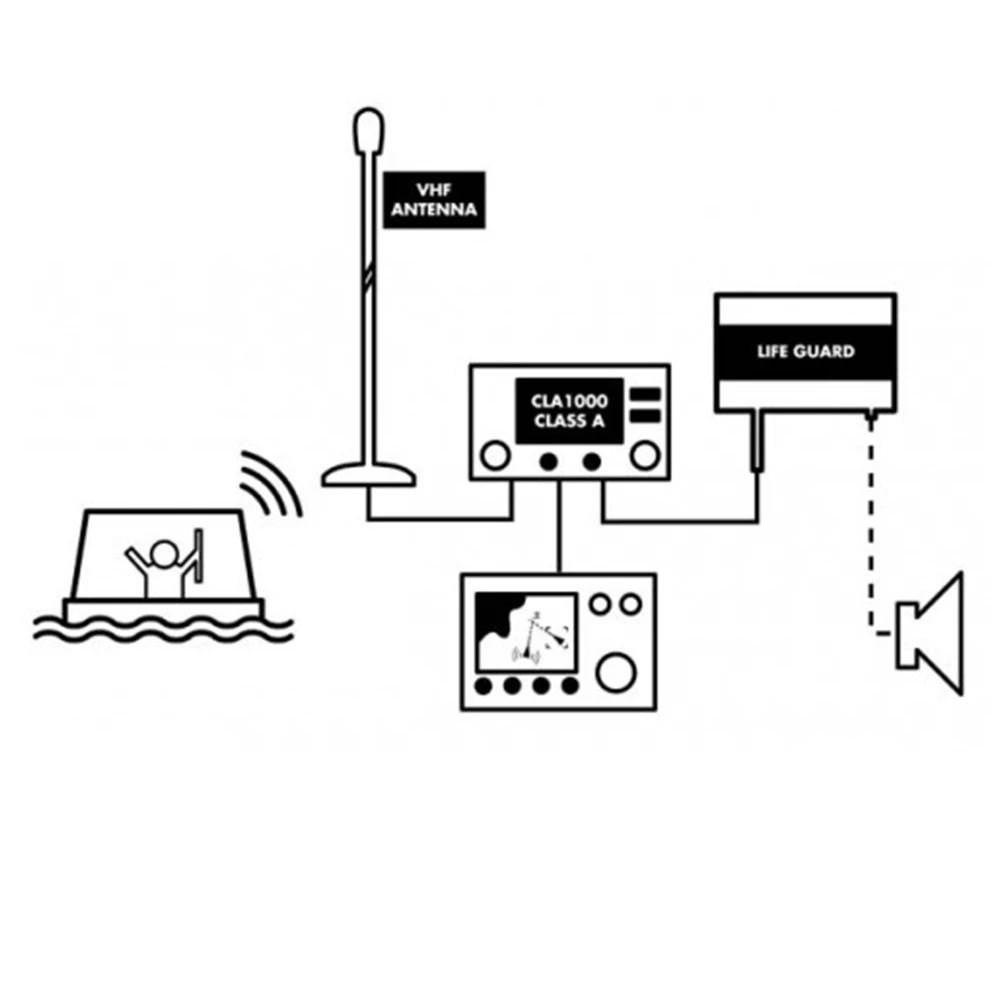
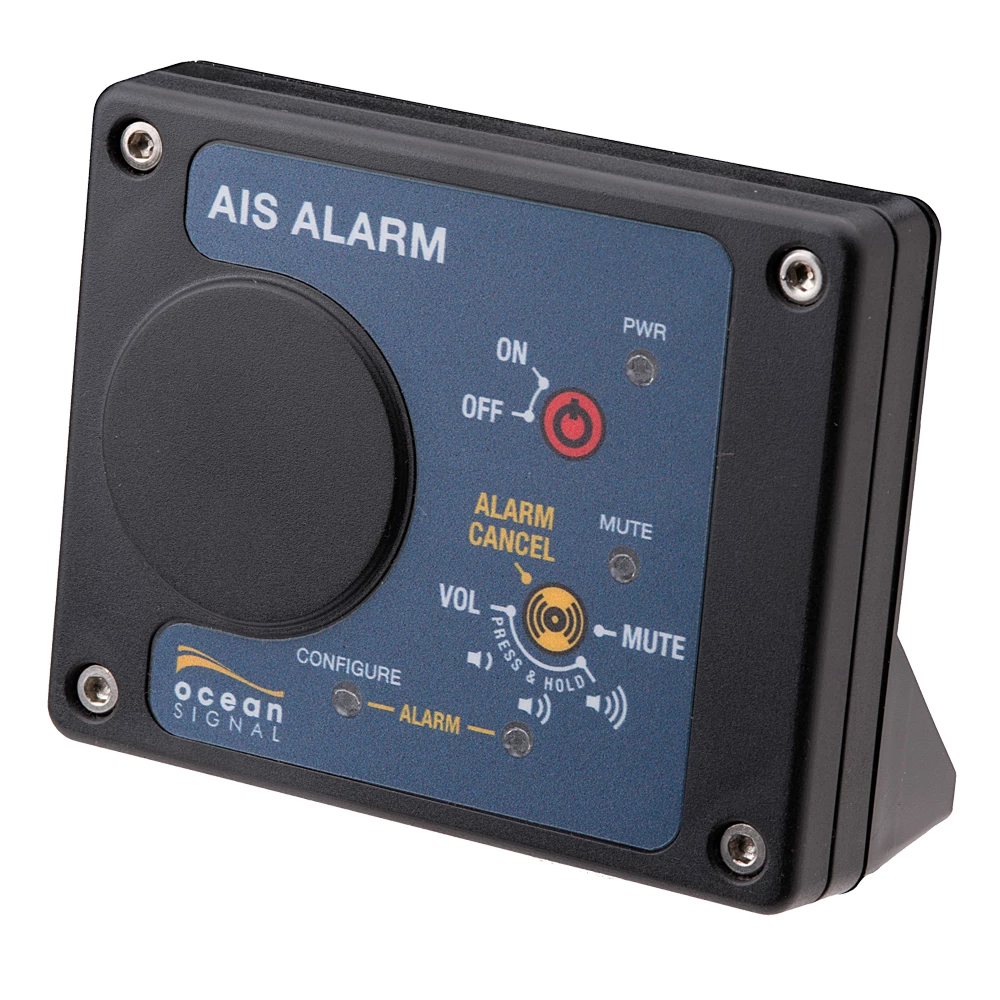
When activated an AIS MOB device begins transmitting a distress message along with your GPS coordinates via AIS. This alert will appear on the screens of AIS-enabled chartplotters or navigation systems in the area. It will be typically marked with a red MOB icon and an audible alarm to highlight the emergency nature of it.
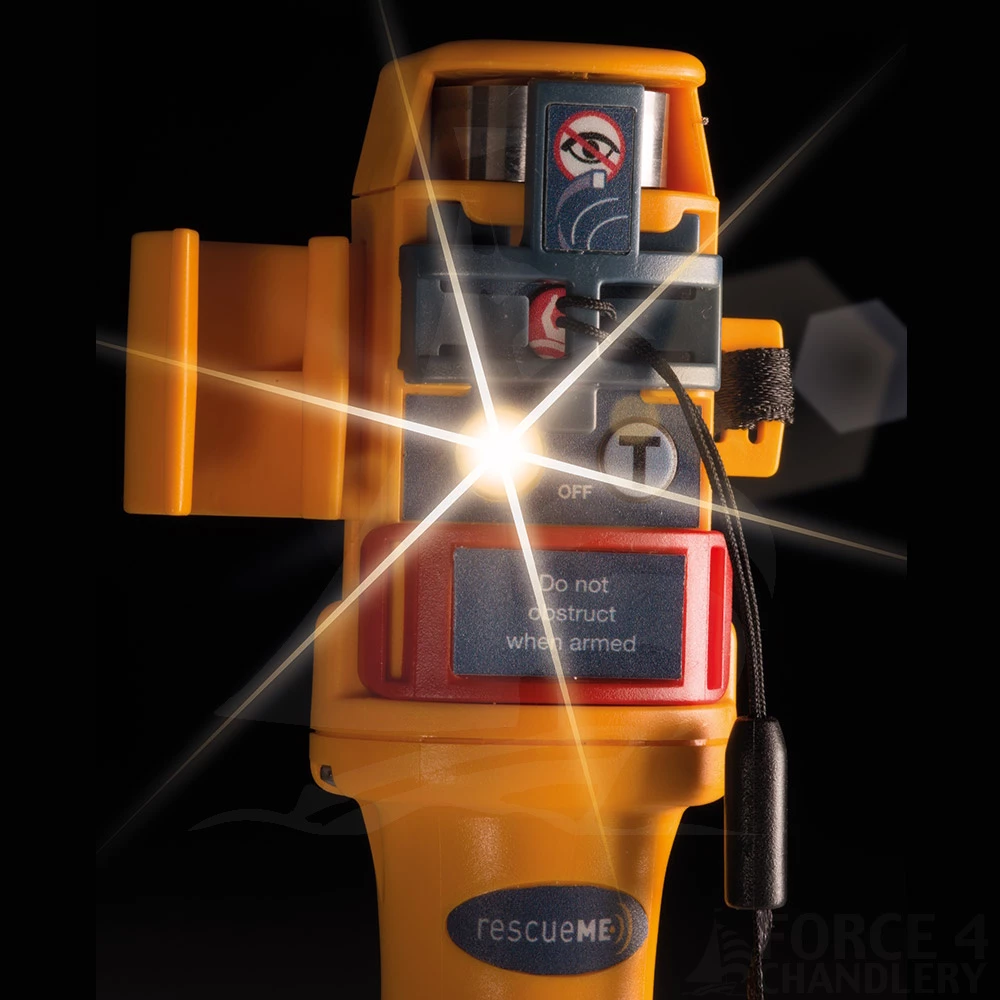
Some AIS MOB units also include a built-in strobe light for added visibility in low-light conditions.
Who Are AIS Beacons Designed For?
AIS Beacons are best suited to crew-overboard scenarios where the remaining crew is able to initiate recovery. They are ideal for:
- Offshore yacht crews and racers
- Sailing couples or small crews
- Commercial vessels with AIS receivers onboard
- Vessels operating in busy waterways
It is now a requirement for commercial ships and many recreational vessels to carry AIS. AIS MOB devices can be an effective tool to quickly alert nearby boats to your location.
You can see just how many boats use AIS at websites like Marine Traffic
AIS Beacons vs EPIRBs & PLBs – What’s the Difference?
It’s important to understand how Personal AIS Beacons differ from EPIRBs and PLBs:
- AIS Beacons send a local signal to nearby AIS receivers.
- EPIRBs and PLBs transmit satellite alerts to global search and rescue services.
- AIS units rely on proximity. If no AIS-equipped vessels are nearby, your signal won’t be received.
That’s why many sailors choose to carry an AIS MOB device in combination with a PLB or EPIRB. This is especially the case when sailing short-handed or offshore.