Marine Wire Connectors & Terminals
12V Switches | Busbars & Terminal Blocks | Fuses & Circuit Breakers | Wire, Connectors & Terminals | Phone Chargers & Charging Accessories
Reliable electrical connections are essential for the safe operation of any boat's electrical system. Our range of marine electrical connectors and terminals covers 12V boat wiring. Shop from crimp, splice, heat shrink and battery terminals — chosen to handle salt environment.
Marine wire connector and terminals do a better job of taking into account the onboard vibration and constant flexing. They provide you a stronger and more secure connection on board in ways standard electrical components aren't built for.
Choosing the right connector type
Crimp terminals
These are standard choice for most jobs — fast to fit, and a proper crimp gives a solid mechanical and electrical joint.
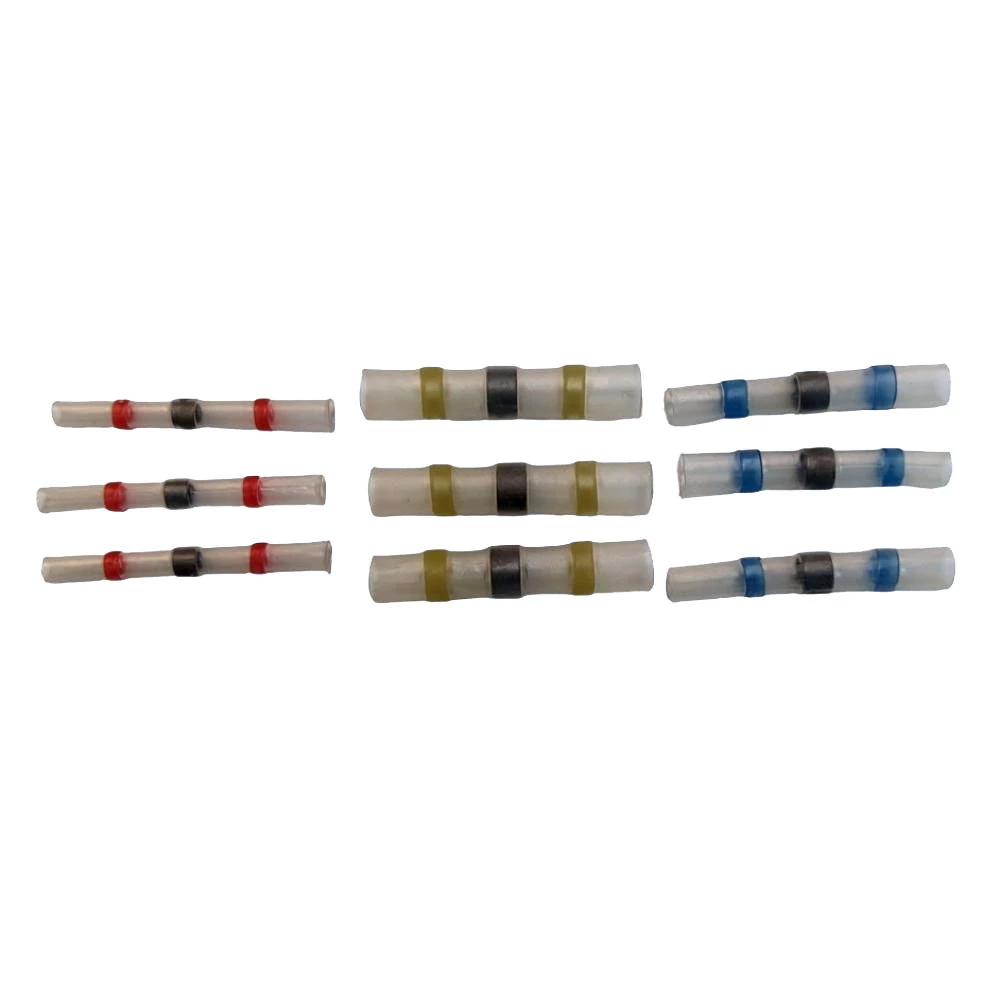
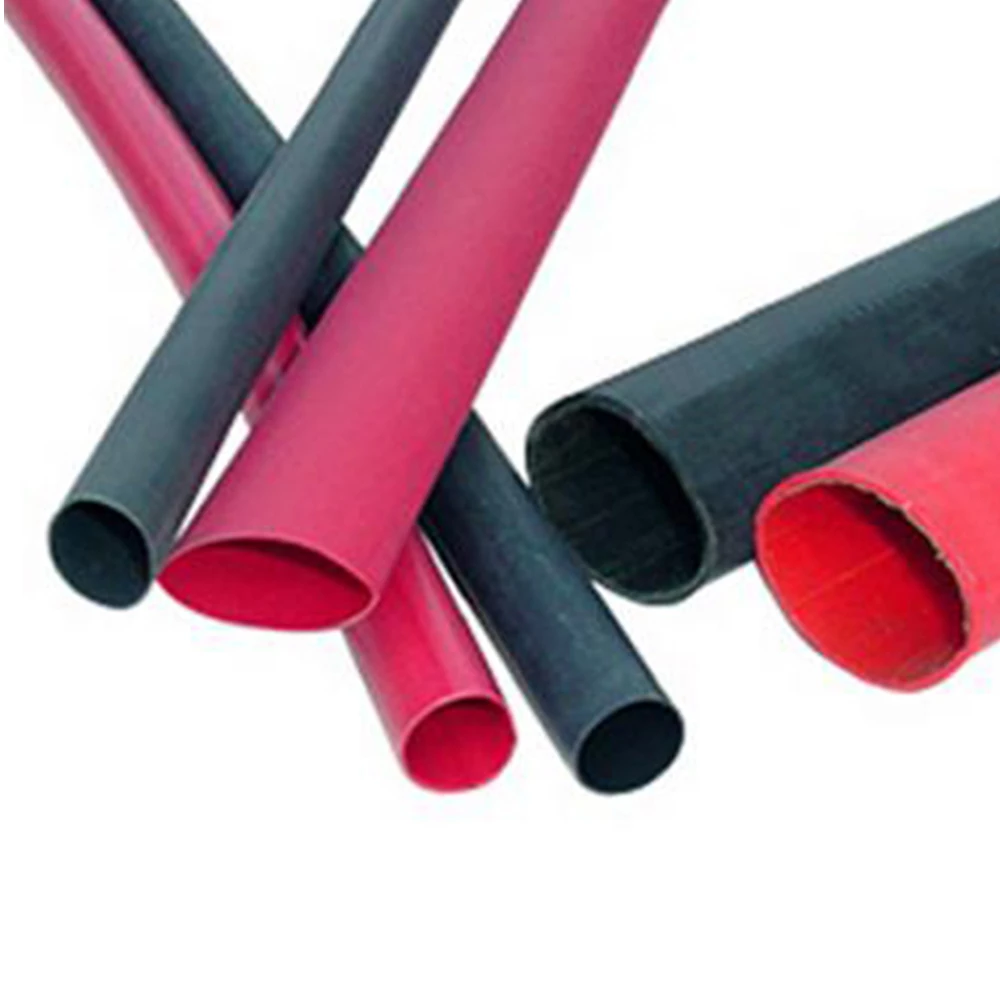
Heat shrink terminals
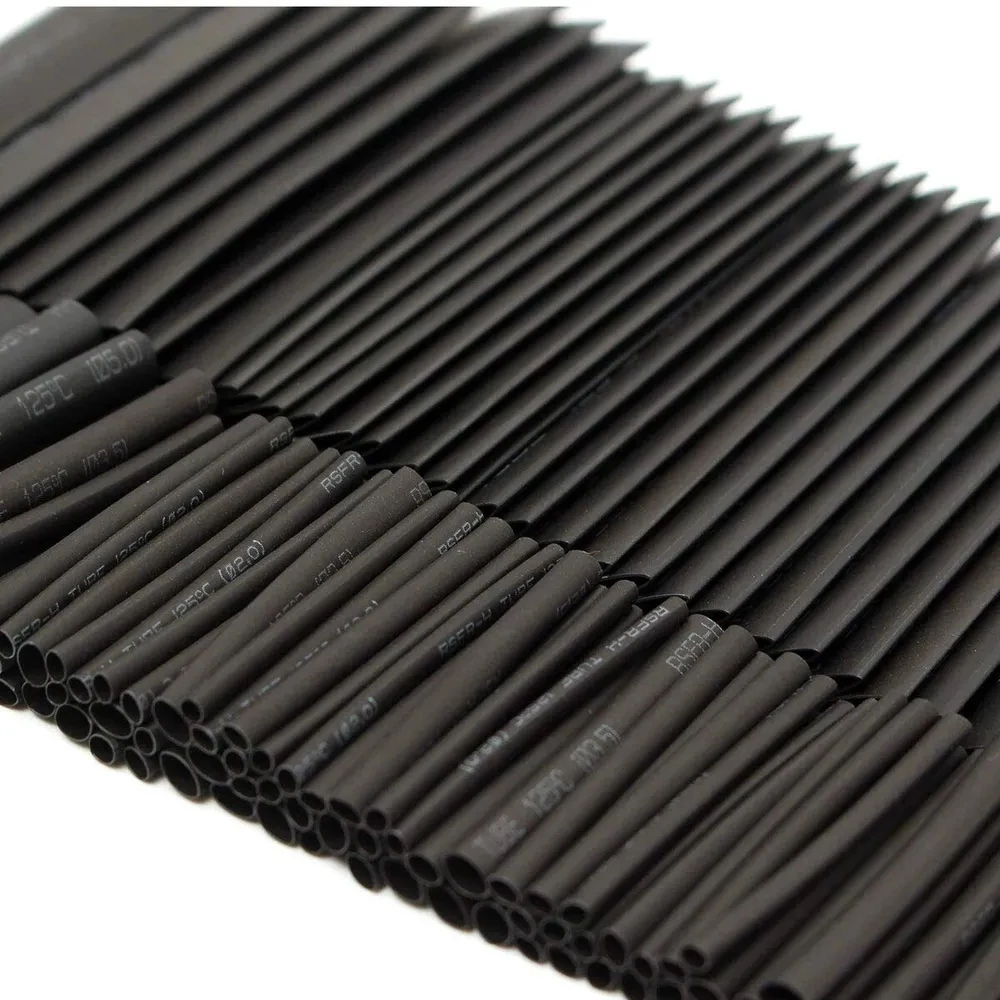
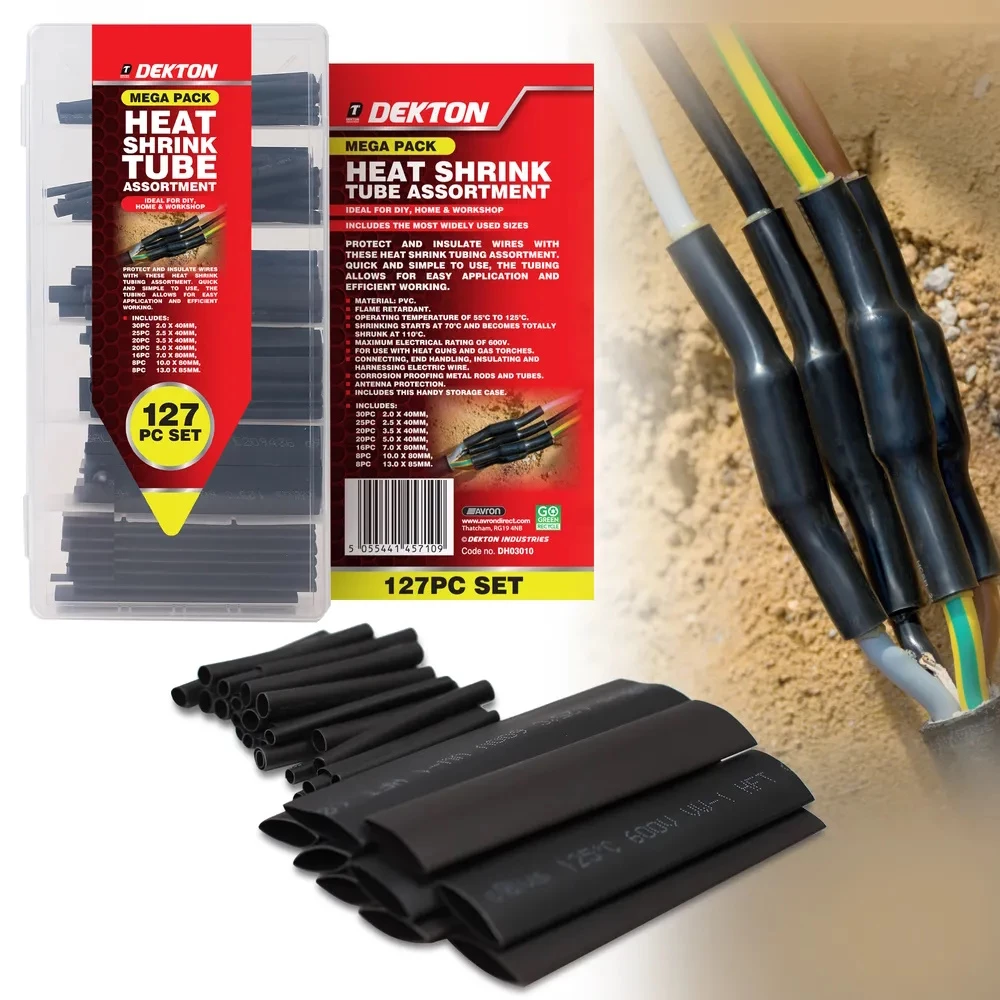
The same as a crimp terminal but with an added a waterproof, adhesive-lined seal on top. They are using anywhere near the bilge, engine bay or exposed deck wiring.
Soldered Joints
These offer the lowest resistance connection, but they're rigid and vulnerable to vibration. They're best paired with heat shrink rather than left exposed on their own.
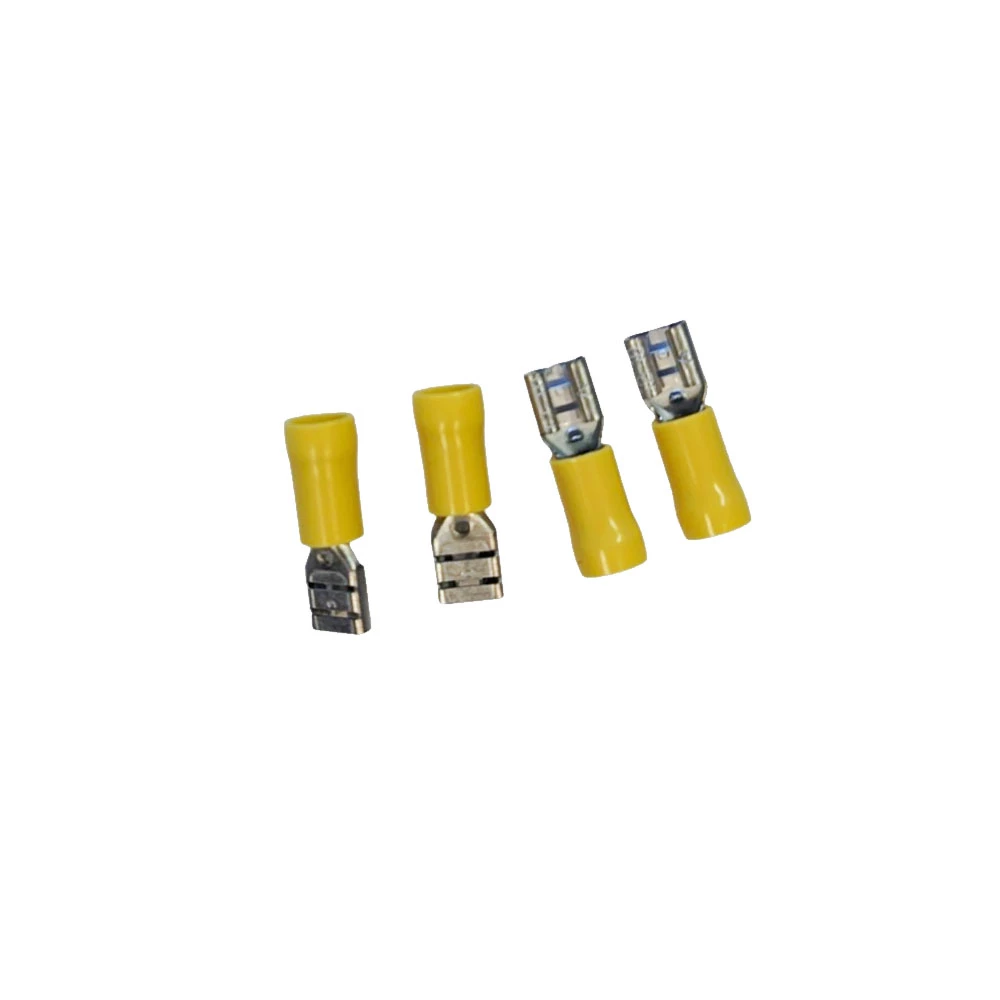
Spade and Bullet Terminals
They are quick-release joints you may need to disconnect. Able to be removed to isolate a circuit. ;
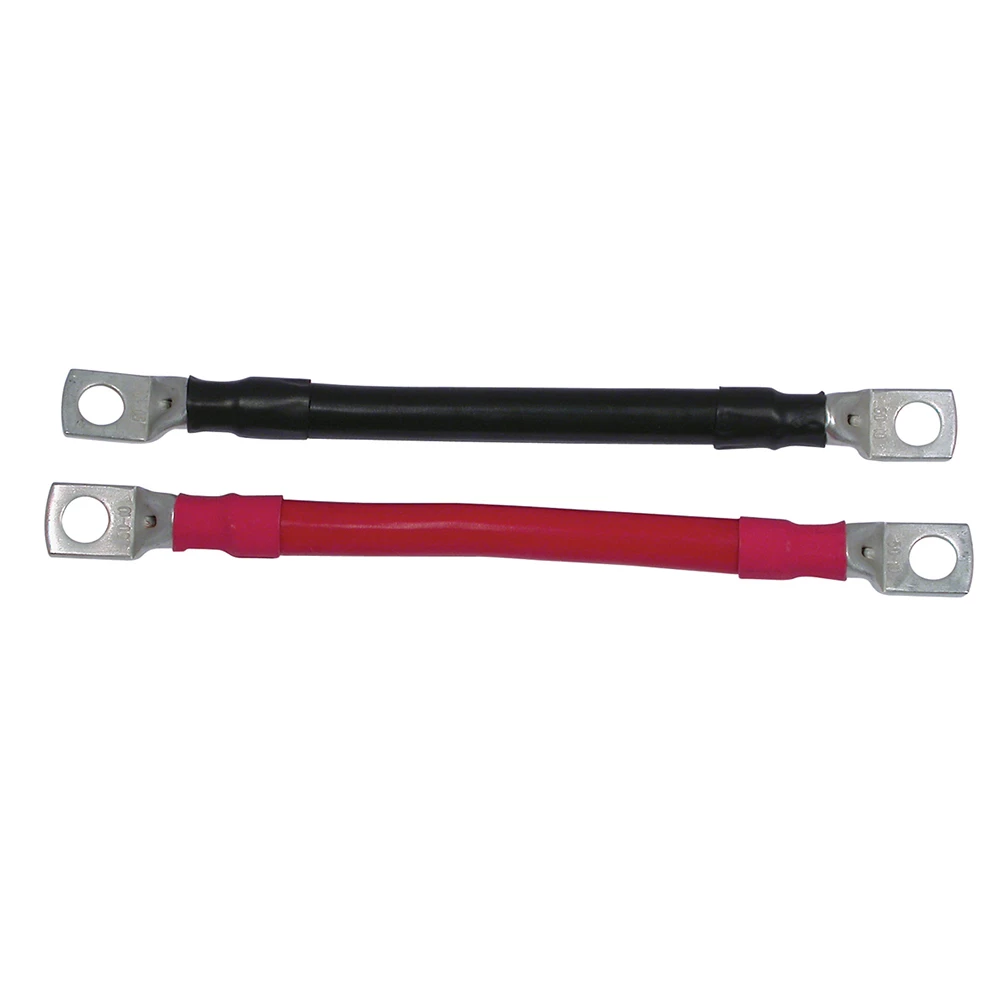
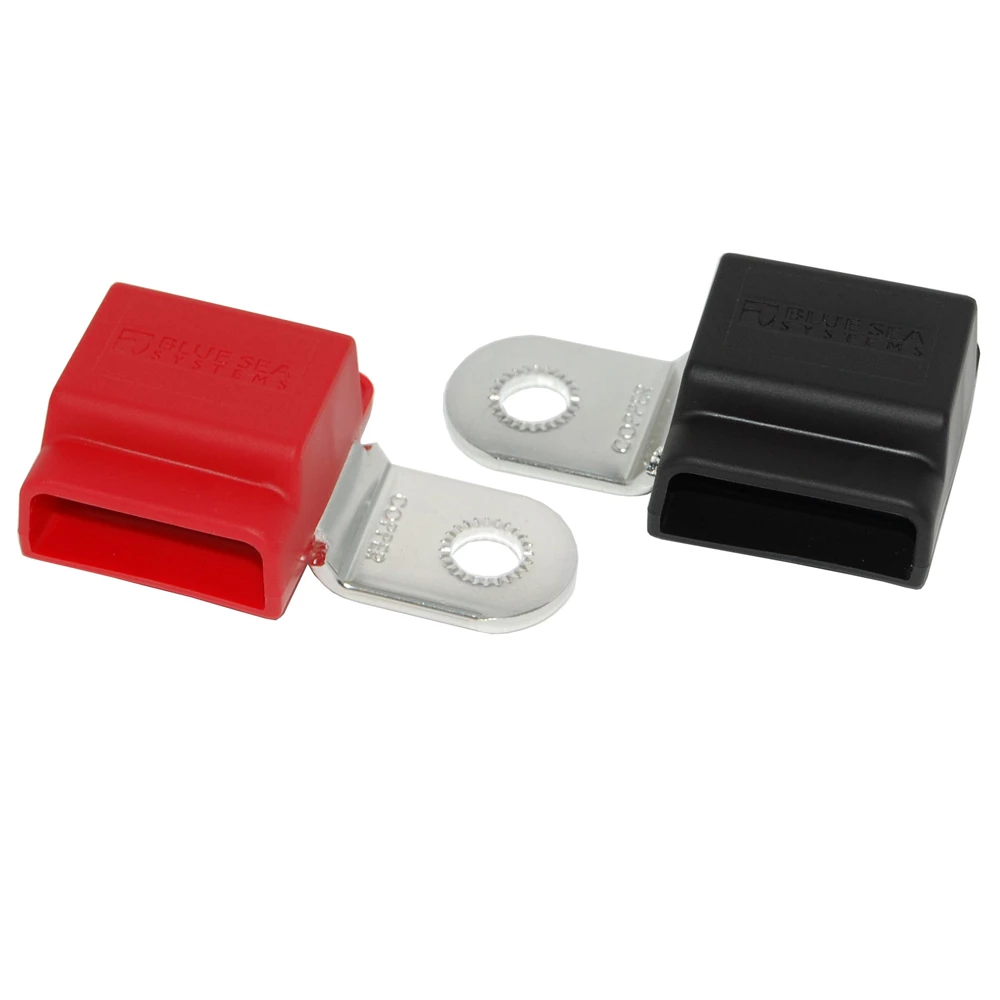
Ring Terminals
These are best suited a permanent, bolted connection.
Why marine grade matters
Standard electrical connectors corrode quickly in a marine environment — salt air reaches the metal even inside a dry locker. Marine grade terminals use tinned copper as standard, which resists corrosion significantly longer.
Frequently Asked Questions
What makes an electrical connector "marine grade"?
Marine grade connectors are built to resist the conditions standard electrical connectors aren't rated for — salt air corrosion, damp, and constant vibration. That typically means tinned copper contacts, and often a sealed or heat-shrink design to keep moisture out entirely.
Can I use standard electrical connectors on a boat?
You can, but they'll corrode far faster than marine grade equivalents — untinned copper terminals can start showing corrosion within months in a damp locker or engine bay. For anything safety-critical (bilge pumps, navigation lights, engine wiring) it's worth paying the difference.
Which electrical terminal should I choose?
The correct terminal depends on the application. Ring terminals are widely used for batteries and busbars, butt connectors join two cables together, while spade and bullet connectors are useful where components need to be disconnected for maintenance.
Do I need waterproof electrical connectors on a boat?
Anywhere near the bilge, engine bay or exposed wiring runs, yes. Heat shrink terminals with an adhesive lining seal the joint against moisture; standard crimp terminals without heat shrink are better reserved for dry, protected locations.