Rope Clutches
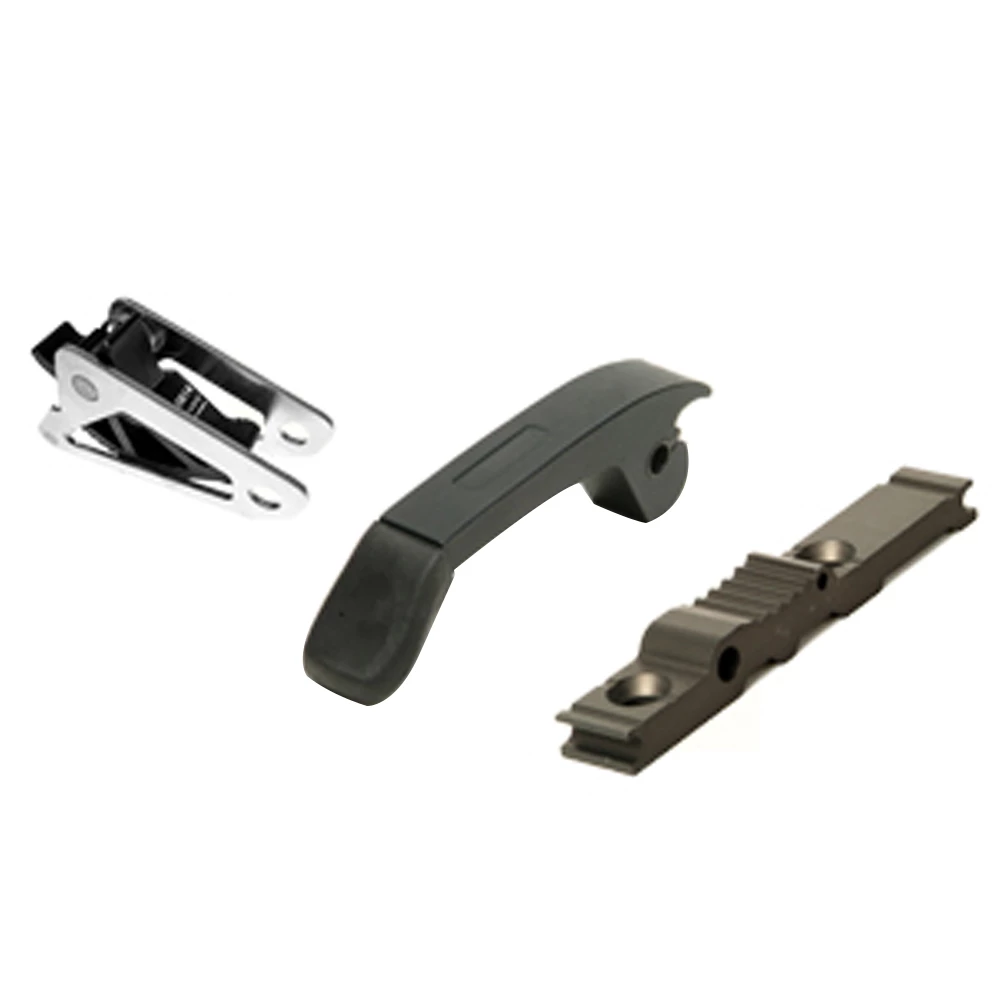
Rope clutches are essential for leading halyards and control lines safely back to the cockpit. Using a lever‑operated cam, they grip the rope securely under load while still allowing controlled release. This frees up your winches and makes sail handling smoother and more efficient.
What are Rope Clutches?
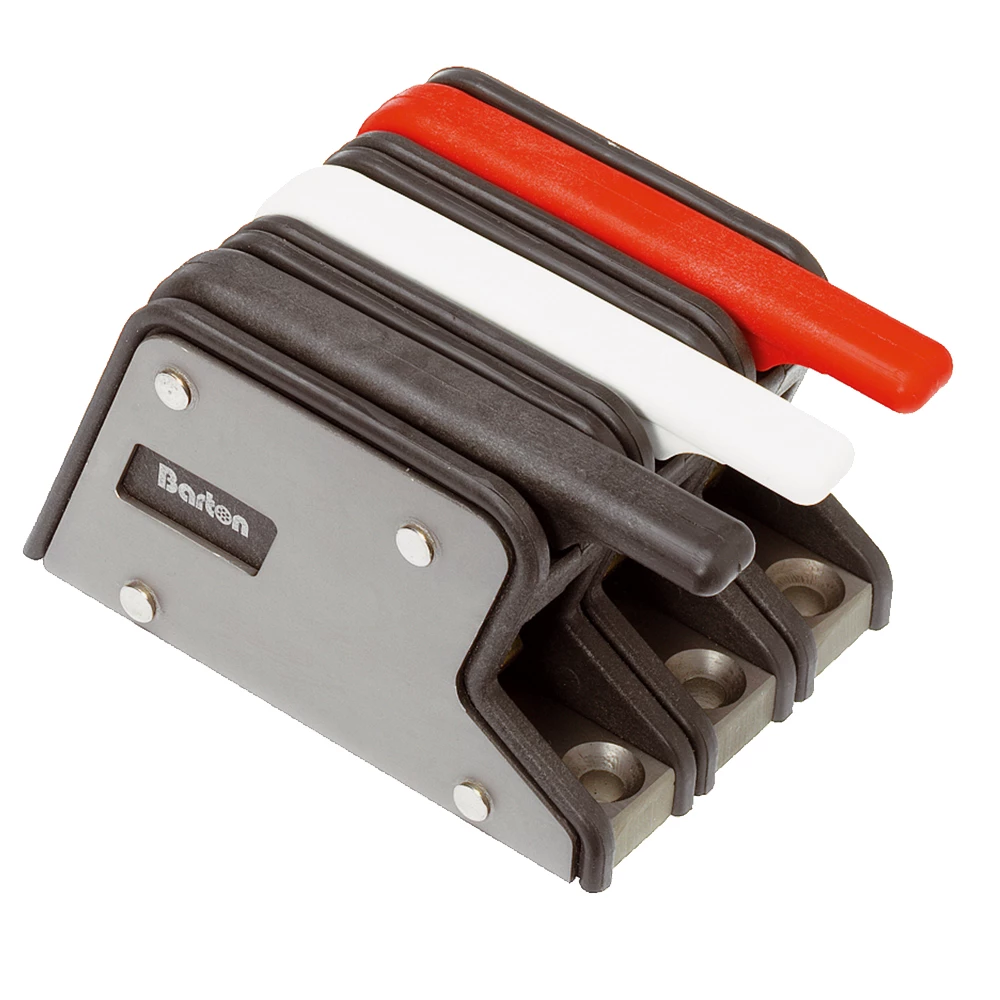
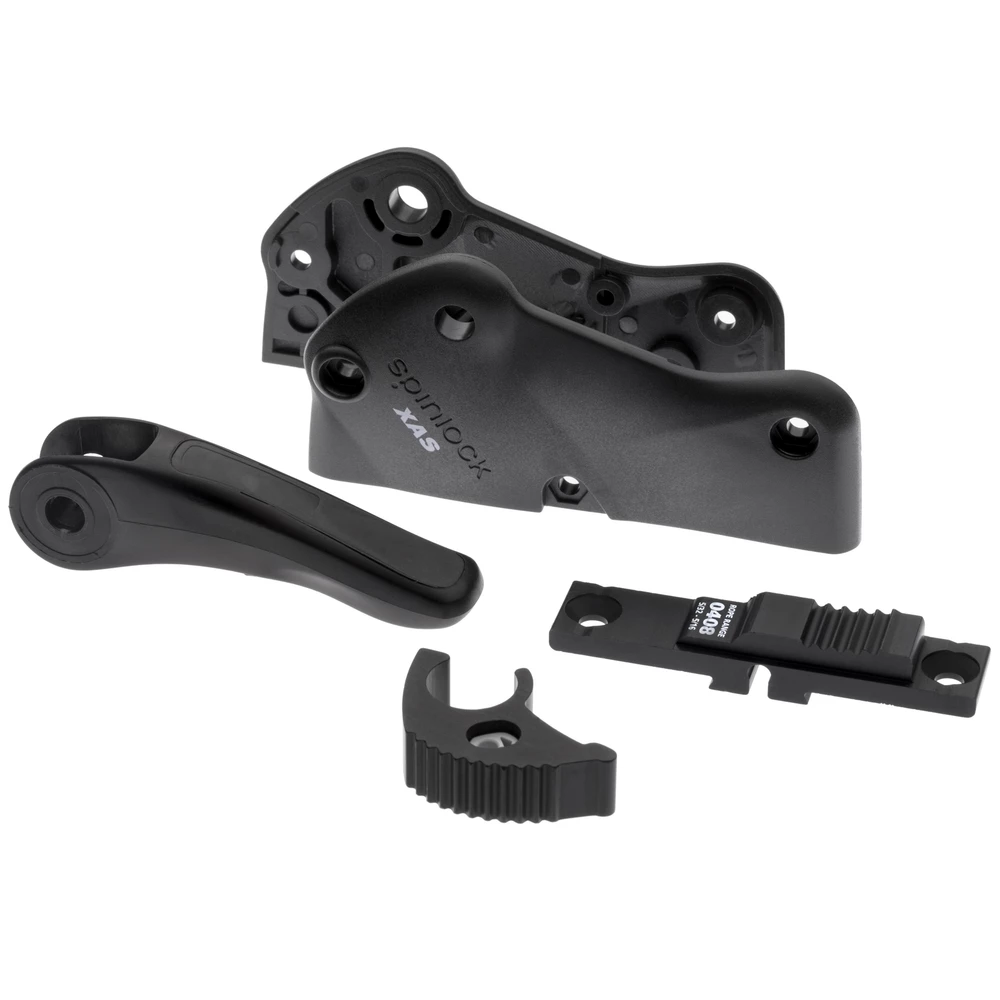
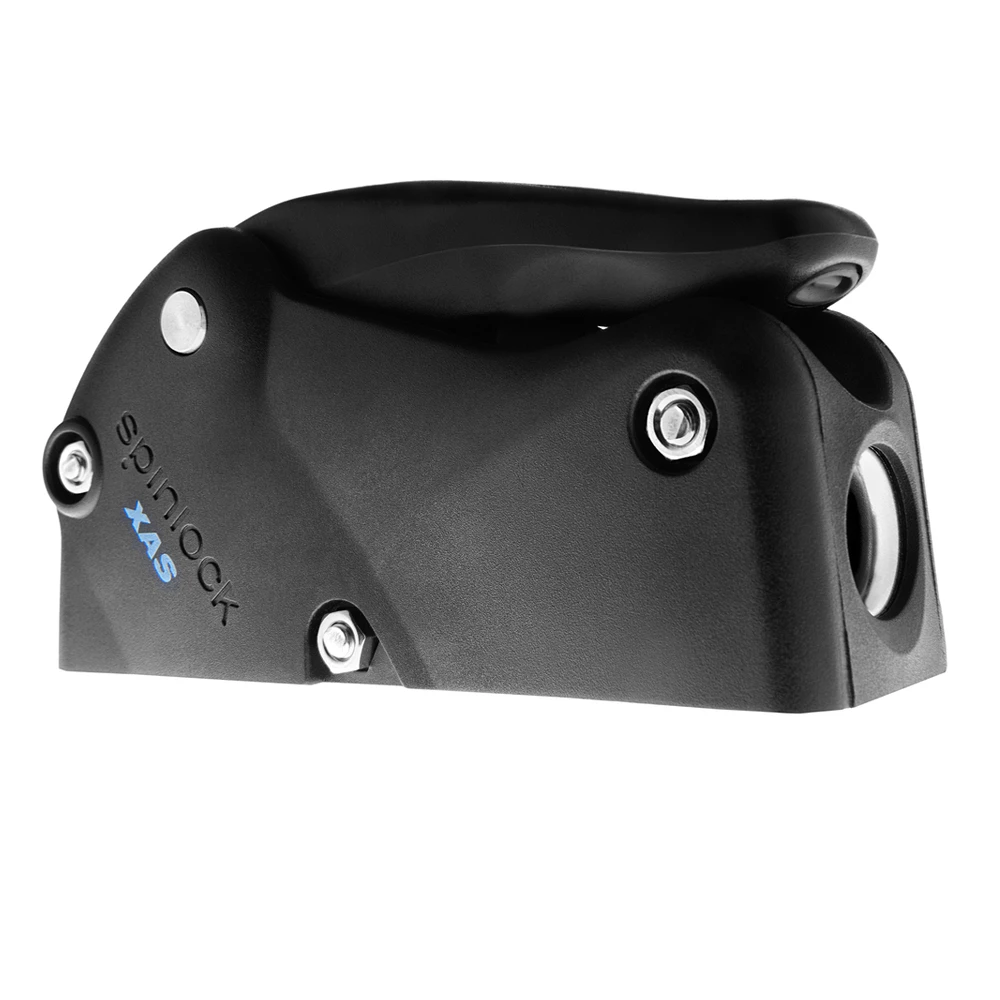
Unlike a traditional cam-cleats, a rope clutch uses a lever-operated mechanism to grip and secure a line. Rope can be pulled through in one direction with the lever down, allowing for adjustment under load. They grip the rope securely when the load pulls in the opposite direction.
Then they will allow a controlled release thanks to the lever action of the cam. Freeing up your winches for other tasks and making sail handling smoother and more efficient.
Choosing the Right Rope Clutch Configuration
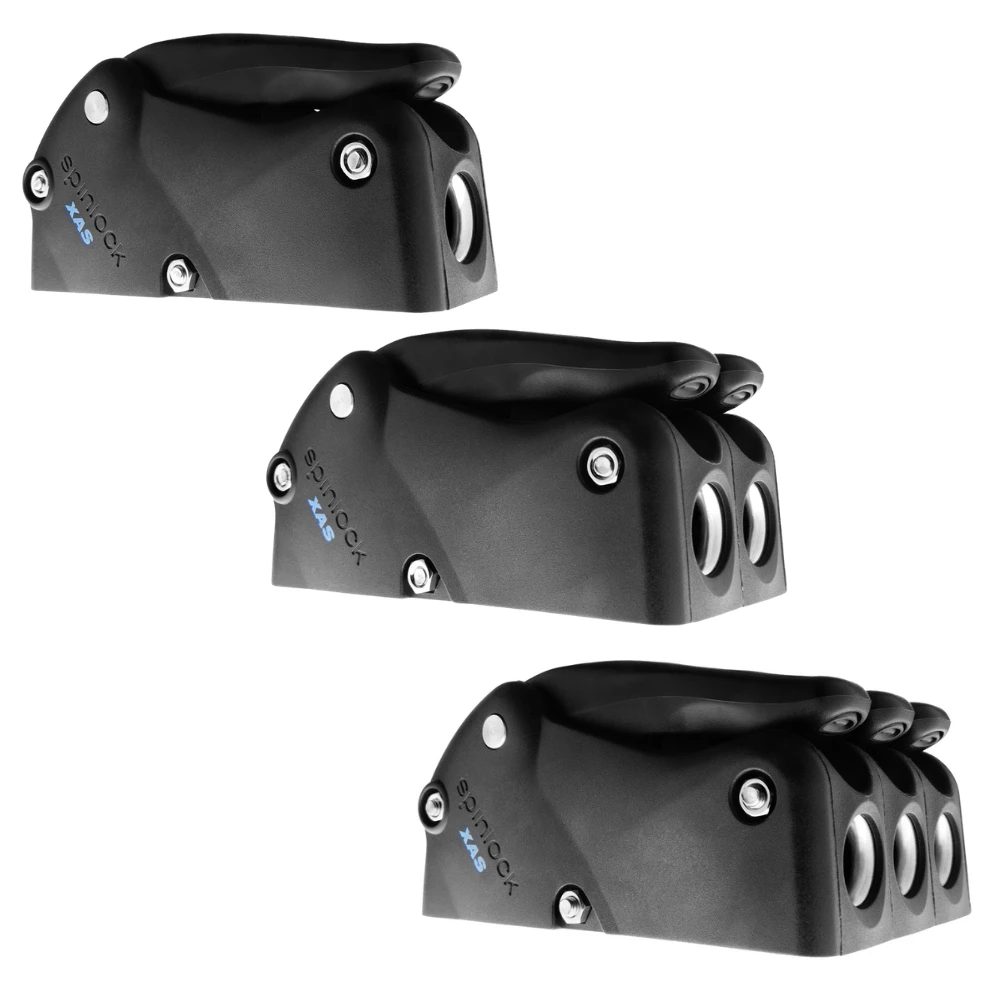
- Single clutches — ideal for isolated halyards
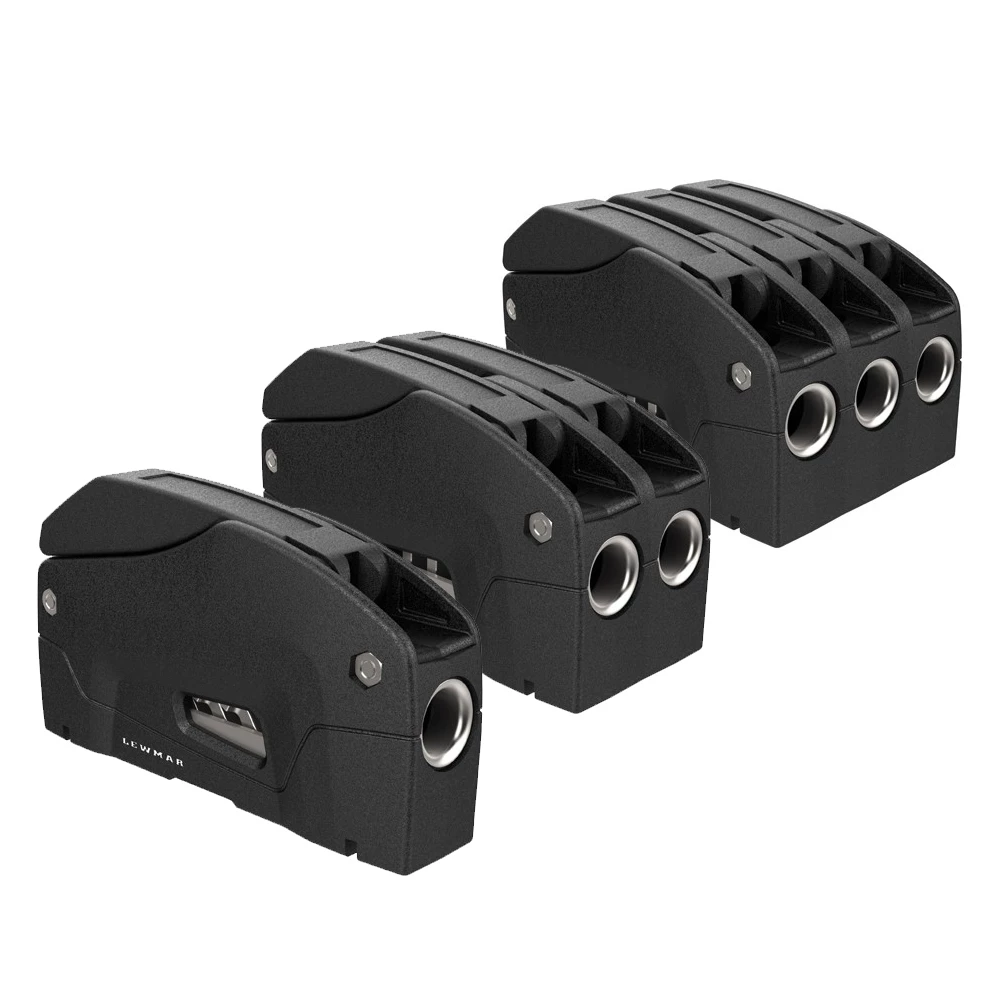
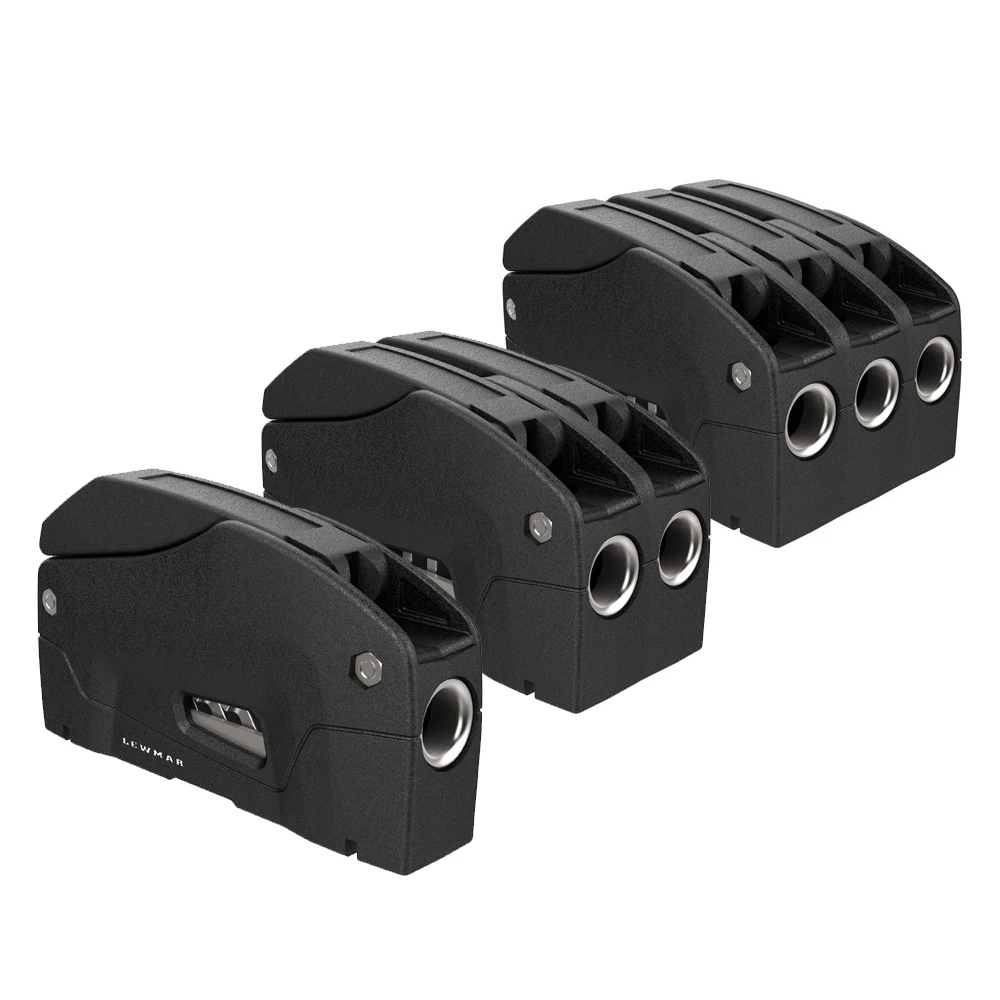
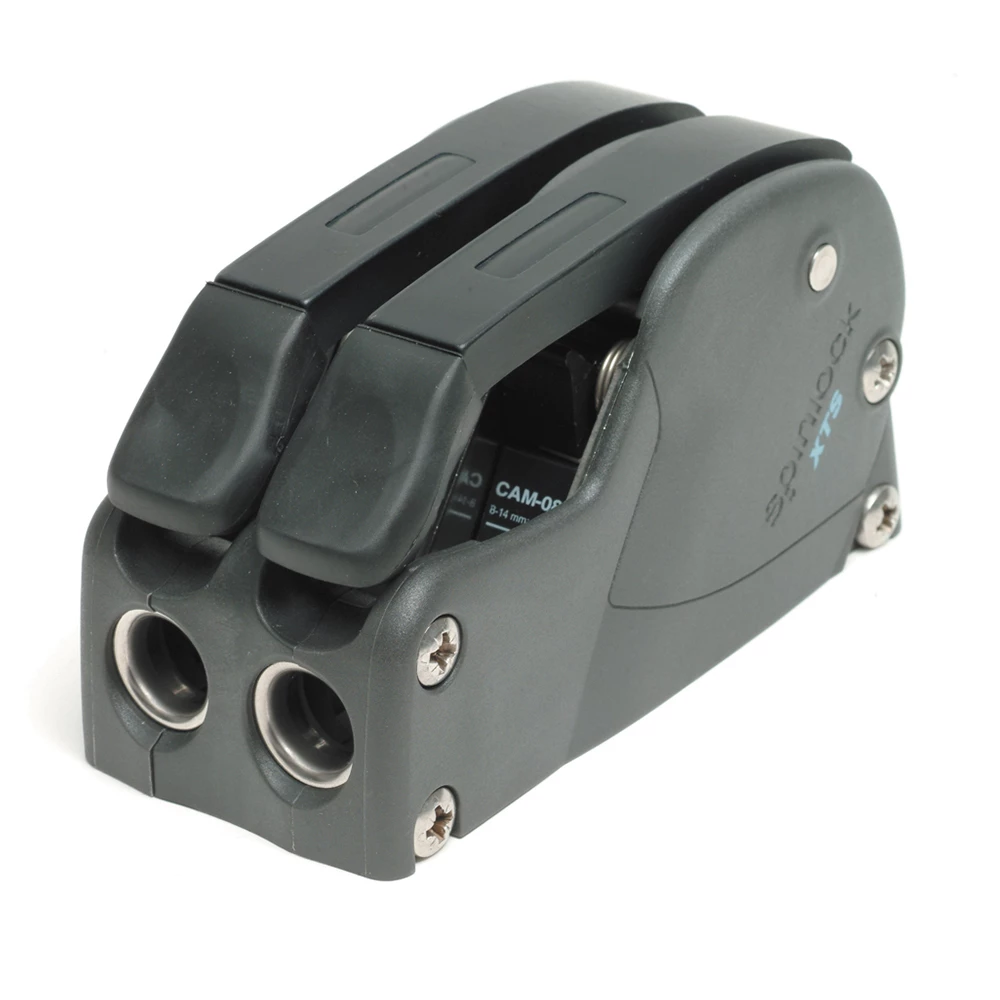
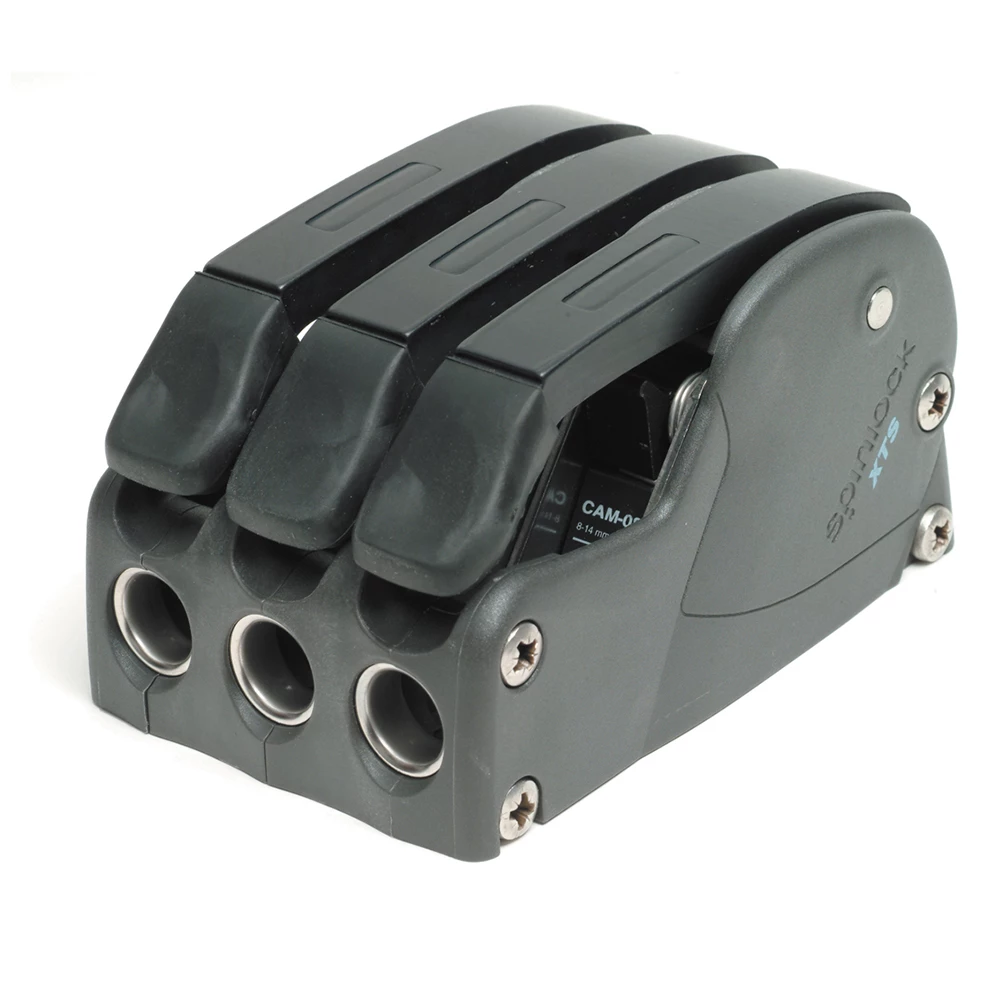
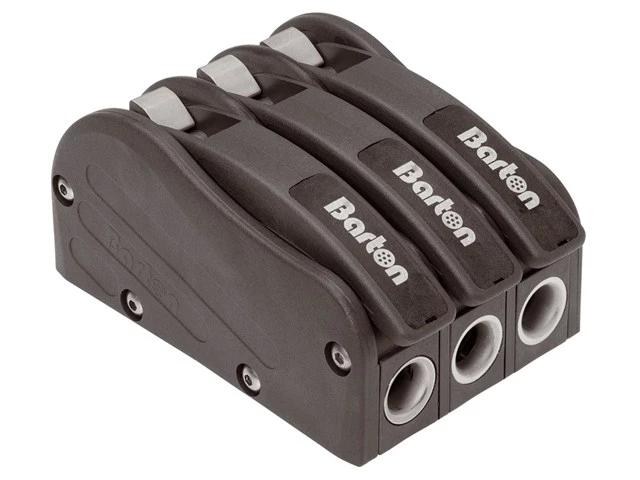
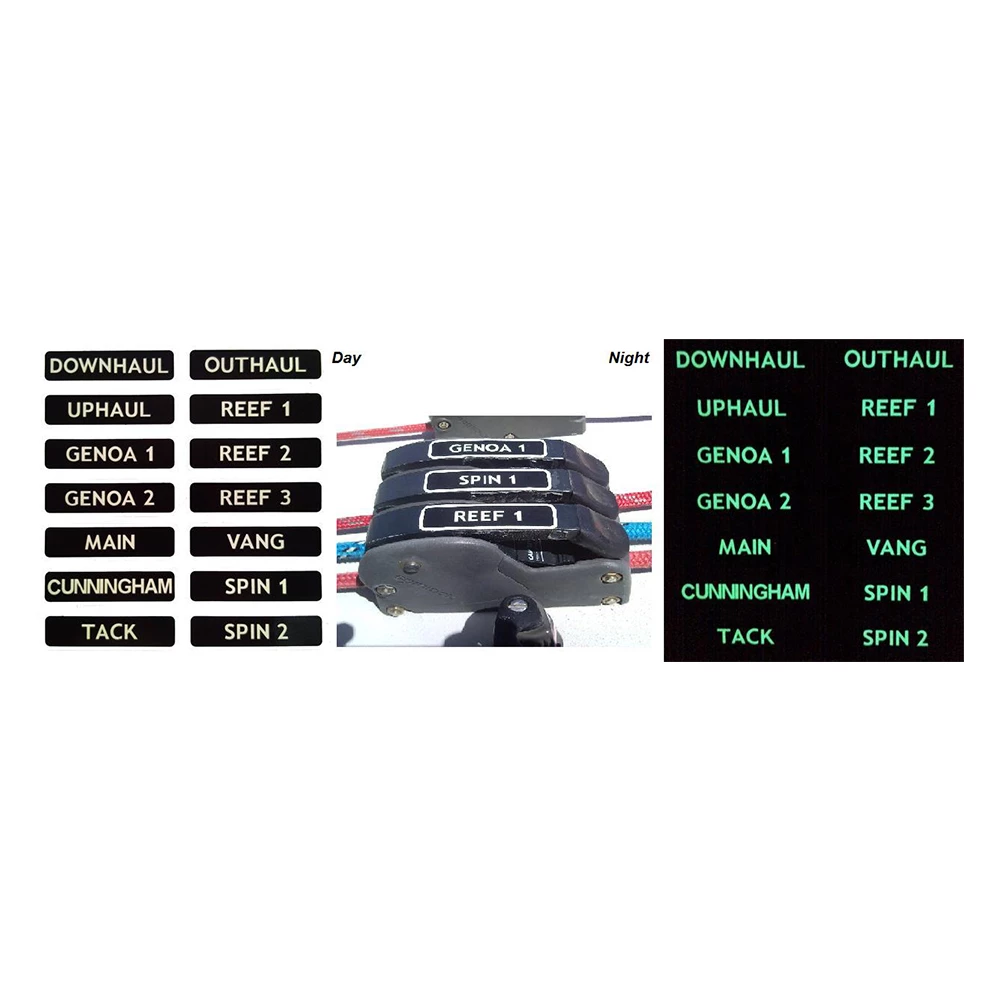
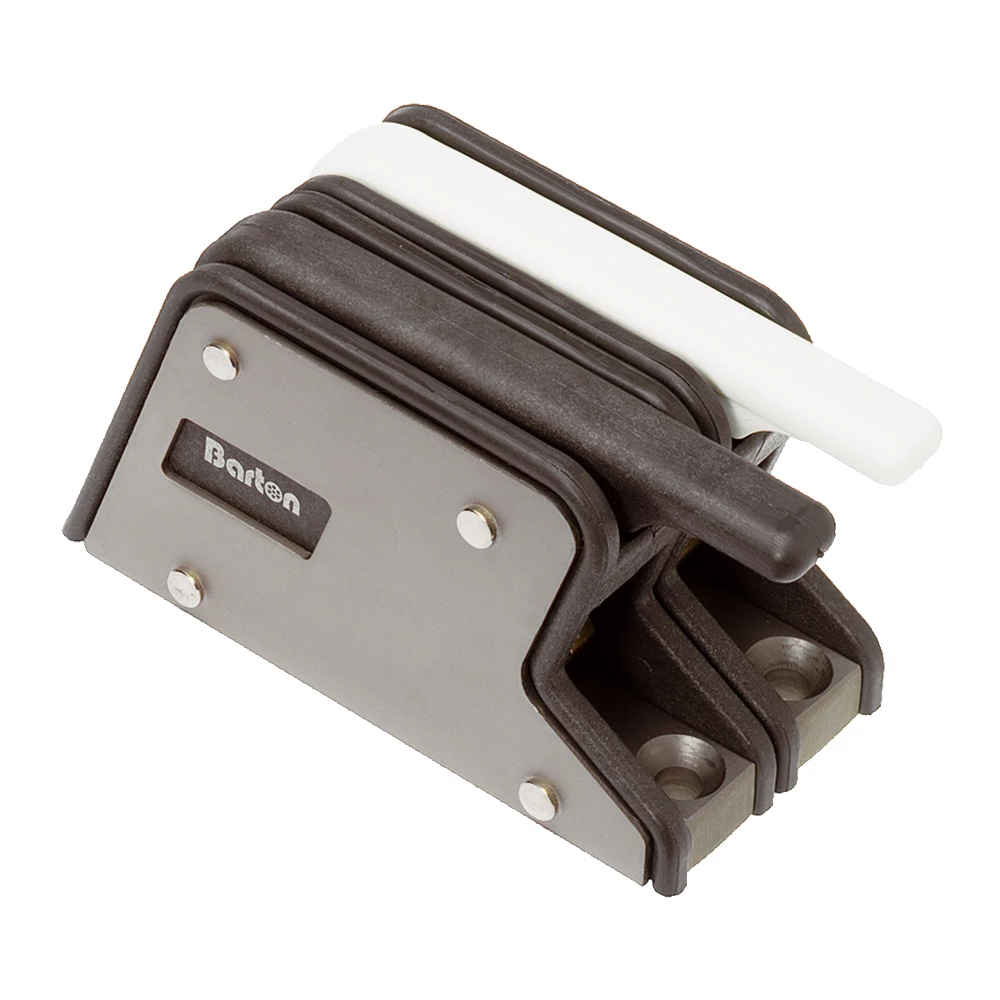
- Double / triple clutches — tidy multiple lines at the coachroof
- High‑load models — reinforced cams for modern low‑stretch ropes
- Ergonomic levers — smoother release under load
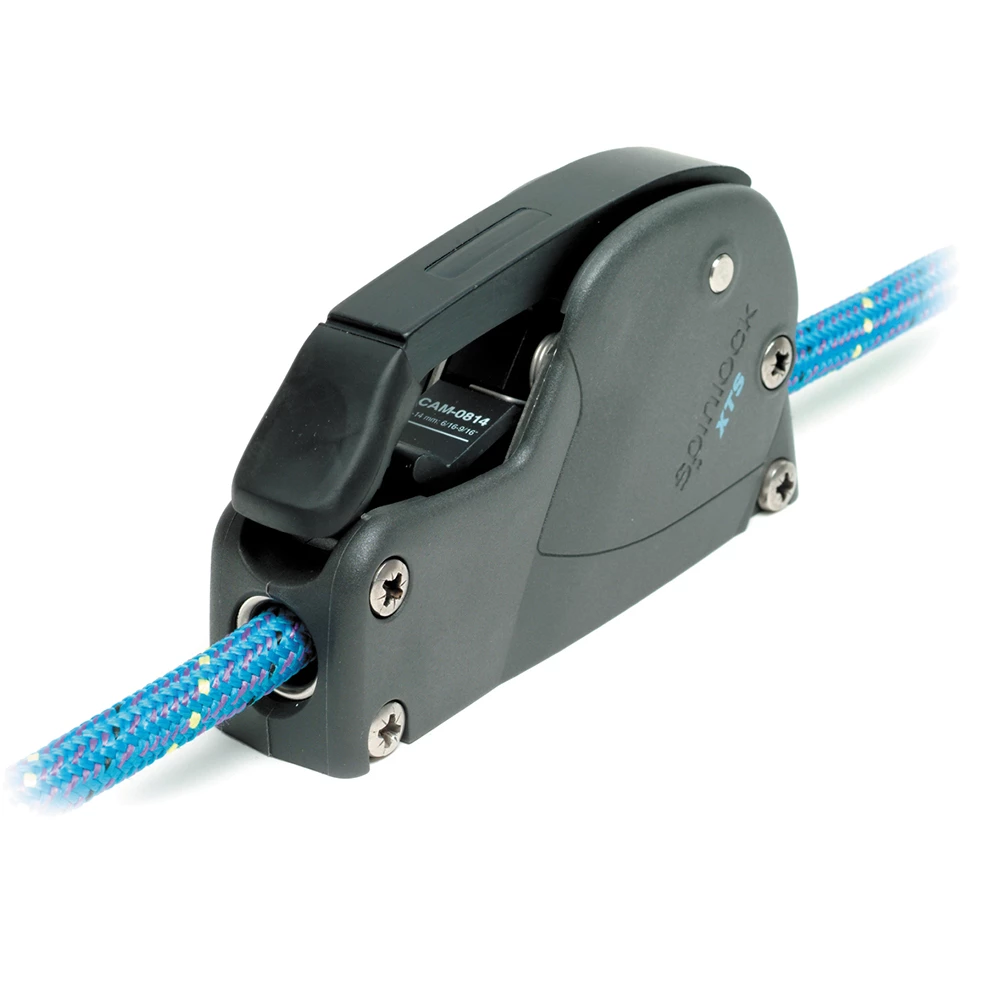
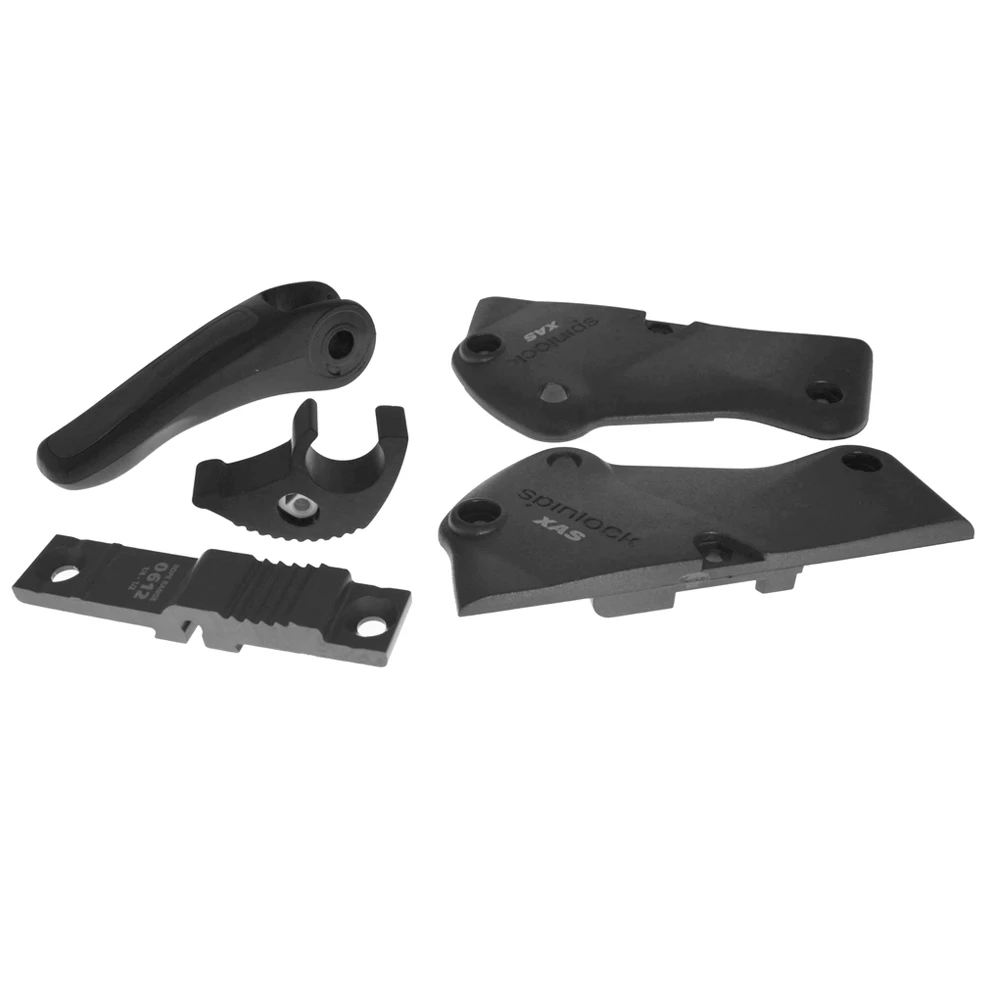
Spinlock Rope Clutches: XAS, XTS & High-Load Series
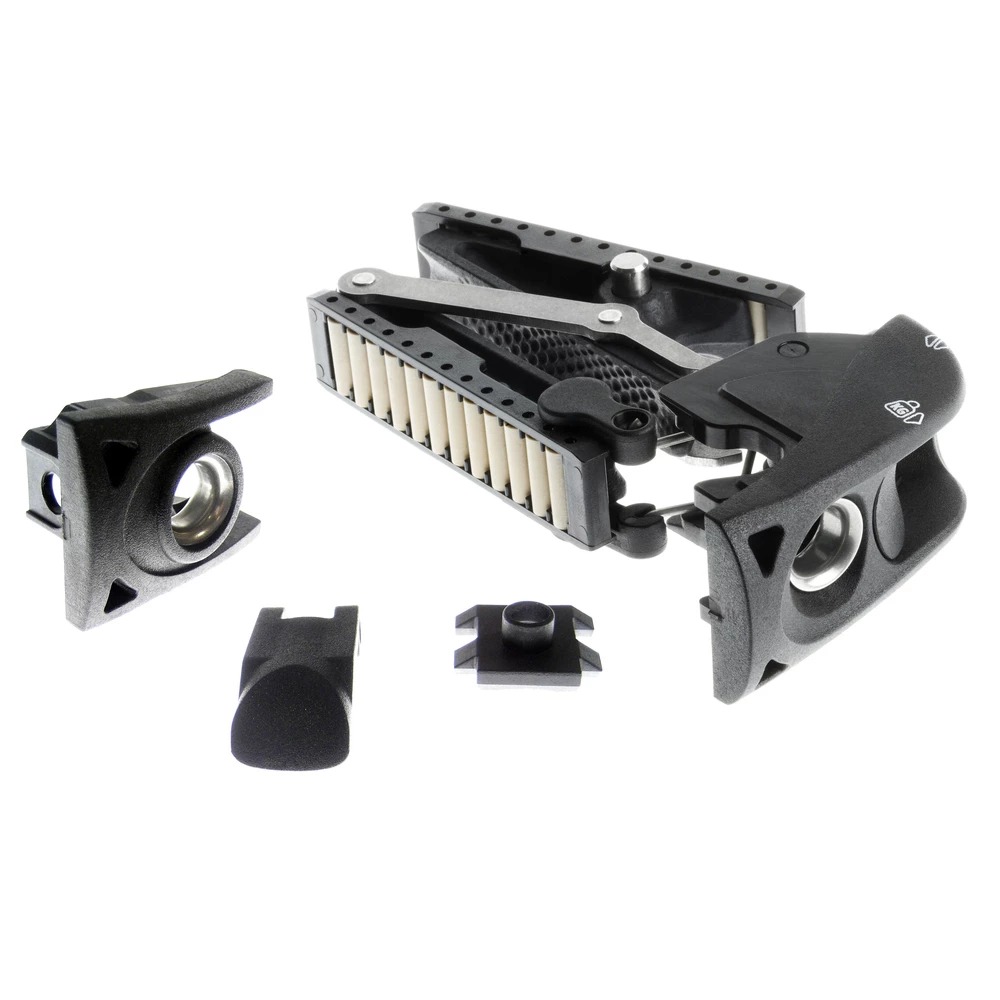
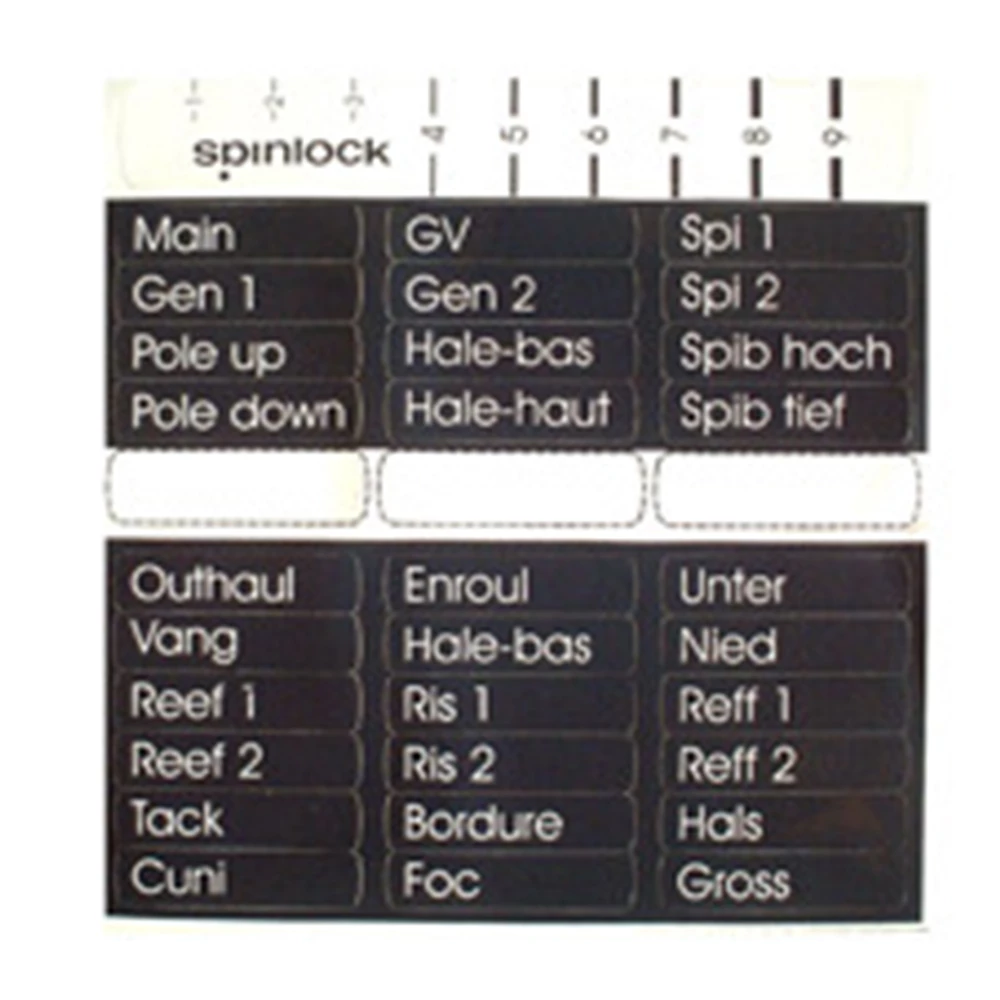
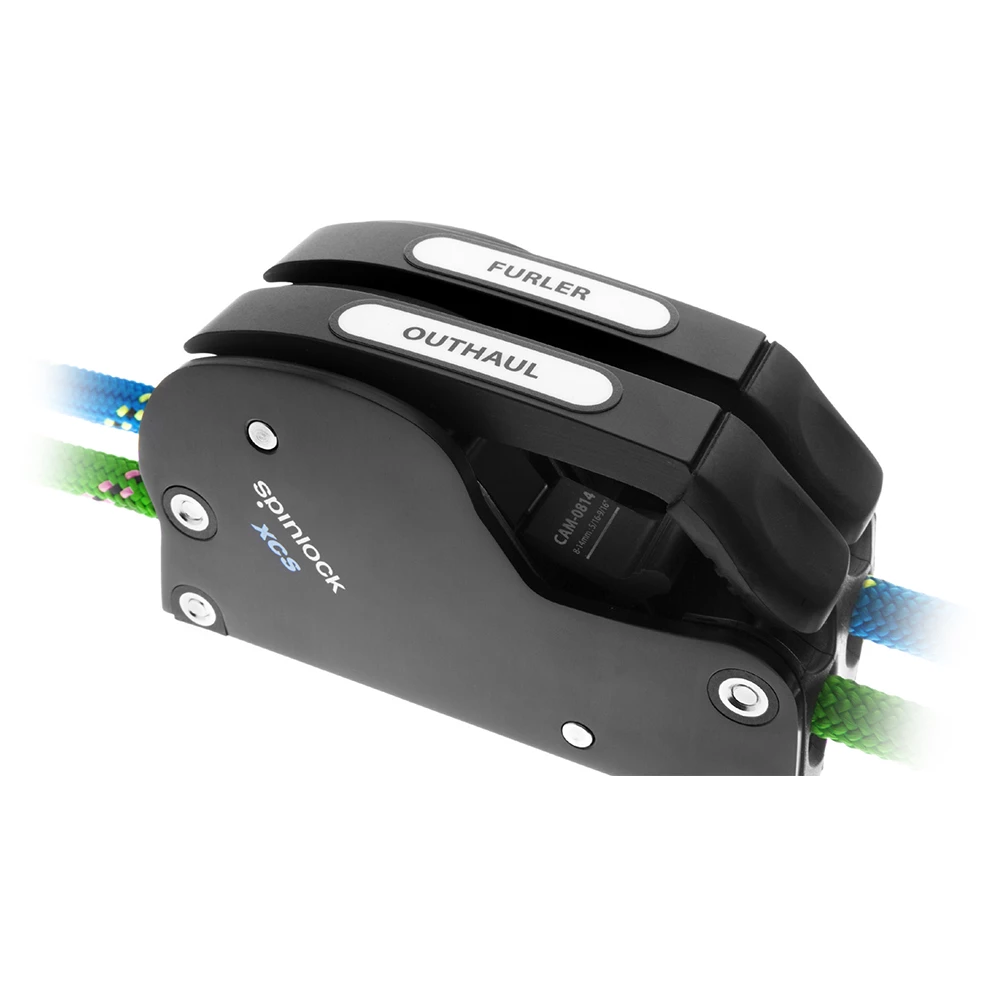
As the industry standard for line management, the Spinlock range satisfies every level of sailing. The Spinlock XAS series (handling lines from 4-12mm) is perfect for small-to-mid-sized yachts and high-performance dinghies. For higher safe working loads and larger racing or cruising vessels, the Spinlock XTS and XCS series (8-14mm). These models utilise advanced ceramic jaws to maximise grip on modern, sleek braided lines without causing rope wear.
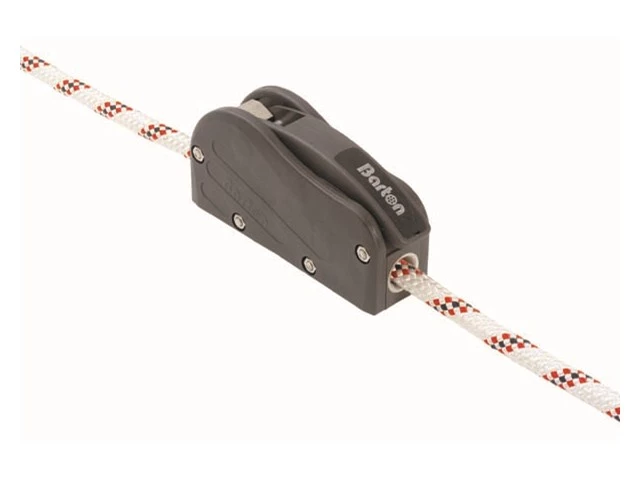
Lewmar & Barton Rope Clutches
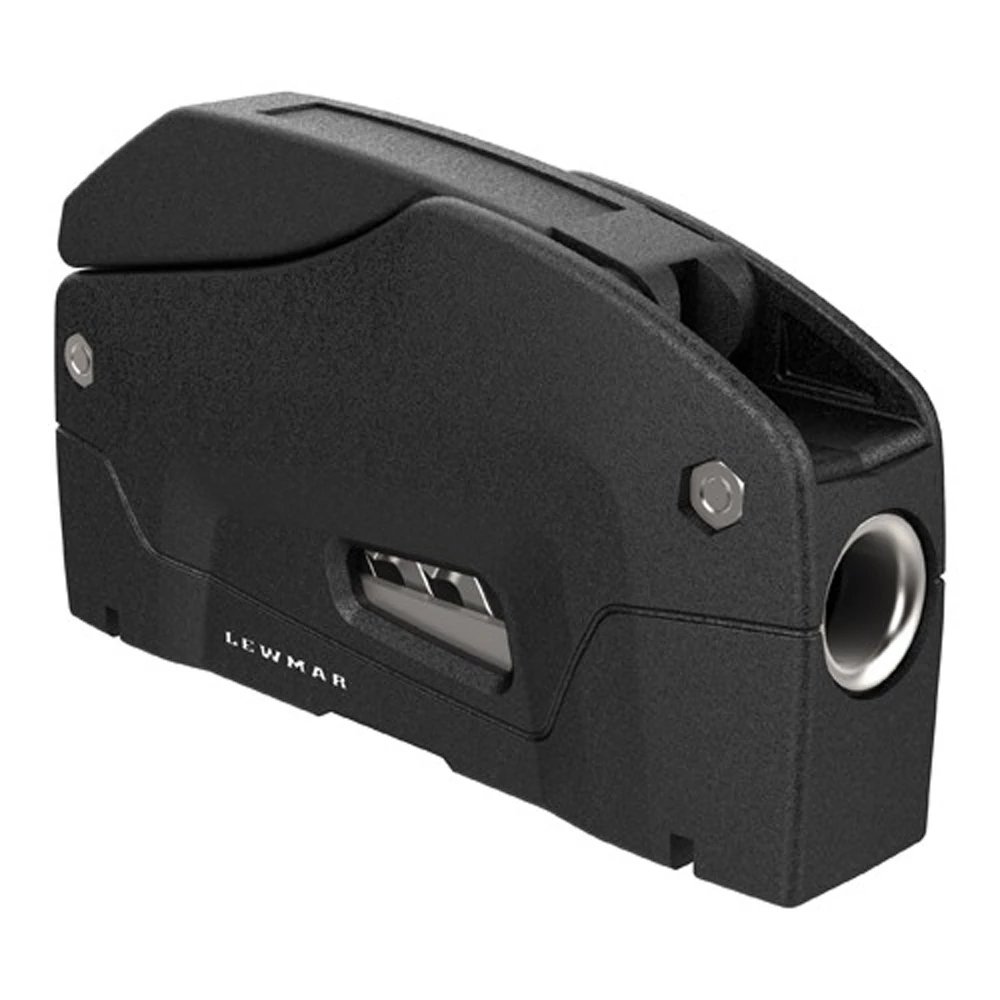
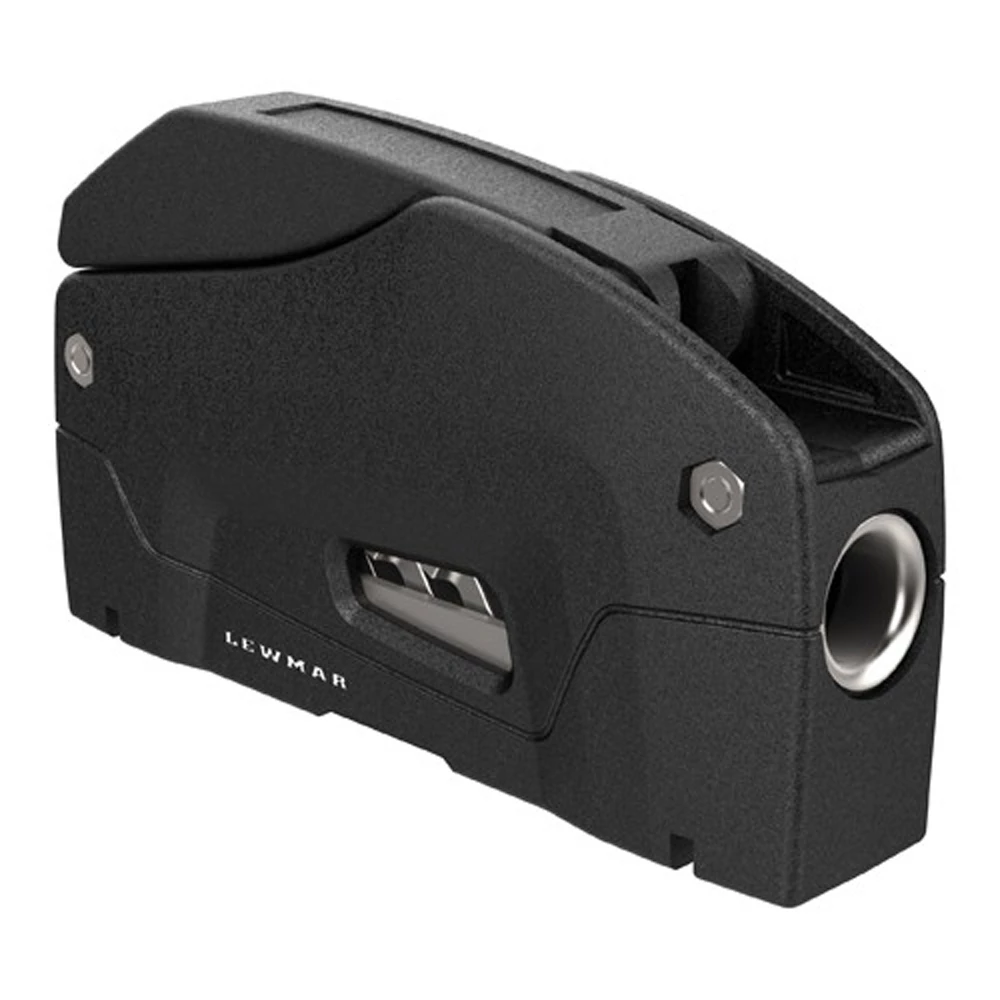
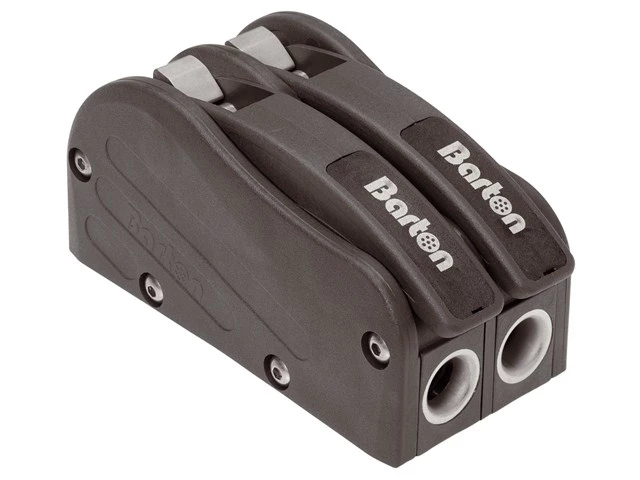
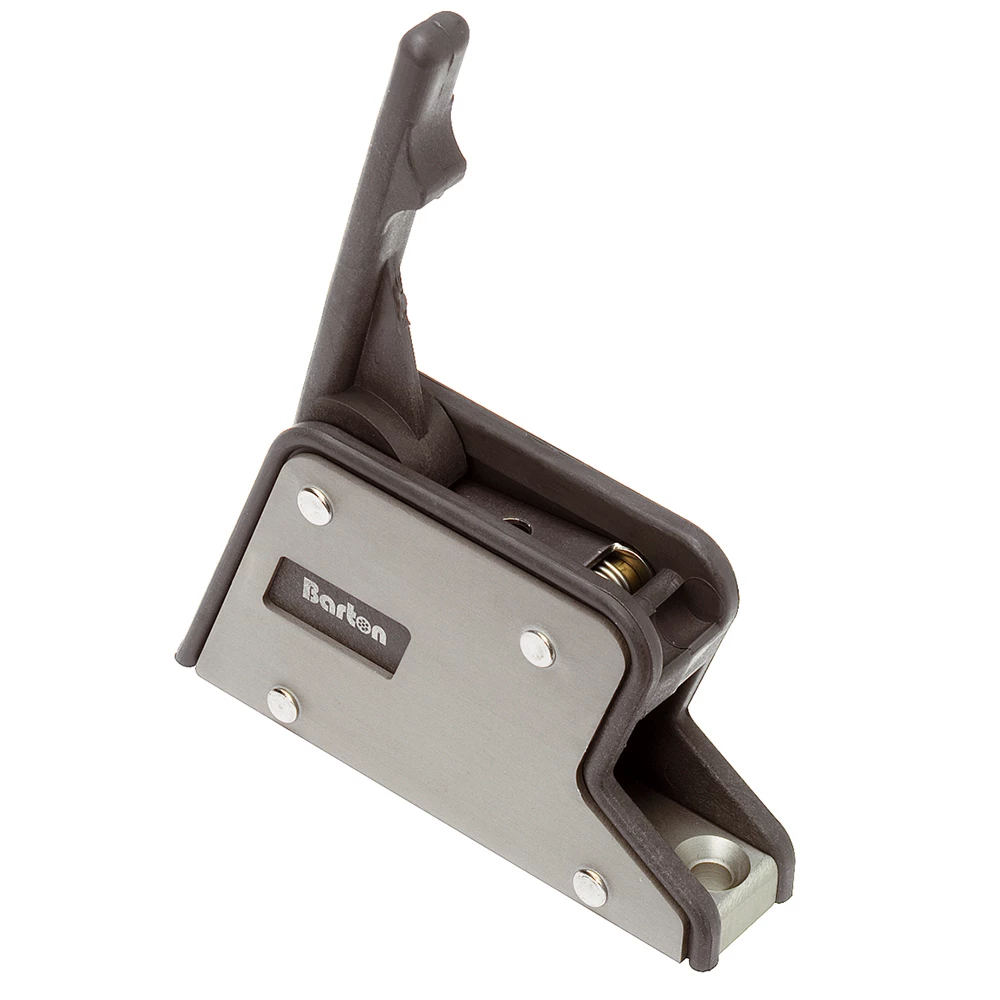
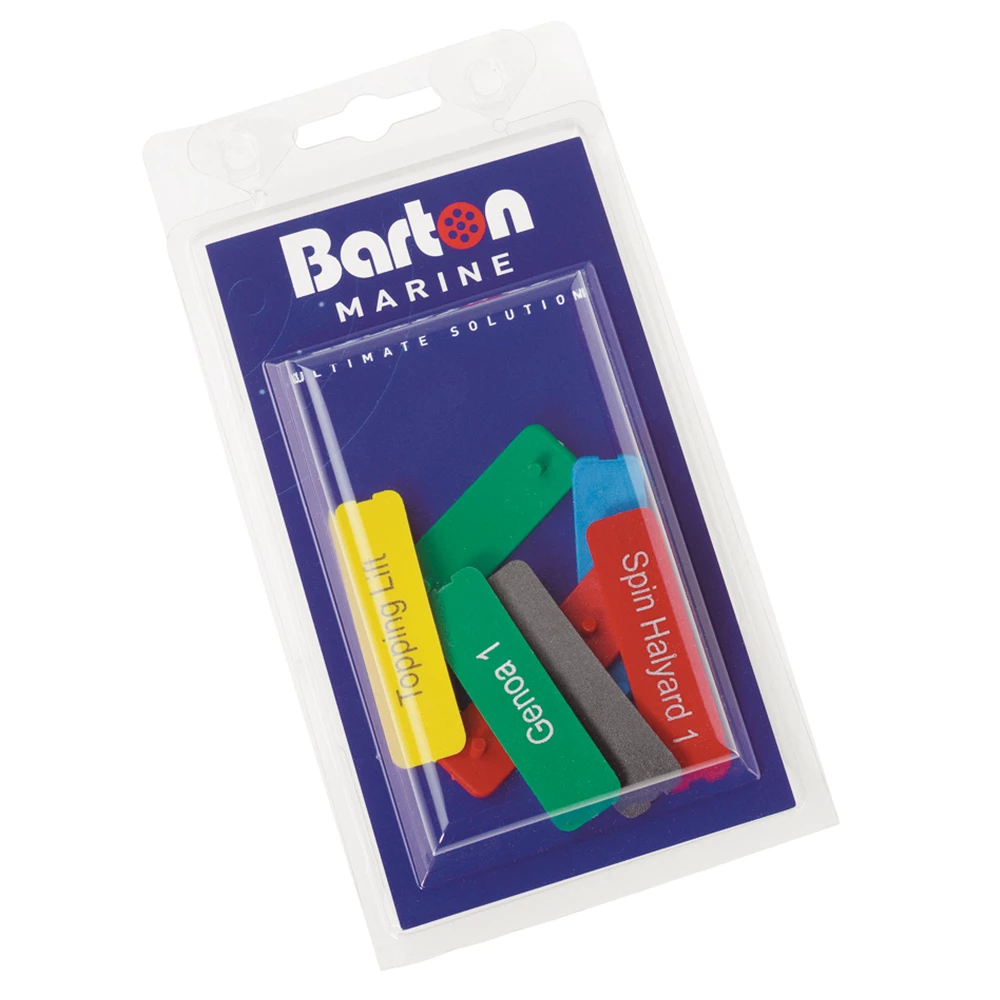
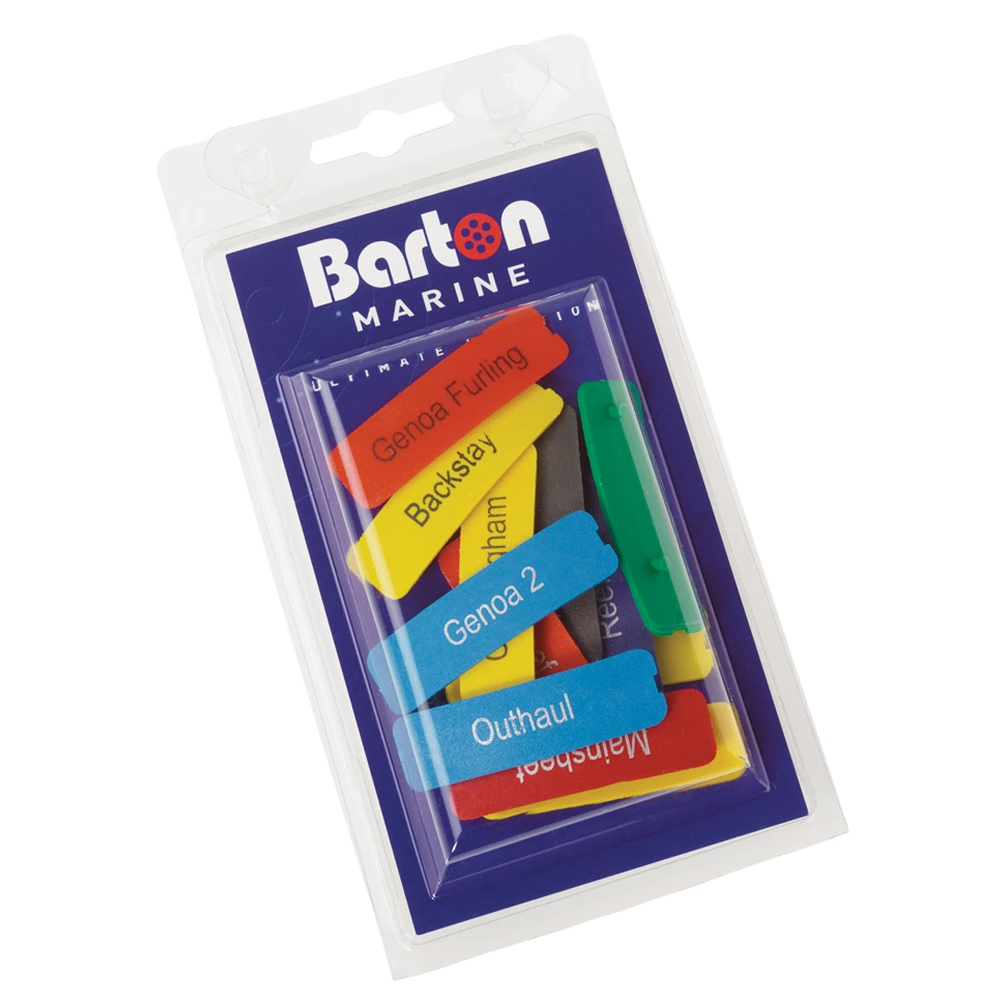
For dependable performance on cruising and offshore boats, the Lewmar DC1 series delivers strong, predictable holding power with a release action that stays smooth and progressive even under load. If you’re upgrading a standard cruising setup and want something reliable without pushing the budget, the Barton Marine clutch range is a solid choice, offering familiar ergonomics and excellent value for everyday coastal sailing.
Matching Line Diameters to Safe Working Loads
To avoid rope slippage or premature cover wear, it is imperative to match your clutch to the exact rope thickness. Clutches are highly size-specific (typically optimised for ranges like 4-8mm, 6-12mm, or 8-14mm). Running a line that is too thin through a high-load clutch will cause slipping, while forcing a thick rope through a small clutch prevents smooth line release.