

Whether it's a 4 metre RIB or 60 foot open water sailing yacht, boats of all shapes and sizes have a broad range of electrical fittings on them. Here you'll find all you'll need from Navigation Lights to TV Antennas, 12v Plug Sockets to Battery Chargers, Shore power lines and fittings to Solar Panels and Wind Generators.


Popular products in Electrical Systems & Accessories

Catalogue Code: M100020
£12.95
Available In-store to call & collect
Available to buy online

Catalogue Code: M890071
£13.95
Save
£3.00 RRP
£16.95
Available In-store to call & collect
Available to buy online

Catalogue Code: 110126
£2.95
Available In-store to call & collect
Available to buy online

Catalogue Code: 110257
£11.95
Save
£7.00 RRP
£18.95
Available In-store to call & collect
Available to buy online
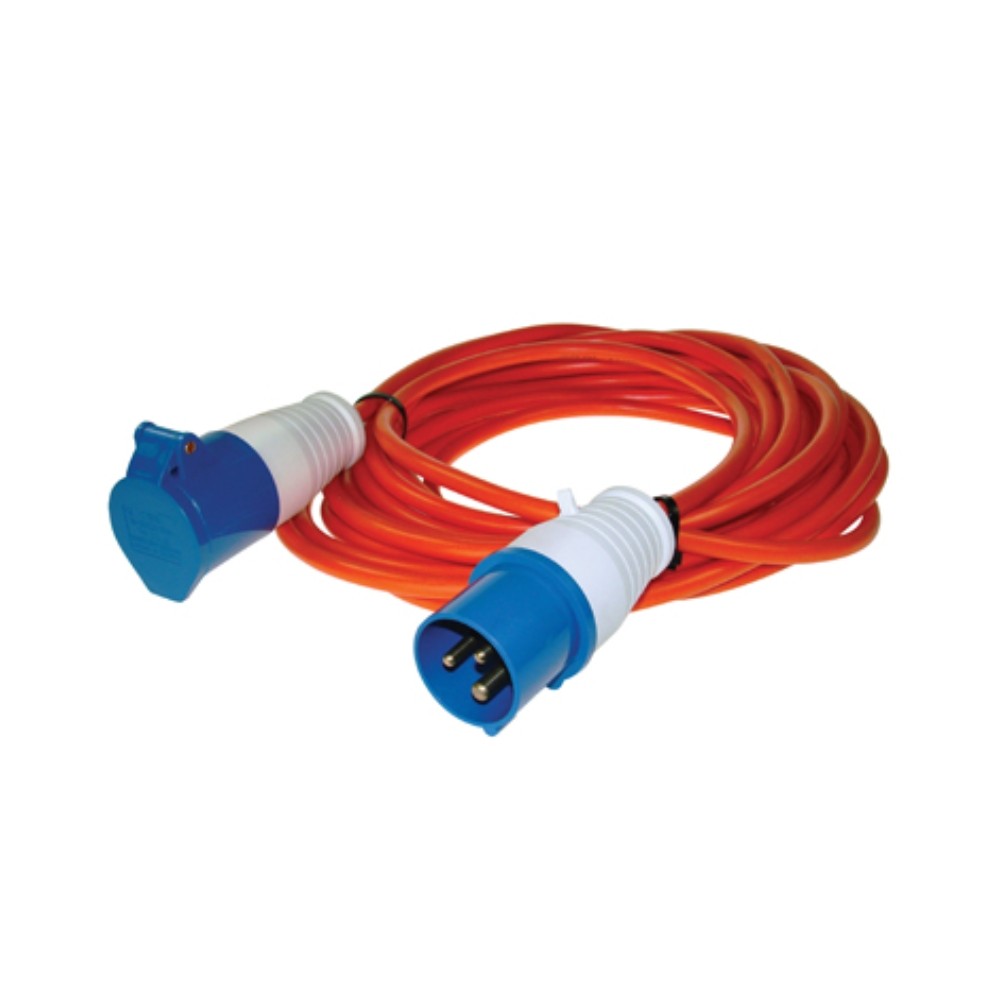
Catalogue Code: M150027
£26.95
Save
£7.94 RRP
£34.89
Available In-store to call & collect
Available to buy online

Catalogue Code: 170009
£17.95
Available In-store to call & collect
Available to buy online

Catalogue Code: M100946
£16.95
Available In-store to call & collect
Available to buy online

Catalogue Code: 100945
£24.95
Save
£5.00 RRP
£29.95
Available In-store to call & collect
Available to buy online

Catalogue Code: M170018
£21.95
Available In-store to call & collect
Available to buy online

Catalogue Code: M100822
£49.95
Save
£4.00 RRP
£53.95
Available In-store to call & collect
Available to buy online

Catalogue Code: M170013
£8.95
Save
£1.00 RRP
£9.95
Available In-store to call & collect
Available to buy online

Catalogue Code: 120114
£139.95
Available In-store to call & collect
Available to buy online

Catalogue Code: 110006
£9.95
Save
£5.00 RRP
£14.95
Available In-store to call & collect
Available to buy online

Catalogue Code: M110010
£26.95
Available In-store to call & collect
Available to buy online

Catalogue Code: 110332
£44.95
Available In-store to call & collect
Available to buy online

Catalogue Code: M160019
£5.95
Available In-store to call & collect
Available to buy online
Marine Electrical FAQ
What products are included in the Marine Electrical department?
This department covers every electrical component required to run, charge, monitor, and protect your onboard systems.
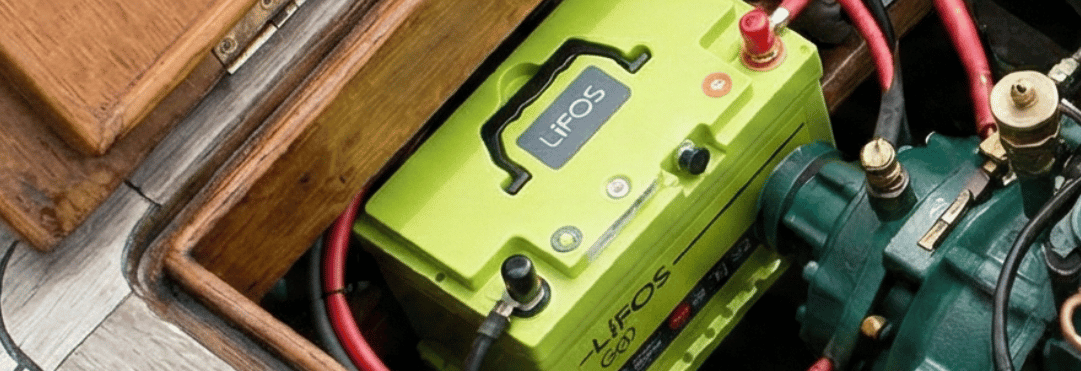
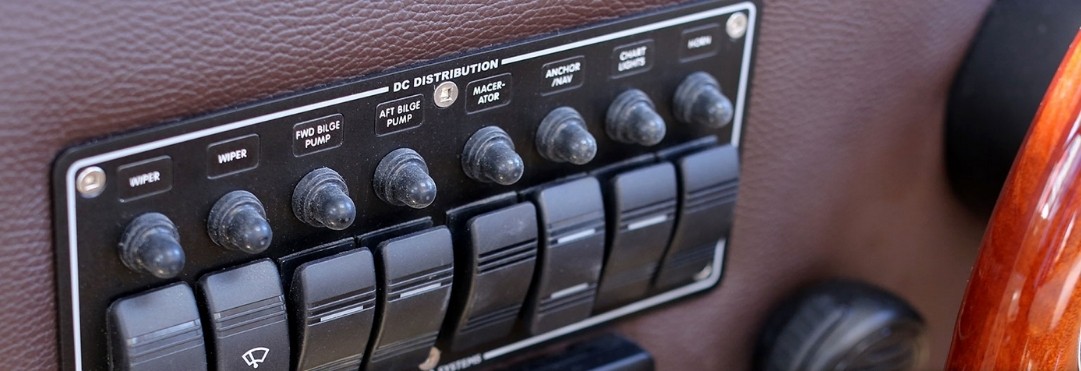
Power starts with Batteries and Battery Equipment, including leisure and starter batteries, Battery Boxes, Terminals and Battery Isolation Switches. From there, electricity is managed through Switch Panels, Fuses & Circuit Breakers, and Wiring Accessories. All helping protect your systems and keep installations tidy and reliable.
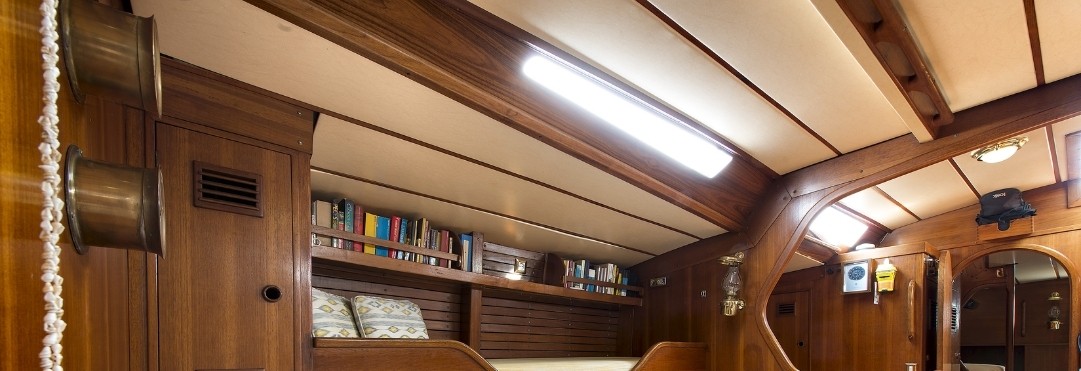
We stock a wide range of Marine Lighting, from Navigation Lights and Bulbs (both LED and traditional) to Interior, Exterior and deck lighting. You can also shop for hand held Torches, Headtorches and Searchlights.
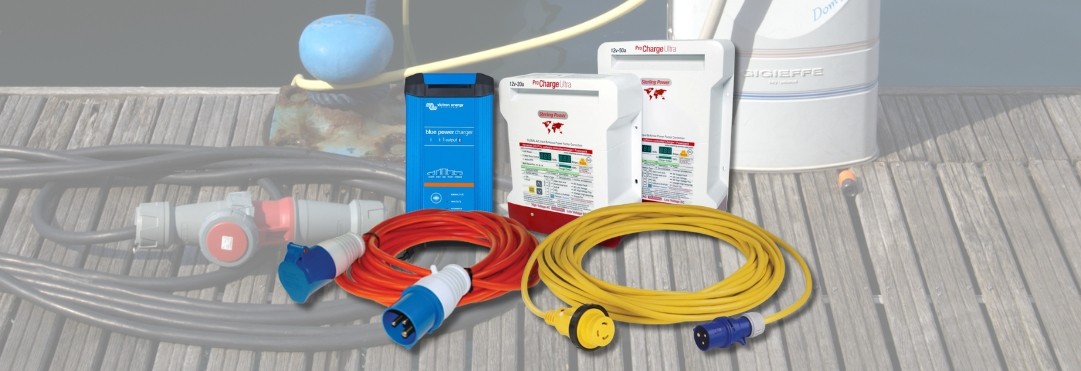
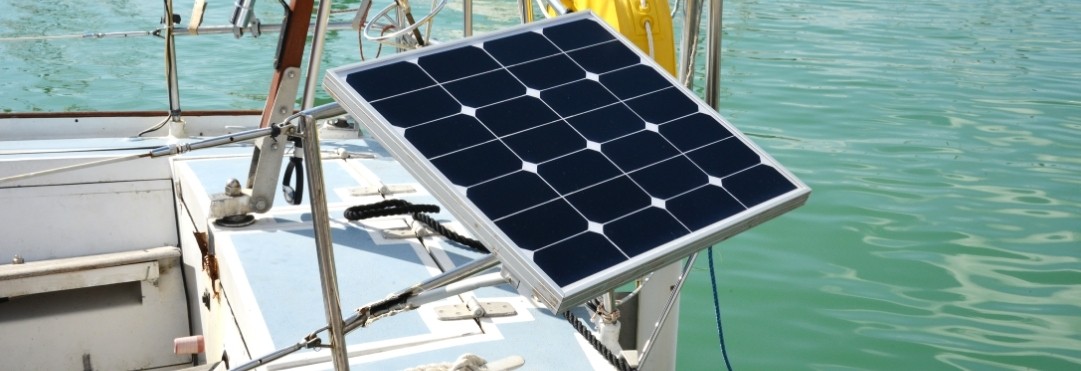
For charging and power conversion, you’ll find Battery Chargers & Voltage Regulators, Inverters and Shore Power Equipment. You can also find Solar Panels and Wind Chargers for off-grid energy generation.
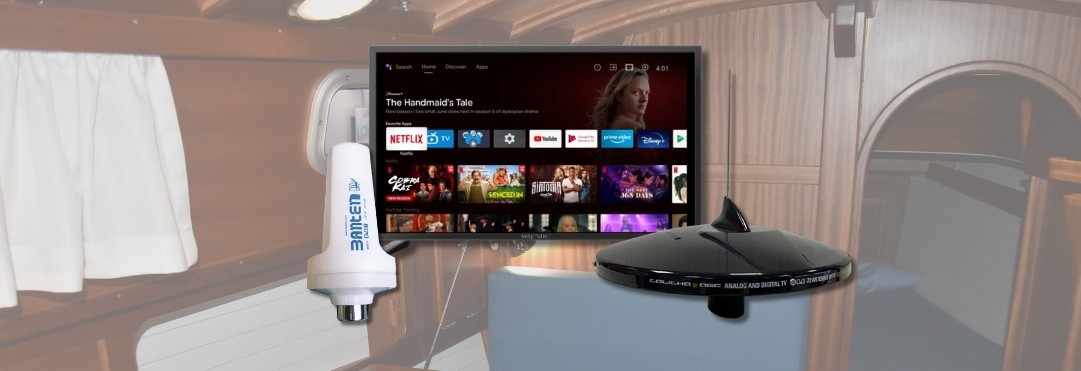
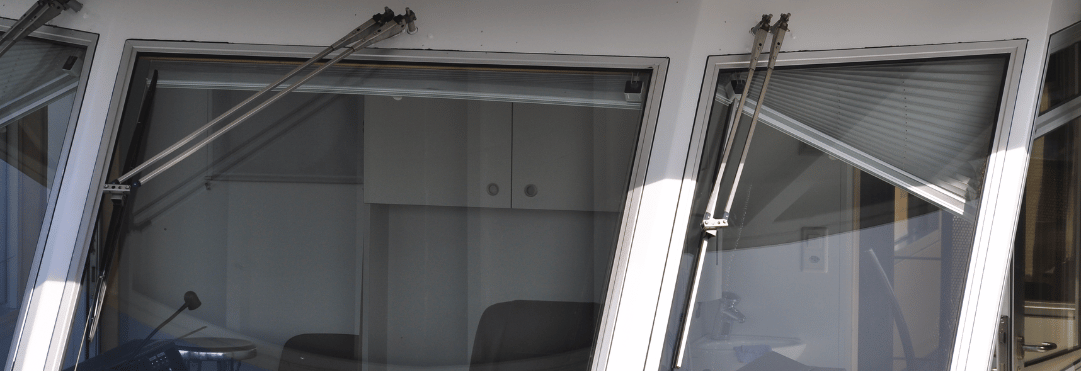
The department also includes everyday electrical essentials such as Plugs, Sockets, Deck Glands, and USB chargers. Specialist items like Windscreen Wipers, Washer Systems, TVs and Antennas.
All products are selected for marine use — designed to cope with vibration, moisture and corrosion that standard electrical components simply aren’t built for.
How do I choose the right navigation lights for my boat?
Choosing navigation lights isn't just about style; it's about legal visibility. The requirements change based on your boat's length. Generally, the smaller the boat, the fewer lights you may need, but as length increases, the "arc of visibility" and the distance the light must carry (in nautical miles) become stricter.
- Vessels under 7 metres: If you can’t travel faster than 7 knots (like a small dinghy), you can technically get away with an all-around white light. However, for safety, most sailors opt for port, starboard, and stern lights.
- Vessels under 12 metres: You can use a bi-colour light (combined Red/Green) on the bow and a white stern light, or a combination of sidelights and a steaming light (masthead light) if under motor.
- Vessels 12 to 20 metres: Requirements become more rigid. You must have separate sidelights (not a bi-colour unit), a masthead light with a 2-mile visibility range, and a stern light.
- Sailing vs. Motoring: Remember, if you are under engine—even with sails up—you are a power-driven vessel and must show a steaming light. When under sail alone, the steaming light must be off.
| Boat Type / Length | Required Lights | Visibility / Notes |
|---|---|---|
| Powerboat <7m (23 ft) | All-round white light or combined masthead & sidelights | Smaller, simpler lights; LED recommended for low power draw |
| Powerboat 7–12m (23–39 ft) | Masthead, sidelights (port & starboard), stern light | Lights must meet minimum visibility distances (2–3 NM depending on size) |
| Powerboat >12m (39 ft) | Masthead, sidelights, stern, towing light (if applicable) | Additional requirements for visibility and separation of lights |
| Sailboat <7m | Red/green sidelights, white stern light | Optional all-round white for anchored/offshore use |
| Sailboat 7–12m | Masthead, sidelights, stern | Visibility distances increase; consider LED upgrades for efficiency |
| Sailboat >12m | Masthead, sidelights, stern, additional tri-colour or towing lights if needed | Must comply with COLREG visibility angles and ranges |
Key Tips:
- LED vs bulb: LEDs last longer, draw less power, ideal for cruising. Bulbs still useful for cost-conscious replacements.
- Mounting & IP rating: Flush-mount or surface-mount, water-tight (IP67+) for exposed decks.
- Check regulations: COLREGs or local coastal laws define light angles, colour, and visibility distance.
What’s the difference between an inverter and a battery charger?
A battery charger converts shore power or generator power into a controlled charge for your batteries.
An inverter does the opposite: it converts your 12V DC battery power into 230V AC so you can run household appliances onboard.
Can I switch my old navigation lights to LED?
Yes, and it is one of the most effective upgrades you can make. LED navigation lights draw significantly less current than traditional halogen bulbs—often up to 90% less—which is vital for preserving battery life during night passages.
You can either replace the entire unit with LED Navigation Lights or, in many cases, simply swap the bulbs. Ensure any LED Replacement Bulbs are the correct colour and "coolness" to maintain the legal visibility requirements for your light housings.
Do I need solar panels or a wind turbine for my boat?
Both provide renewable charging, ideal for keeping batteries topped up when moored or at anchor. Solar panels are silent and low‑maintenance, while wind turbines generate power day and night when conditions allow. Many sailors use a mix of both to maintain a steady charge and reduce reliance on engine‑driven alternators.
How do I protect my boat’s electrical system?
Use correctly rated Fuses, Circuit Breakers and Busbars. Try to ensure all wiring is marine‑grade tinned copper, and keep connections clean and corrosion‑free.
A well‑designed Switch Panel and a Battery Monitoring System help you track usage, voltage, and charging performance. All of this helps in reducing the risk of faults and extending battery life.