Antifouling Paint for Yachts & Powerboats
Hard Antifoul | Self Eroding Antifouling | Propeller & Stern Gear | Spray Antifouling | Inflatable Boat Antifouling | Thinners | Antifoul Primers
What is antifouling paint?
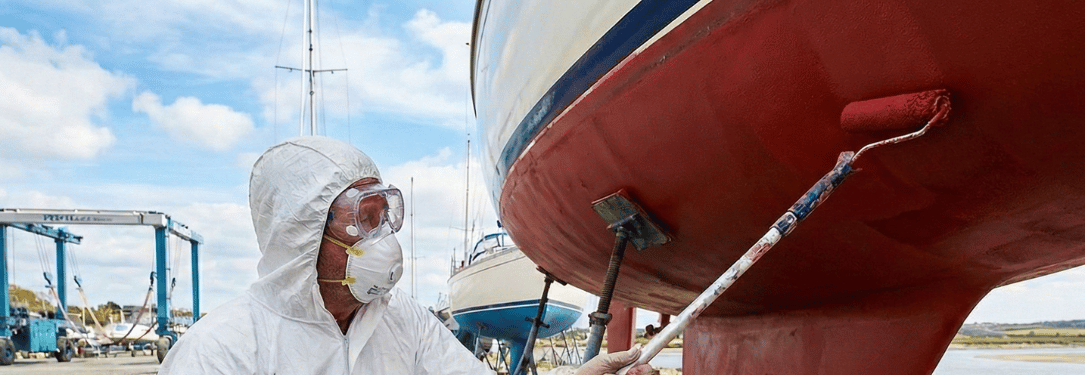
Antifouling is a special paint designed to protect the hull from fouling up with algae and other marine growths.
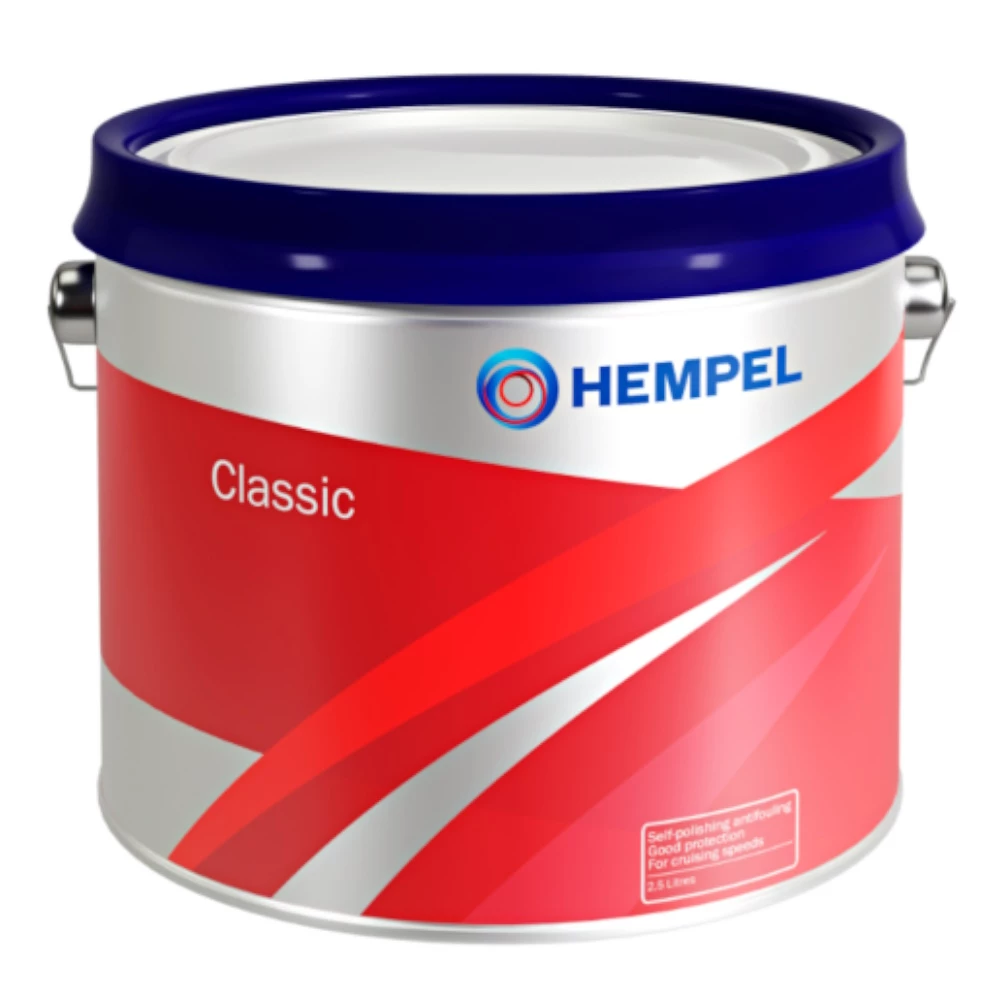
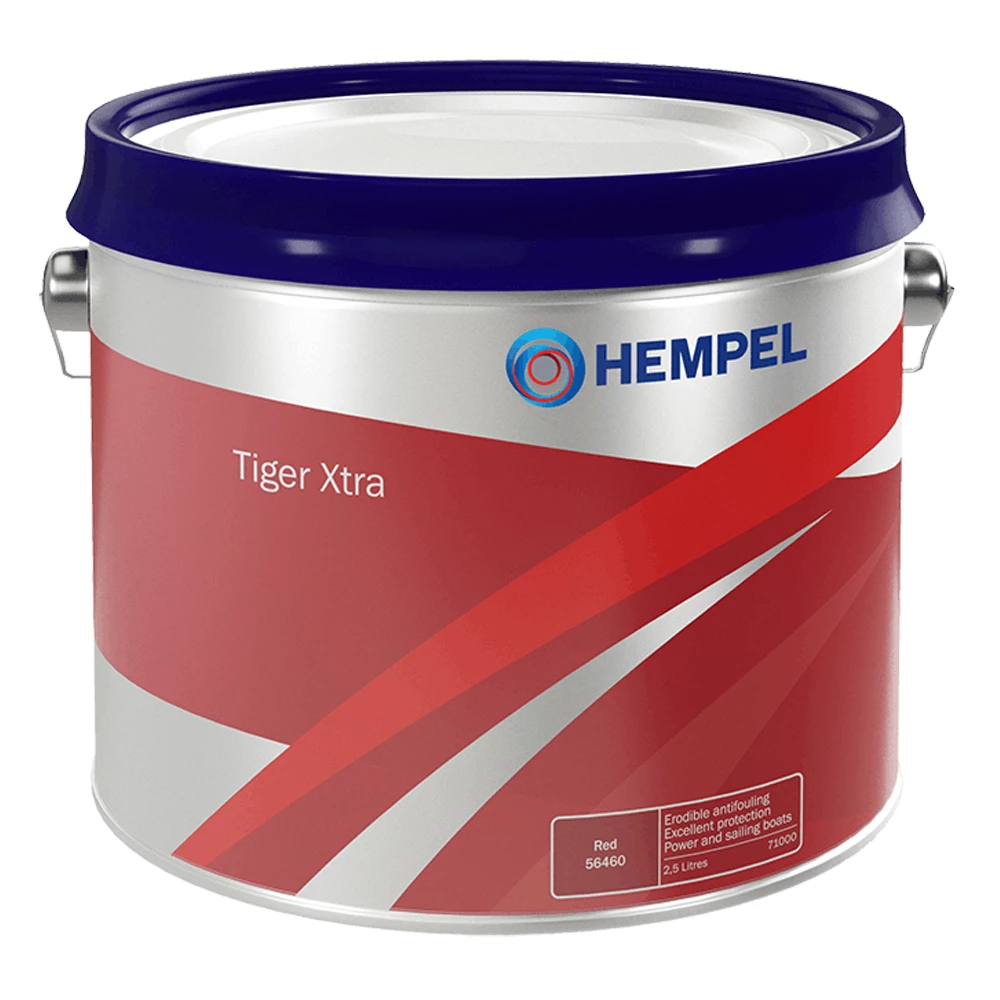
Self polishing / Erodible Antifouling
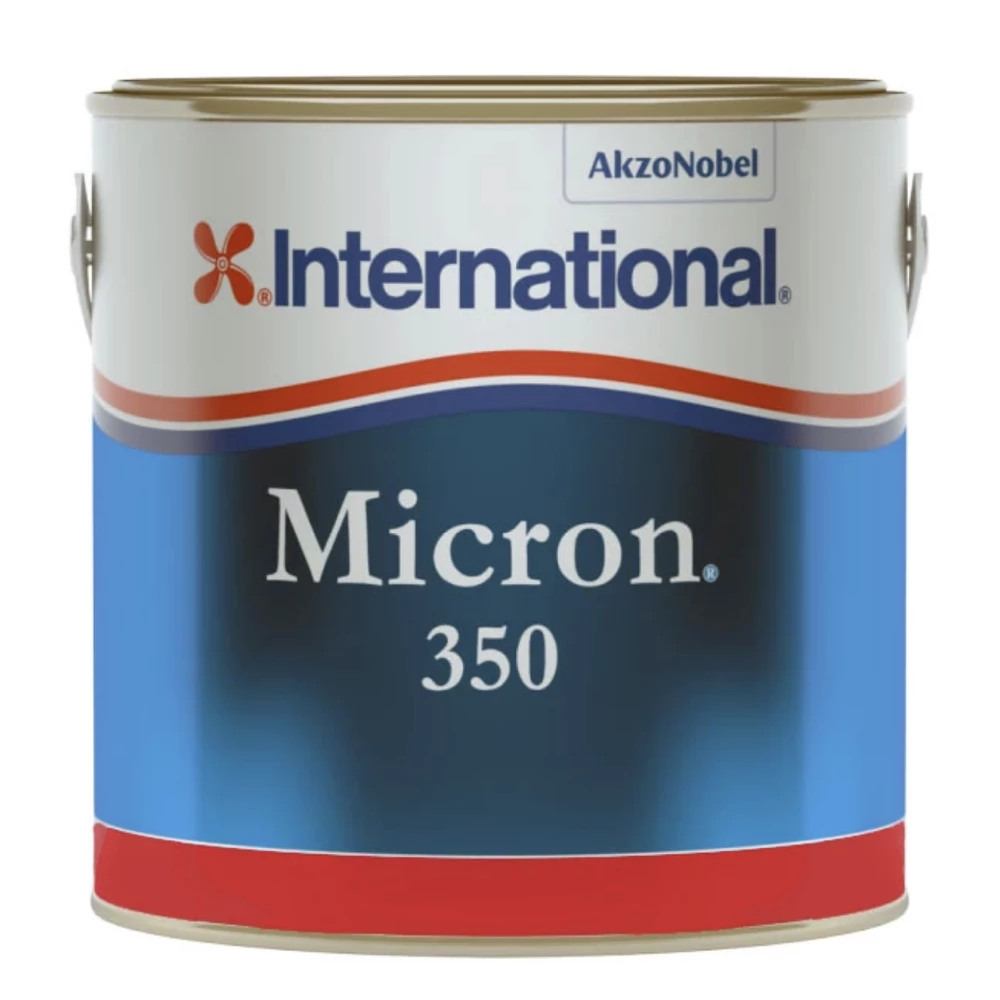
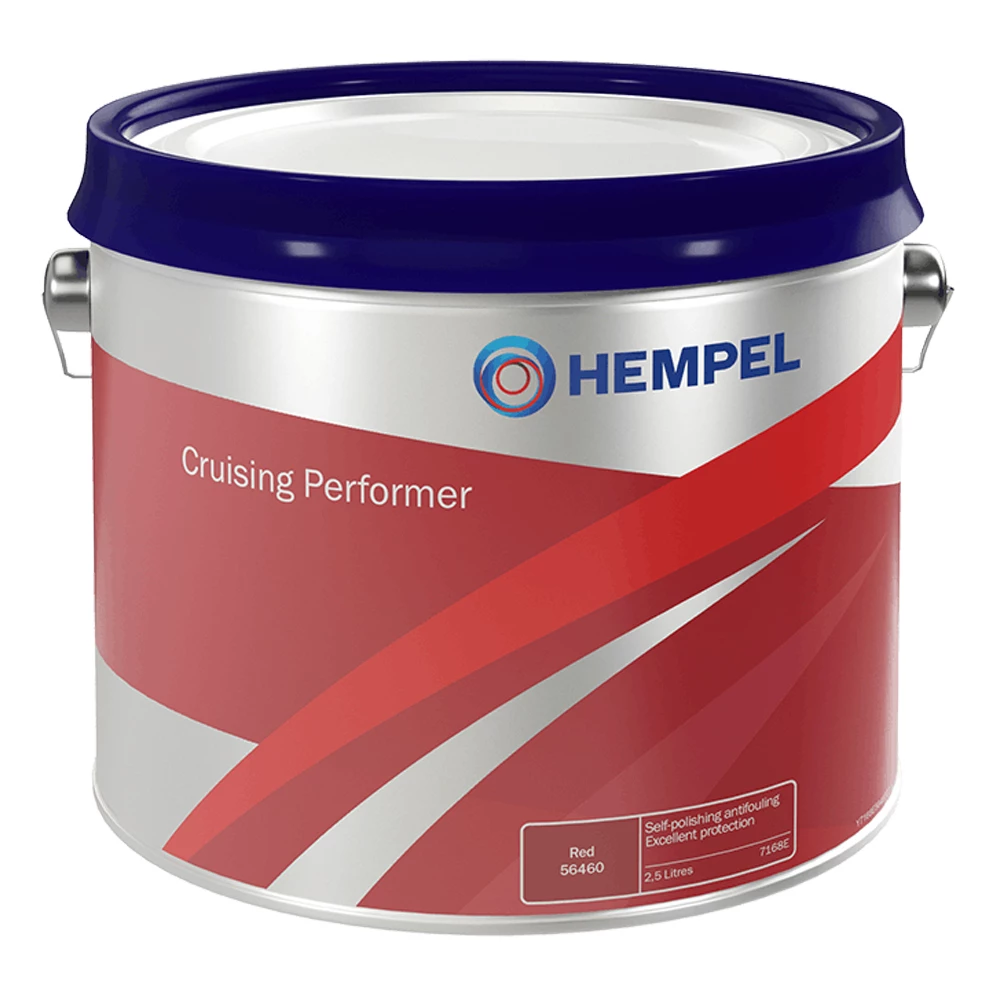
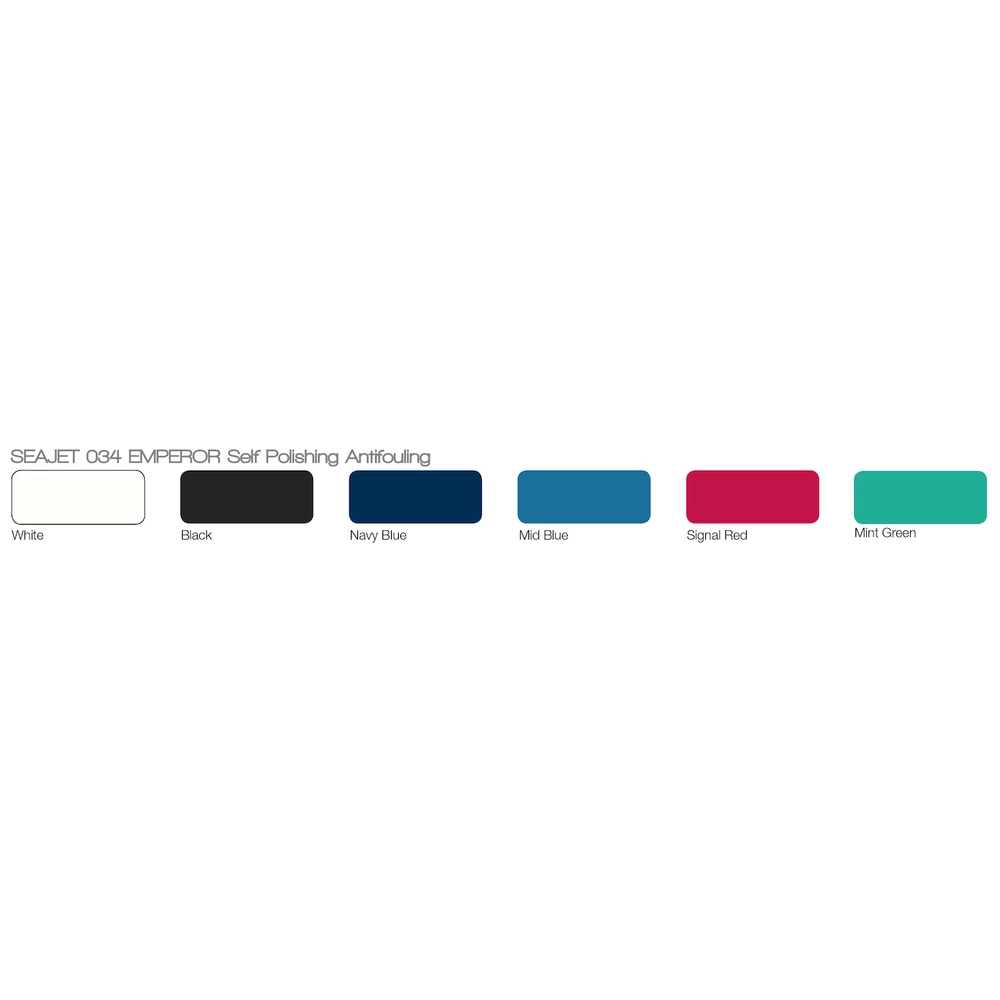
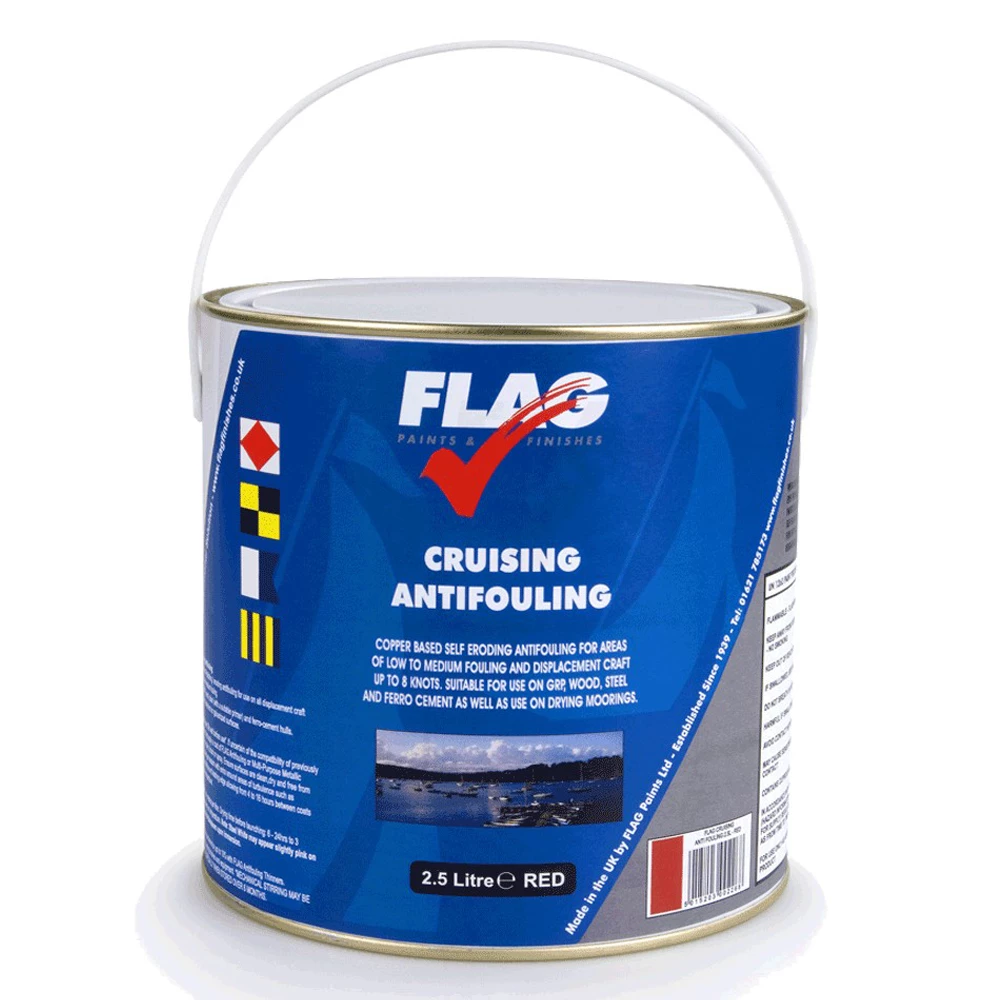
A resin of active ingredients (biocides) repels / discourages fouling. Once in the water, the resin breaks down in a controlled way, continually exposing fresh biocide layers. This gives constant performance throughout the season, and reduces build-up of old antifouling.
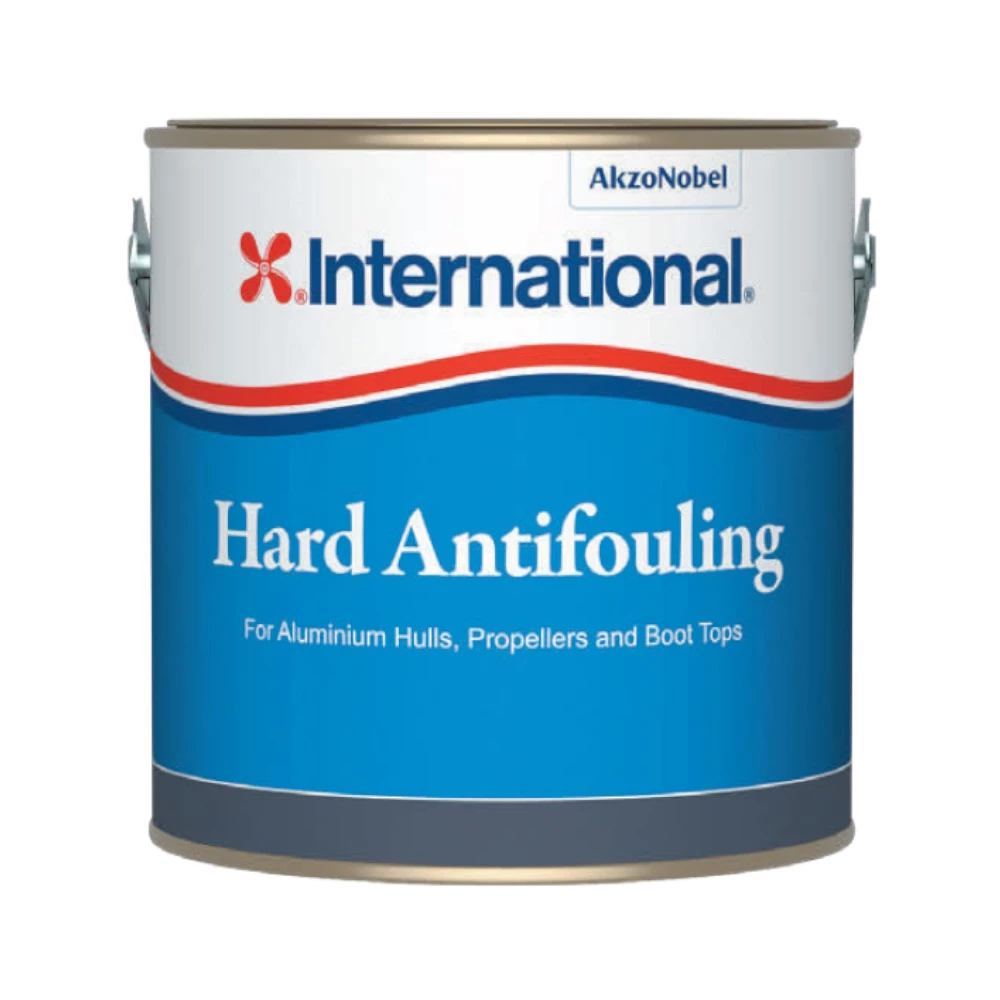
Hard Antifouling
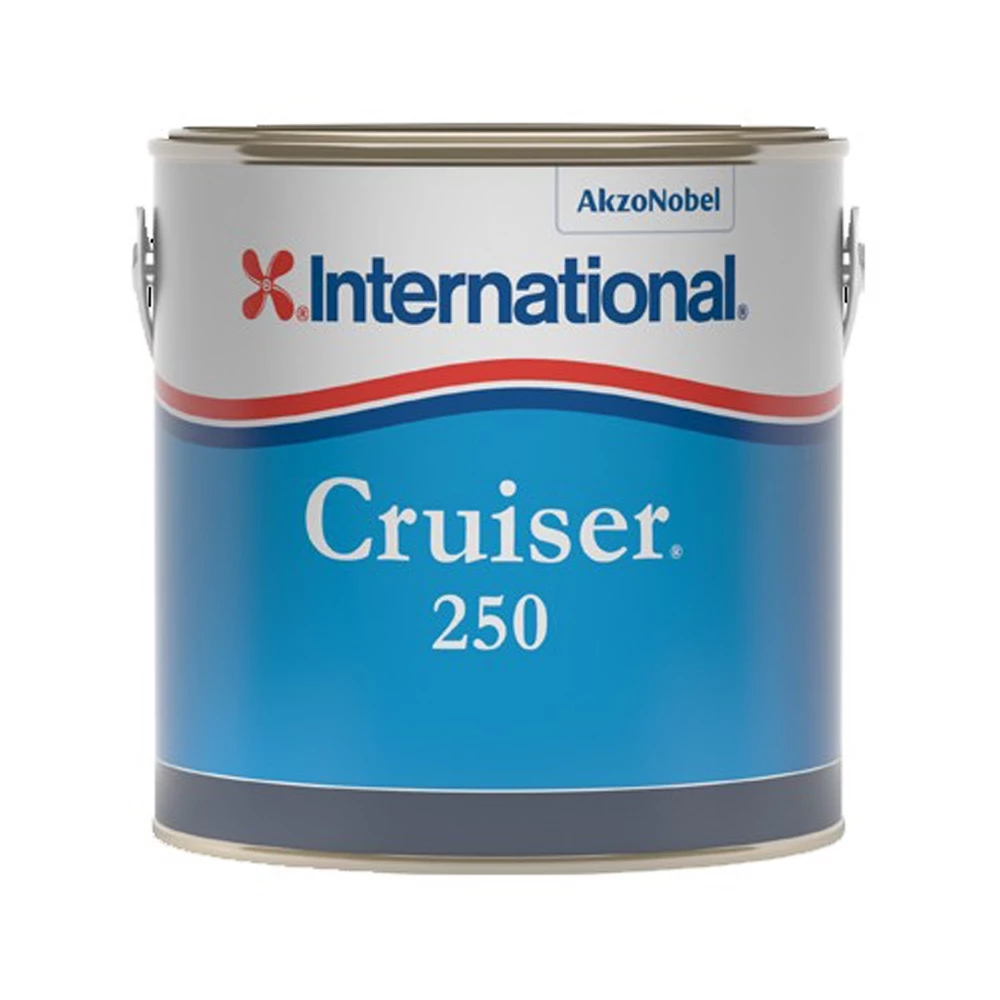
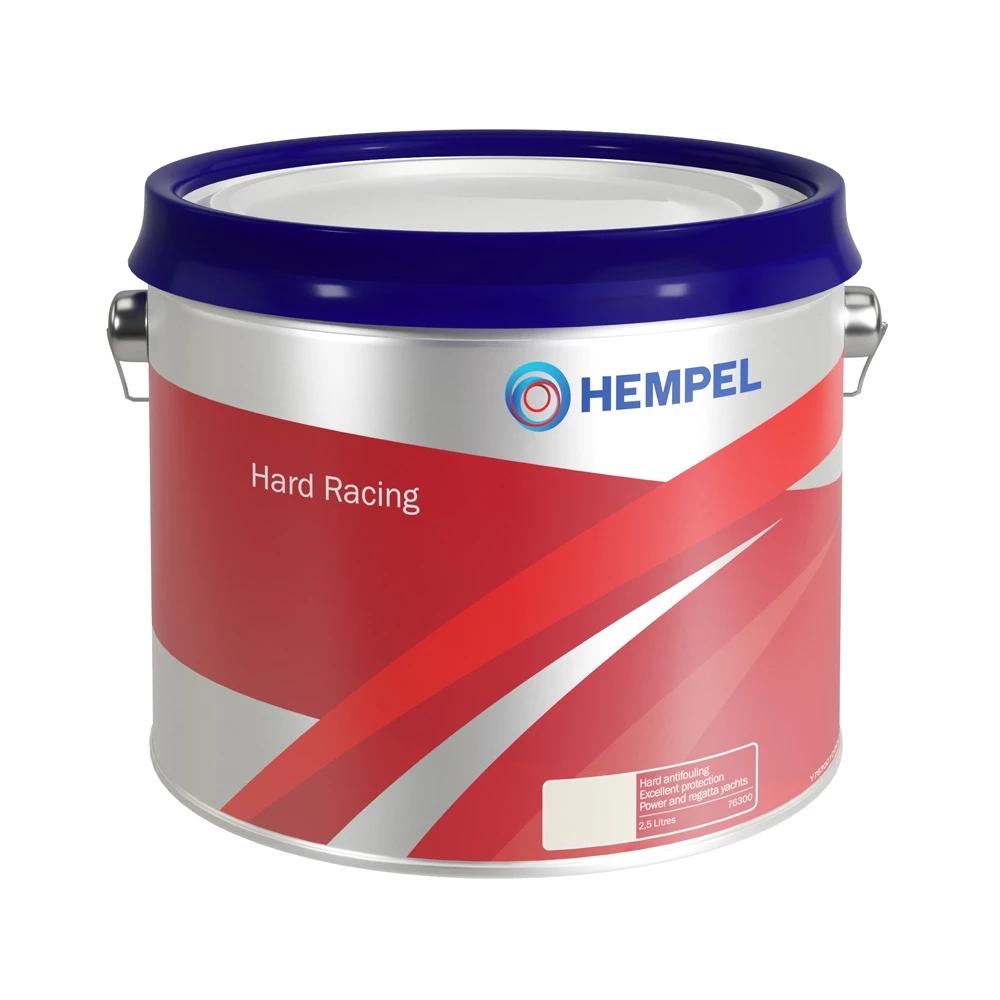
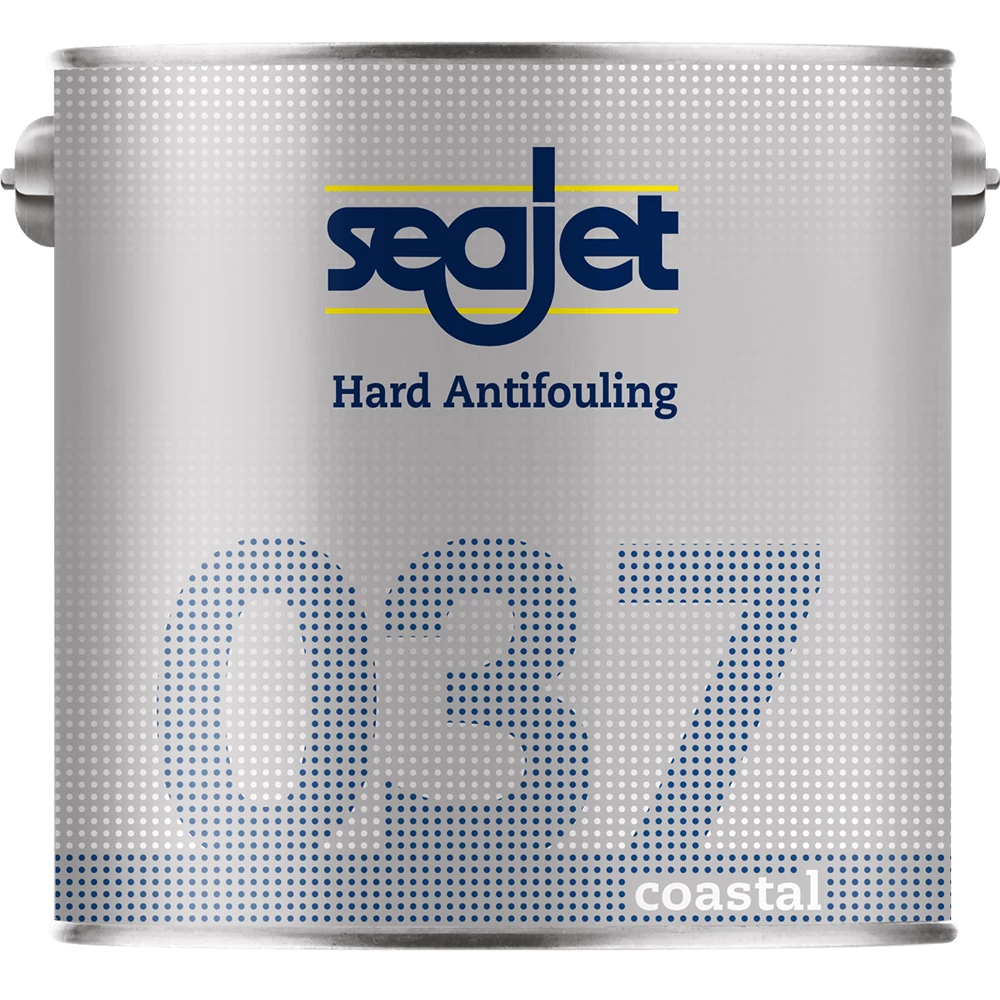
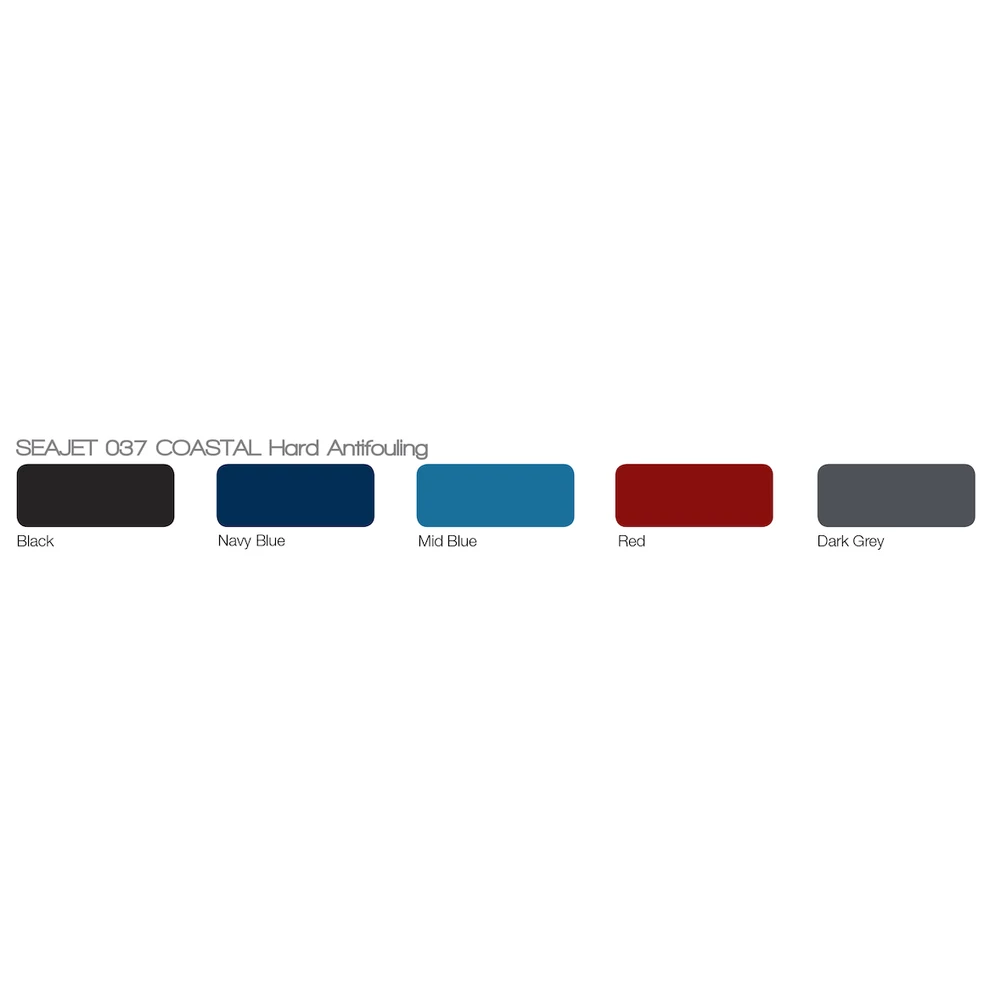
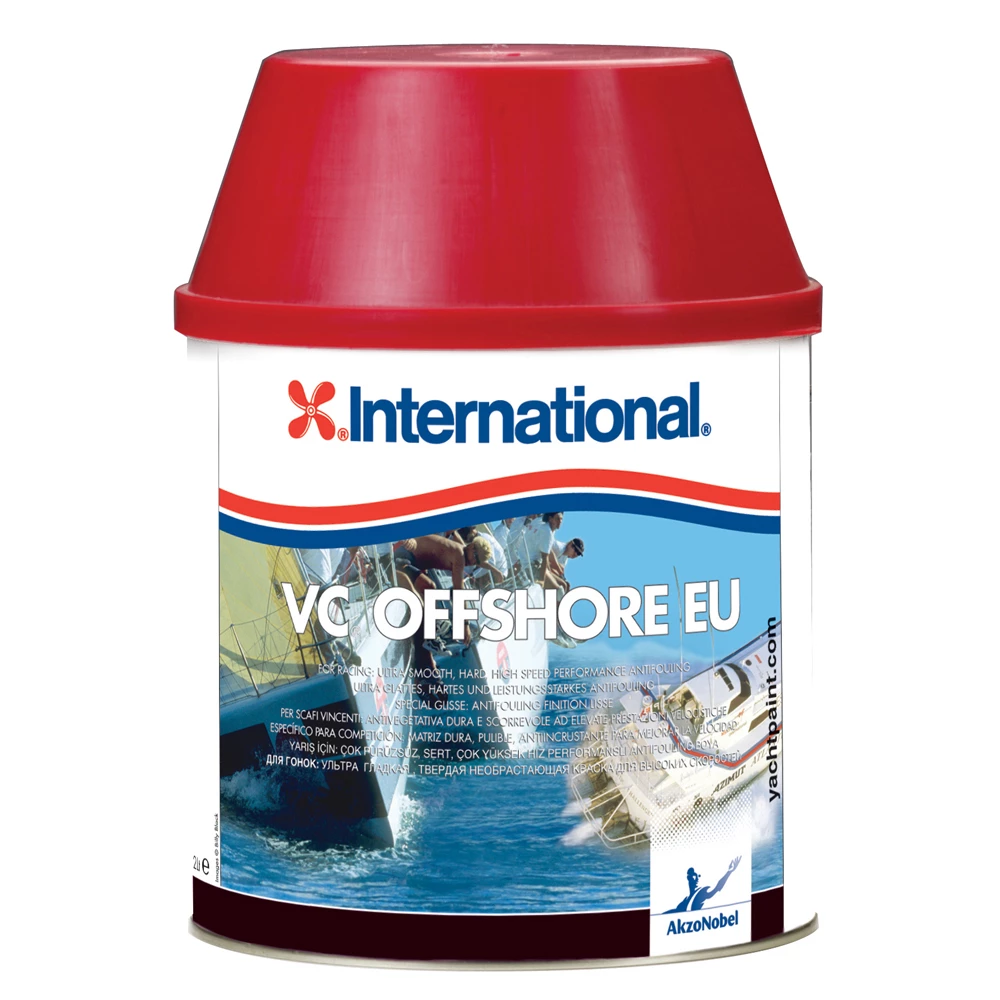
The coat's high levels of insoluble resin make it hard and stop erosion. The resin is packed with active ingredients (biocides). These slowly leach out of the hard layer thus discouraging marine growth. Hardness and durability makes these anti foulings ideal for fast power boats, mud-berthed vessels and racing yachts (burnishing the antifouling with wet abrasive paper before launch gives a smooth finish).
Traditional / Soft Antifouling
A simple resin (gum rosin or rosin derivatives) disperses active ingredients with the binder. Water soluble, it progressively dissolves / erodes, giving low cost protection.
Force 4 Guide: Simple guide to antifouling paints
Force 4 Video: How to Antifoul your Boat - from preparation to top coat